
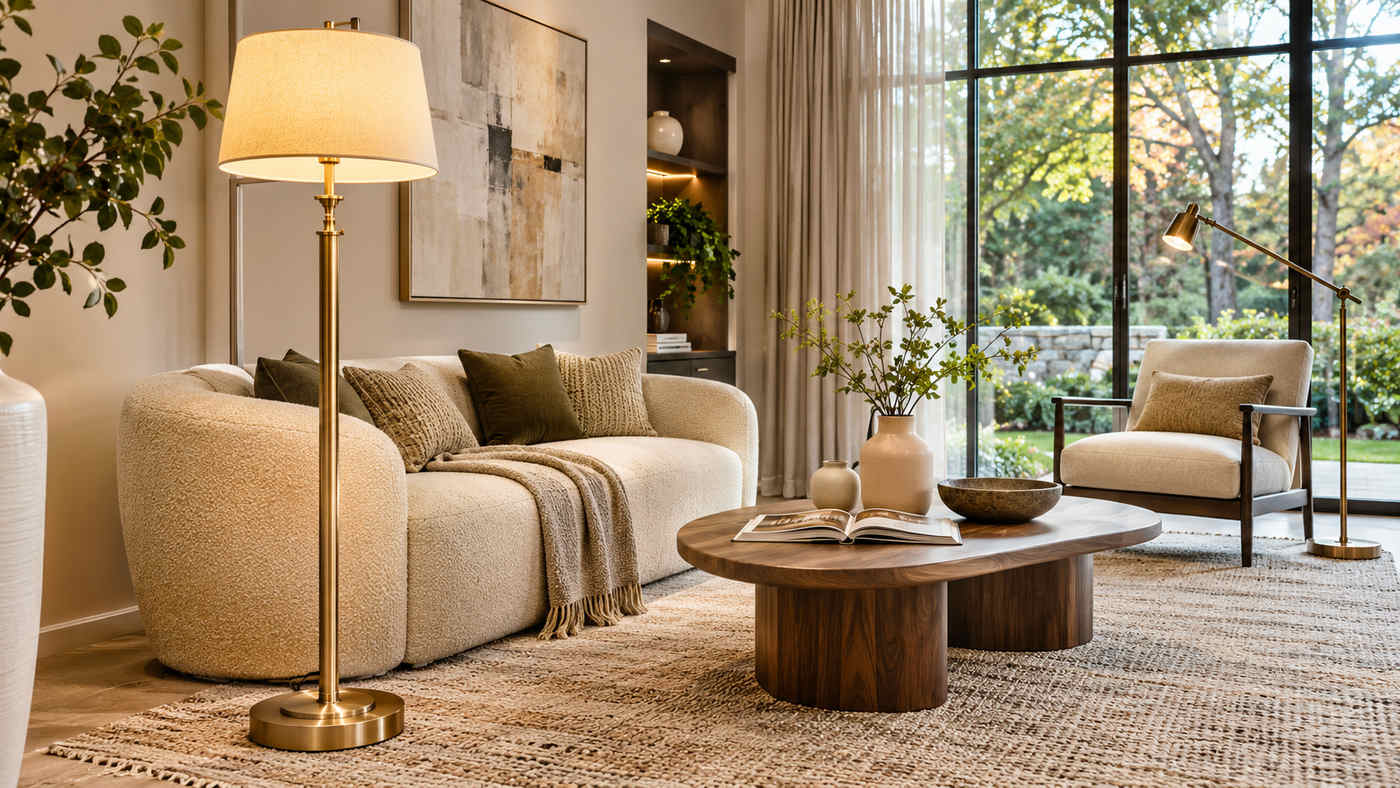
A standing lamp can change how a room looks, feels, and functions without requiring major renovations or permanent electrical work. Also called a floor lamp, this movable lighting fixture can brighten a dark corner, make a reading chair more useful, or add a welcoming glow beside a sofa. But attractive styling is only part of a successful purchase. Brightness, beam direction, stability, bulb compatibility, and placement determine whether a lamp will work well after it arrives. This guide explains seven practical considerations for selecting floor lighting that complements your furniture, supports everyday activities, and fits your budget.
What Is a Standing Lamp and When Should You Use One?
A standing lamp is a freestanding light fixture designed to sit on the floor rather than a table, wall, or ceiling. Most models include a base, upright support, shade or light head, and a cord or other approved power supply. Designs range from traditional shaded lamps to curved architectural pieces with integrated LED lighting.
Floor lighting is especially useful where overhead fixtures create shadows or where installing new wiring would be inconvenient. It can supply ambient illumination, direct light onto a specific activity, or draw attention to an attractive part of the room.
The Three Main Lighting Functions
Ambient lighting supports general visibility throughout a space. Task lighting directs illumination toward reading, crafts, or office work. Accent lighting emphasizes a wall, plant, or decorative feature. Some standing lamp designs serve one function, while adjustable models can cover more than one.
Why Layered Lighting Works
A room typically feels more adaptable when lighting comes from several positions rather than one bright ceiling fixture. Combining ceiling lights, floor lights, and smaller lamps lets you adjust the atmosphere for conversation, cleaning, reading, or relaxation.
1. Decide What Your Lamp Needs to Accomplish
Before browsing designs, identify the main problem your new lamp should solve. A statement piece is not necessarily suitable for reading, and a strong work light may feel uncomfortable when pointed toward a television.
Choose Ambient Lighting for General Comfort
If a room feels dim after sunset, look for a model that distributes light broadly. A shaded lamp may send light through and around its shade, while an uplighter directs most illumination toward the ceiling. Ceiling and wall colors affect how much of that light returns into the room.
An ambient standing lamp can work well near the end of a sofa or in an underused corner. It should complement existing fixtures rather than compete with them.
Use Adjustable Lighting for Focused Activities
Readers and people doing needlework often benefit from an adjustable head that directs light onto a book or work surface. A movable arm is particularly useful when several people of different heights share the same chair.
Check how easily the lamp adjusts and whether it holds its position without drifting. Consider where the switch sits when you are seated.
Think About the Mood You Want
Warm, diffused light often makes bedrooms and lounges feel inviting. More neutral light may be appropriate for a desk or a detailed task. Mood also depends on reflections, shade material, wall color, and how exposed the bulb is.
Make Your Shopping Goal Specific
Instead of searching only for attractive lighting, determine whether you need to brighten a room, improve visibility for a task, or complete a decorative arrangement. A clear goal helps you compare relevant specifications.
2. Compare Popular Standing Lamp Designs
Traditional Shaded Floor Lamps
A classic upright base with a fabric or glass shade suits many living rooms and bedrooms. Its familiar silhouette works with contemporary, transitional, and traditional furniture.
Shade opacity changes the effect. A translucent linen shade can spread light softly, while an opaque shade may direct more light above and below. Always check how the chosen design distributes light in actual product photographs.
Arc Floor Lamps
Arc designs use a curved arm to extend a light source over a sofa, table, or seating area. They create a strong visual statement and can position light where there is no room for a table lamp.
Because the arm reaches outward, measure the overhead clearance and footprint carefully. The base needs enough weight and stability to support the design.
Tripod and Sculptural Lamps
Tripod models introduce architectural interest through three visible legs. Sculptural forms can function as decorative objects even when switched off.
However, outward spreading legs may occupy more floor space than a slim central pole. A striking standing lamp should not become an obstacle beside a doorway or busy walkway.
Torchiere and Uplighter Models
An uplighter directs much of its output upward. Reflected light can create gentle general illumination, especially under a light colored ceiling.
Consider Ceiling Height and Finish
Tall ceilings, dark paint, or unusual ceiling shapes can change the amount of useful light reaching the room. Review manufacturer beam information rather than assuming an uplighter will illuminate every space equally.
Reading and Multihead Lamps
Reading lamps focus light onto a particular position. Multihead versions can provide separate sources for general lighting and a task. They may be useful where a sofa, desk, and chair share a compact room.
3. Understand Lumens, Color Temperature, and Light Quality
Shop by Lumens Rather Than Wattage
Lumens describe the amount of visible light a source emits. Watts describe the electricity it uses. These are different measurements, especially when comparing efficient LEDs with older incandescent bulbs.
For context, a typical 800 lumen LED replacement is commonly compared with the light output of a traditional 60 watt incandescent bulb. A 450 lumen bulb provides less total light, while a 1,100 lumen option provides more. These are reference points, not universal requirements for every room.
The amount of useful light reaching a book or workspace also depends on lamp distance, direction, and shade design.
Choose a Suitable Color Temperature
Color temperature is expressed in kelvins. Lower values such as 2700K to 3000K produce a warmer white appearance. Around 3500K to 4000K tends to look more neutral and may suit some workspaces.
Higher values can appear cooler. No single color temperature is correct for every household, and personal preferences matter.
Match Light Appearance Across a Room
Several adjacent light sources with noticeably different white tones can look visually inconsistent. Selecting similar temperatures for general lighting often creates a calmer appearance, while a separate task lamp can have its own practical setting.
Check the Color Rendering Index
Color rendering index, usually abbreviated CRI, describes how faithfully colors appear under a light source compared with a reference. A CRI of at least 80 is generally appropriate for many indoor settings. Products rated 90 or above can be useful where accurate appearance of textiles, artwork, or other colors matters.
CRI does not describe every aspect of light quality, so consider glare, flicker, and beam distribution as well.
Manage Glare and Shadows
A bright exposed bulb near seated eye level can be uncomfortable even when its stated lumen output is modest. Shades, diffusers, and adjustable heads help direct light where it is needed.
When evaluating a standing lamp, imagine the view from your sofa or chair, not only the view from standing height.
4. Plan Placement Around the Room and Furniture
Living Room Placement
Place a shaded lamp beside a sofa or armchair to create a comfortable seating zone. A floor lamp near one end of a sofa can balance another source of light across the room.
Avoid placing the base in the natural path between the seating area and doorway. Check whether the shade blocks a television view or produces distracting reflections on a screen.
Reading Corner Placement
Position the light so that it reaches the page without shining directly into your eyes. An adjustable model allows changes for different seating positions and activities.
The ideal position depends on whether you read from a book, tablet, or magazine and whether another person uses the chair. Test the intended placement when possible.
Bedroom Placement
A standing lamp can make a bedroom corner useful for reading or provide gentle evening illumination without occupying bedside table space.
Choose a stable design that will not interfere with wardrobe doors, drawers, or routes around the bed. A warm dimmable light may suit quiet evening activities.
Small Apartment and Home Office Ideas
In compact rooms, a slender standing lamp can offer useful lighting while preserving tabletop space. A multihead model may serve a reading chair and nearby desk, provided its beam positions work for both.
For office tasks, avoid a light source that reflects directly in a computer monitor. Adjust the lamp position and screen angle together.
5. Evaluate Height, Materials, and Overall Proportions
Measure the Height and Base Footprint
Compare the listed lamp height with the sofa back, armchair, nearby shelving, and ceiling height. A tall design may suit an open living area but feel oversized in a compact bedroom.
Measure the base separately. A narrow pole can still have a broad base, while a tripod requires clearance for each leg.
Before purchasing a standing lamp, mark the proposed footprint on the floor with removable tape and check normal movement around it.
Understand Common Materials
Metal bases can offer a clean contemporary appearance, but their stability depends on design and weight distribution, not metal construction alone. Wood can bring warmth and visual texture. Ceramic, stone, and glass elements may suit more decorative interiors but require careful handling.
A durable finish and well assembled joints matter more than fashionable materials alone.
Choose a Shade With Purpose
Linen and fabric shades can soften light, while certain metal shades direct illumination more tightly. Glass shades vary from frosted to transparent, producing different levels of diffusion.
Balance Scale and Visual Weight
A large shade on a thin base may look elegant in one setting but visually unbalanced in another. Consider the scale of the nearby furniture and whether the lamp should blend into the room or stand out.
6. Compare LED Features, Controls, and Running Costs
Replaceable Bulbs Versus Integrated LEDs
A replaceable bulb makes it easier to change brightness or color temperature later, provided the new bulb meets the fixture’s specifications. Integrated LEDs can enable slim shapes and carefully designed light distribution, but repairing a failed built in light source may be more difficult.
Ask whether replacement light modules or drivers are available, especially for expensive designs.
Understand Dimming Compatibility
Dimming lets you adjust light levels for different occasions. Some floor lamps have an integrated dimmer, while others use replaceable bulbs and external controls.
Not every LED bulb works properly with every dimmer. Verify compatibility to reduce the risk of flicker, limited dimming range, or unwanted behavior.
Consider Smart Lighting Carefully
Smart bulbs or connected lamps may support schedules, app controls, or voice assistants. These can be convenient, but they may also depend on a particular wireless system or software platform.
A simple physical switch may be preferable when several household members need quick access.
Estimate Electricity Use
A 10 watt LED operated for four hours daily uses approximately 14.6 kilowatt hours in a year. Multiply that number by your local electricity rate to estimate the energy charge, excluding other charges and standby consumption.
Use the actual rated wattage for a meaningful comparison. Efficiency is valuable, but a very low power standing lamp is not useful if it cannot provide the amount of light you need.
7. Prioritize Stability, Electrical Safety, and Purchase Value
Check Stability and Household Safety
When choosing a standing lamp, select a base that remains stable during ordinary use and position it on a level surface. A heavy lamp can still tip if its design is poorly balanced or its cord is pulled.
Where children or pets are present, keep lamps away from play areas and choose designs with limited exposed hazards. Place floor lamps behind furniture when appropriate to reduce access and accidental contact.
Review Electrical Certification and Labels
In North America, portable luminaires are commonly evaluated under UL 153 or relevant equivalent requirements. Look for credible certification markings applicable to your market and confirm product details when uncertain.
Check the lamp’s voltage, socket type, bulb wattage limits, and assembly instructions. Use only bulbs approved for the fixture, and check whether enclosed shades require specially rated LED products.
Keep Cords and Hot Components Safe
Route the power cord away from doorways and walking paths. Never run it beneath rugs or in positions where furniture can crush or pinch it.
Keep shades and bulbs away from curtains, bedding, and other combustible materials according to product instructions. Stop using a lamp with damaged wiring, loose connections, overheating, or unusual smells and seek qualified repair or replacement.
Compare Total Ownership Value
Consider the purchase price, build quality, warranty, return policy, replacement bulb or module availability, and expected daily use. An inexpensive lamp that feels unstable or cannot be repaired may offer poor long term value.
Common Mistakes to Avoid When Buying a Standing Lamp
One common mistake is selecting a floor lamp using appearance alone. A dramatic arc design may look perfect in photographs but require more clearance than the room can provide. Another is confusing wattage with brightness or overlooking the direction in which light is distributed.
Buyers sometimes choose a bulb that does not suit the socket, dimming controls, or fixture rating. Others underestimate glare because the product is photographed with the light switched off.
Poor cord placement creates avoidable trip and electrical hazards, while unstable bases can be problematic in busy family rooms. Finally, failing to check whether an integrated LED can be repaired may lead to inconvenient replacement costs later.
A Practical Standing Lamp Buying Checklist
Before you order, measure the intended location and identify the primary lighting function. Then confirm the following:
- Sufficient illumination for ambient or task use
- Suitable light color and comfortable beam direction
- Lamp height, shade width, and base dimensions
- Stable construction and accessible controls
- Compatible bulb, LED module, and dimming system
- Appropriate electrical certification and safe cord routing
- Clear return terms and availability of replacement parts
Frequently Asked Questions
What is the best standing lamp for a living room?
A shaded or uplighting floor lamp can provide comfortable general lighting, while an adjustable reading lamp suits a dedicated chair. Choose based on room size, light direction, and furniture layout.
How bright should a standing lamp be?
Brightness depends on the purpose, shade, placement, and other room lights. Compare lumens rather than wattage and prioritize the amount of useful light reaching the intended area.
Are LED standing lamps energy efficient?
LED lighting generally uses less electricity than older incandescent technology for similar light output. Compare actual product wattage, lumens, and standby consumption when relevant.
Can a standing lamp replace ceiling lighting?
In some small spaces, well positioned floor lamps may provide sufficient practical illumination. Larger rooms or detailed tasks often benefit from several coordinated light sources.
Where should a standing lamp be placed in a bedroom?
Place it near a reading chair or another useful corner, keeping drawers, walking paths, and electrical outlets accessible. Choose comfortable brightness and appropriate stability.
What safety features should a standing lamp have?
Look for a stable base, sound wiring, suitable certification, clear bulb ratings, and safe cord routing. Keep it away from combustible materials and areas where it may be knocked over.
Conclusion
The right standing lamp should provide comfortable light while enhancing the scale, style, and function of your room. Begin by choosing the lighting purpose, then compare design, lumens, color temperature, placement, and controls. Check stability, electrical compatibility, and replacement options before purchasing. With thoughtful selection, a floor lamp can become a versatile and attractive part of your everyday home lighting.
