
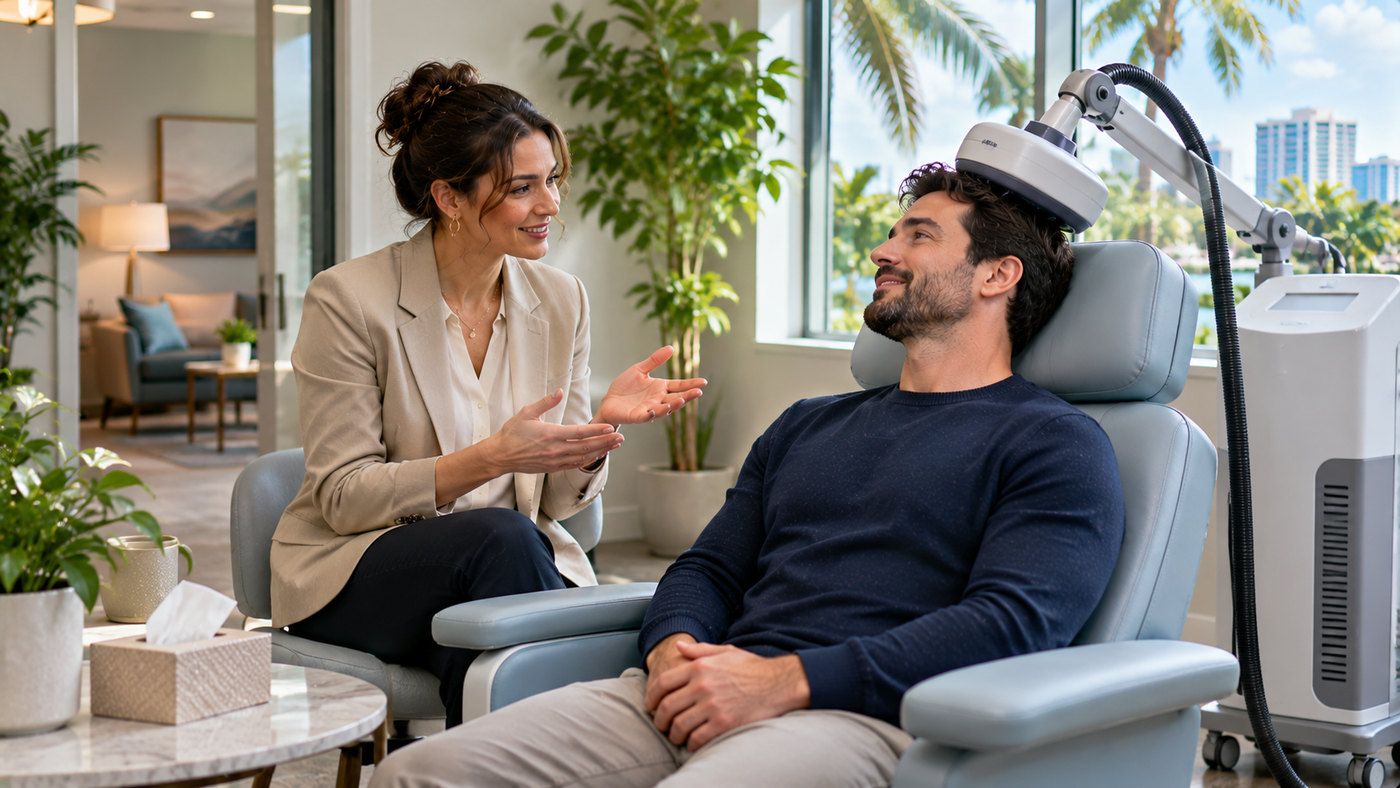
Mental health is an essential part of overall health, influencing how people think, feel, interact with others, and manage everyday responsibilities. Conditions such as depression, anxiety, obsessive-compulsive disorder, and attention-deficit/hyperactivity disorder can affect relationships, education, employment, and quality of life. Although effective treatments are available for many mental health conditions, finding suitable professional support can sometimes feel complicated.
Embracing Life Today is the website of Embracing Life Wellness Center, a Florida-based psychiatric healthcare practice providing mental health evaluations, medication management, and NeuroStar transcranial magnetic stimulation therapy. The practice operates locations in Tampa, Riverview, and the Miami area, with telehealth appointments available for eligible patients.
Founded by board-certified psychiatrist Dr. Melissa Fickey, the practice describes a patient-centered approach that considers individual symptoms, medical history, treatment preferences, and personal circumstances.
For people exploring psychiatric treatment, understanding the available options is an important first step. Traditional approaches such as psychotherapy and medication remain important, while non-invasive brain stimulation treatments may be considered for certain patients whose symptoms have not improved sufficiently with earlier care.
However, no single treatment is appropriate for everyone. A qualified psychiatric evaluation is necessary to determine the most suitable approach.
This comprehensive guide explains seven essential considerations for choosing mental healthcare, how TMS therapy works, the services available at Embracing Life Wellness Center, and practical ways to prepare for professional treatment.
What Is Embracing Life Wellness Center?
Embracing Life Wellness Center is a psychiatric healthcare practice serving communities in Florida.
The organisation provides outpatient mental health services and specialises in psychiatric medication management and transcranial magnetic stimulation, commonly called TMS.
Its official website describes care for adults, children, and adolescents, although specific services and eligibility depend on the patient’s age, condition, and treatment requirements.
A Patient-Centered Approach to Mental Healthcare
Patient-centered treatment involves evaluating the individual rather than applying the same approach to everyone with similar symptoms.
Two people diagnosed with depression, for example, may have different medical histories, treatment experiences, and personal circumstances.
A psychiatric professional considers these factors when developing an appropriate care plan.
The Role of Psychiatric Specialists
Psychiatrists are medical doctors trained to evaluate and treat mental health conditions.
They can assess symptoms, diagnose relevant disorders, prescribe medications when appropriate, and recommend additional treatments.
Some psychiatrists also have specialised training in child and adolescent mental health.
Mental Health Services in Florida
Embracing Life Wellness Center advertises psychiatric services in Tampa, Riverview, and Coral Gables in the greater Miami area.
It also describes virtual appointments for eligible patients.
The availability of a particular provider or treatment should be confirmed directly with the practice.
Why Professional Mental Healthcare Matters
Mental health symptoms can develop gradually or appear following significant life events.
Some difficulties are temporary, while others become persistent enough to interfere with everyday functioning.
Professional assessment can help determine whether symptoms reflect a diagnosable mental health condition, another medical issue, or a combination of factors.
Understanding Symptoms
Common concerns that may lead someone to seek assessment include persistent sadness, excessive worry, difficulty concentrating, changes in sleep, reduced motivation, or recurring unwanted thoughts.
These experiences do not automatically establish a psychiatric diagnosis.
Their duration, severity, and effect on daily activities matter.
The Importance of Accurate Diagnosis
Different mental health conditions can share similar symptoms.
For example, concentration difficulties may occur in ADHD, anxiety, depression, sleep disorders, and other circumstances.
A professional evaluation helps identify possible explanations.
Personalised Treatment Planning
Treatment may involve medication, psychotherapy, lifestyle-related support, or other evidence-based interventions.
Certain patients may also qualify for specialised treatments such as TMS.
The appropriate combination depends on clinical needs.
Monitoring Progress
Mental healthcare often requires follow-up appointments.
A clinician may review symptoms, treatment response, medication tolerance, and changes in functioning.
Care plans can be adjusted when necessary.
7 Essential Considerations for Choosing Mental Health Treatment
Choosing mental healthcare involves understanding the diagnosis, evaluating available options, and developing a realistic plan.
The following seven considerations provide a useful framework for patients and families.
1. Begin With a Comprehensive Psychiatric Evaluation
An accurate assessment is the foundation of appropriate mental health treatment.
A psychiatric evaluation should explore more than one symptom or an isolated difficult day.
Discuss Your Main Concerns
Patients may describe changes in mood, anxiety, sleep, concentration, energy, or everyday functioning.
Specific examples can help clinicians understand the problem.
Review Medical and Treatment History
Some medical conditions and medications can produce symptoms resembling psychiatric disorders.
A clinician may review relevant medical history, current prescriptions, previous diagnoses, and treatment experiences.
Understand Family and Personal History
Relevant family history and major life circumstances can provide useful clinical context.
However, mental health conditions cannot be diagnosed solely from family history.
Evaluate Functional Difficulties
A professional may ask how symptoms affect work, school, relationships, and personal responsibilities.
This helps establish the practical impact of the condition.
Develop an Initial Care Plan
Following the assessment, the clinician may recommend further evaluation, medication, psychotherapy, specialist referral, or another suitable intervention.
The plan should reflect the patient’s circumstances.
Ask Questions
Patients should understand the diagnosis, proposed treatment, possible alternatives, and follow-up arrangements.
A good consultation creates opportunities for informed discussion.
2. Understand Evidence-Based Treatment Options
Mental healthcare includes several established treatments.
The most appropriate approach depends on the condition and individual needs.
Psychiatric Medication
Medications can play an important role in managing certain mental health disorders.
Different drug classes work through different mechanisms.
A psychiatrist can evaluate possible benefits, side effects, interactions, and other prescribing considerations.
Psychotherapy
Psychotherapy involves structured discussions and interventions delivered by appropriately qualified professionals.
Evidence-based approaches may help patients develop coping strategies and address relevant symptoms.
For example, cognitive behavioral therapy is used for several mental health conditions.
Combination Treatment
For some patients, combining medication and psychotherapy may be appropriate.
The decision depends on the diagnosis, symptom severity, treatment history, and preferences.
Specialist Interventions
Some people with persistent symptoms may need additional evaluation for more specialised treatment.
Transcranial magnetic stimulation is one established option for selected conditions and populations.
Avoid Unsupported Treatment Claims
Not every treatment advertised for mental wellness has strong evidence for every condition.
Patients should ask whether an intervention is established, investigational, or used outside its cleared indication.
Review Treatment Expectations
Even evidence-based treatments do not produce identical results for everyone.
A realistic plan includes monitoring, reassessment, and appropriate alternatives.
3. Explore TMS Therapy for Appropriate Conditions
Transcranial magnetic stimulation is a non-invasive procedure that uses magnetic pulses to stimulate targeted brain regions.
It is different from medication and psychotherapy.
How TMS Works
During treatment, an electromagnetic coil is positioned near the scalp.
The device produces magnetic pulses that induce small electrical currents in targeted brain tissue.
These pulses influence neural activity in areas relevant to the condition being treated.
TMS for Major Depressive Disorder
The US Food and Drug Administration has cleared specific TMS devices and protocols for depression-related indications.
TMS is commonly considered when a person has not obtained sufficient improvement from appropriate antidepressant treatment.
Treatment-Resistant Depression
Treatment-resistant depression generally refers to depression that has not improved adequately despite appropriate previous treatment attempts.
The exact criteria can vary between clinical guidelines, research studies, and insurance policies.
TMS for OCD
Certain TMS systems have FDA clearance for obsessive-compulsive disorder under specific indications.
This does not mean every TMS device or protocol is cleared for every OCD patient.
Depression With Anxiety Symptoms
Certain NeuroStar indications include treatment of depressive episodes and reduction of associated anxiety symptoms in adults with major depressive disorder.
That is different from a general FDA clearance to treat every anxiety disorder independently.
TMS for Adolescents
In March 2024, NeuroStar received FDA clearance for adjunctive treatment of major depressive disorder in patients aged 15–21.
Adolescent treatment requires appropriate specialist evaluation and consideration of the specific device indication.
Understand the Limitations
TMS is not automatically suitable for PTSD, bipolar disorder, autism, or every other mental health condition discussed on clinic websites.
Evidence, indications, and clinical suitability differ.
4. Understand the TMS Treatment Process
People considering TMS often want to know what appointments involve and how treatment fits into daily life.
Initial Consultation
A qualified clinician reviews symptoms, prior treatments, medical history, and relevant safety information.
The purpose is to determine whether TMS may be appropriate.
Treatment Planning
The medical team selects the treatment protocol according to the patient’s condition and the device’s approved indications.
Motor Threshold Assessment
For certain TMS protocols, clinicians identify an individual stimulation threshold used to help determine suitable treatment settings.
Treatment Sessions
During a typical session, the patient remains awake while the equipment delivers magnetic pulses.
Anesthesia is generally not required for standard repetitive TMS.
Treatment Frequency
Standard TMS courses often involve appointments on several days each week for multiple weeks.
The National Institute of Mental Health describes common protocols involving five treatment days weekly for approximately four to six weeks.
Specific schedules vary by device and protocol.
Monitoring Progress
Clinicians may review symptoms and treatment tolerability during the course.
Some patients improve substantially, while others experience limited benefit.
Follow-Up Planning
At the end of treatment, patients may need ongoing monitoring and other forms of psychiatric care.
TMS does not eliminate the possibility of future symptoms or the need for follow-up.
5. Review Treatment Safety and Individual Eligibility
Although TMS is generally considered well tolerated when appropriately administered, it has risks and contraindications.
A medical professional must assess these before treatment.
Common Side Effects
Possible effects include scalp discomfort, headaches, facial muscle twitching, dizziness, or temporary discomfort during stimulation.
Many effects are mild and short-lived.
Rare Seizure Risk
Seizures are an uncommon but recognised complication of TMS.
The risk is low when appropriate screening and clinical protocols are followed, but it is not zero.
Metal and Implanted Devices
Certain metallic implants or medical devices can create significant safety concerns.
For example, some implanted conductive or magnetic devices near the head may make treatment inappropriate.
Patients should disclose implants, medical devices, and relevant medical history.
Hearing Protection
TMS equipment can produce repeated clicking sounds.
Appropriate hearing protection may be required during treatment.
Medical Screening
Clinicians may review seizure history, relevant medications, neurological conditions, and other factors affecting treatment safety.
TMS Is Not ECT
Electroconvulsive therapy and transcranial magnetic stimulation are different treatments.
ECT uses controlled electrical stimulation under anesthesia to induce a therapeutic seizure.
Standard TMS uses targeted magnetic pulses and generally does not require anesthesia.
Medical Supervision Matters
TMS should be performed under appropriate clinical supervision using suitable equipment and safety procedures.
6. Review Insurance Coverage and Treatment Costs
Financial planning is an important part of obtaining ongoing mental healthcare.
Insurance coverage varies according to the provider, patient’s policy, diagnosis, and proposed treatment.
Verify Insurance Acceptance
A clinic may accept several insurance companies while participating in only certain plans or networks.
Patients should verify current participation before scheduling.
Understand Prior Authorization
Some insurance policies require approval before particular treatments begin.
This is especially relevant to services such as TMS.
Review Medical Necessity Requirements
Insurers may request documentation of a diagnosis, previous medication trials, and other clinical information.
The exact criteria differ between policies.
Ask About Out-of-Pocket Expenses
Depending on coverage, patients may be responsible for deductibles, copayments, coinsurance, or non-covered services.
Request Cost Information
Patients should ask about the expected costs of consultations, treatment sessions, and any necessary follow-up.
A preliminary estimate is not necessarily a guarantee of final insurance payment.
Confirm Coverage Before Treatment
Embracing Life Wellness Center advertises assistance with insurance verification and authorization.
However, approval, coverage, and patient costs should be confirmed for the specific plan.
7. Establish a Long-Term Mental Wellness Plan
Mental healthcare frequently involves continuing assessment rather than one isolated appointment.
A sustainable plan addresses current symptoms and future needs.
Attend Recommended Follow-Ups
Regular reviews help clinicians evaluate treatment response and possible side effects.
Monitor Changes in Symptoms
Patients may find it useful to describe changes in sleep, energy, concentration, mood, or functioning.
Clinicians can help determine whether those changes are clinically significant.
Maintain Medication Safety
Prescription medications should be taken according to the treating professional’s instructions.
Patients should not stop or change psychiatric medication without appropriate medical guidance.
Consider Supportive Daily Habits
Adequate sleep, appropriate physical activity, social support, and stress management may contribute to overall wellbeing.
These habits are supportive measures, not replacements for necessary treatment.
Involve Trusted Support When Appropriate
Some patients benefit from involving family members or other trusted individuals in their care.
This should be done with appropriate consent and respect for confidentiality.
Prepare for Symptom Recurrence
Some mental health conditions have recurring symptoms.
A follow-up plan can identify when to contact the treating team for reassessment.
Review Progress Over Time
The appropriate treatment plan may change as a person’s circumstances and needs evolve.
Professional care should remain responsive to those changes.
NeuroStar TMS Therapy at Embracing Life Wellness Center
Embracing Life Wellness Center identifies NeuroStar Advanced Therapy as one of its primary treatment offerings.
NeuroStar is a transcranial magnetic stimulation system developed by Neuronetics.
Non-Invasive Treatment
The system uses magnetic stimulation without surgical incisions or implanted electrodes.
Outpatient Appointments
Most conventional sessions are delivered in an outpatient setting.
Patients generally remain awake during treatment.
Depression Treatment
NeuroStar has FDA-cleared indications for selected depressive disorders and patient populations.
Eligibility depends on the current device labeling and clinical assessment.
OCD Treatment
NeuroStar also has a cleared adjunctive indication for adults with OCD.
Adolescent Depression
Its 2024 clearance expanded an adjunctive major depressive disorder indication to ages 15–21.
Individual Results Vary
A cleared indication does not guarantee remission, successful treatment, or a particular recovery timeline.
Patients should discuss likely benefits and uncertainties with their psychiatrist.
Psychiatric Medication Management Services
Medication management is another principal service advertised by Embracing Life Wellness Center.
It involves reviewing medications and monitoring their effects under qualified medical supervision.
Initial Medication Evaluation
A clinician reviews the patient’s diagnosis, previous treatment experience, current prescriptions, and relevant medical history.
Selecting Appropriate Medication
The decision depends on clinical factors and individual circumstances.
Monitoring Benefits
A treatment may need time before its effectiveness can be assessed.
The relevant timeframe varies by medication and diagnosis.
Reviewing Side Effects
Patients should inform their prescriber about concerning symptoms or difficulties tolerating treatment.
Adjusting Care Plans
Medication changes may be considered when treatment is ineffective, poorly tolerated, or no longer appropriate.
Supporting Informed Decisions
Patients should understand the purpose, important risks, and monitoring requirements of prescribed medications.
Mental Health Conditions Addressed by the Practice
Embracing Life Wellness Center lists several conditions within its psychiatric service areas.
The availability of a specific treatment should be distinguished from the practice’s ability to evaluate a condition.
Major Depression
Major depressive disorder can involve persistent low mood, reduced interest, changes in energy, sleep disturbances, and other symptoms.
Treatment may include medication, psychotherapy, or other clinically appropriate approaches.
Generalized Anxiety Disorder
Generalized anxiety disorder involves excessive worry that may affect multiple aspects of everyday life.
Professional evaluation helps distinguish it from temporary stress.
Obsessive-Compulsive Disorder
OCD involves obsessions, compulsions, or both.
Evidence-based treatment commonly includes exposure and response prevention therapy and selected medications.
Certain patients may also be evaluated for adjunctive TMS.
Attention-Deficit/Hyperactivity Disorder
ADHD can affect attention, activity regulation, organisation, and impulse control.
Assessment should consider developmental history and functional impact.
Post-Traumatic Stress Disorder
PTSD may develop after exposure to traumatic events.
Evidence-based trauma-focused psychotherapies are important treatment options.
TMS for PTSD should not be assumed to be an established FDA-cleared indication.
Bipolar Disorder
Bipolar disorders involve episodes of altered mood and energy, potentially including mania, hypomania, or depression.
Accurate diagnosis is important because treatment approaches differ from those for unipolar depression.
Child and Adolescent Mental Health
Young people may experience mental health symptoms that affect school, family relationships, and development.
Assessment and treatment should reflect age-specific requirements and involve appropriately qualified clinicians.
Who Is Dr. Melissa Fickey?
Dr. Melissa Fickey is the founder of Embracing Life Wellness Center.
According to the practice’s published professional profile, she studied psychology and chemistry at the University of South Florida and later completed her medical education there.
She is described by the practice as a board-certified psychiatrist with experience in adult psychiatry and child and adolescent psychiatry.
Clinical Interests
The practice identifies psychiatric care and transcranial magnetic stimulation among her main areas of professional work.
Focus on NeuroStar Treatment
Dr. Fickey has publicly discussed NeuroStar therapy and its potential role in treating depression.
Her involvement in discussion of adolescent TMS has also been featured in professional media.
Evaluating Clinician Qualifications
Patients should review the credentials and current licensure of the professional who will provide their care.
They should also confirm which clinician will manage assessments, prescriptions, and treatment decisions.
A founder’s experience does not automatically mean that every appointment will be conducted by that person.
Embracing Life Today Locations in Florida
Embracing Life Wellness Center’s official website lists three principal office locations.
Tampa Office
Address: 3333 W Kennedy Blvd, Suite 106, Tampa, FL 33609, USA
Phone: (813) 662-5919
The Tampa office advertises psychiatric appointments and NeuroStar TMS services.
Riverview Office
Address: 6332 US Highway 301 S, Riverview, FL 33578, USA
Phone: (813) 662-5919
The practice describes this location as serving Riverview and nearby communities, including Brandon, Apollo Beach, and Valrico.
Miami / Coral Gables Office
Address: 2600 Douglas Rd, Suite 711, Coral Gables, FL 33134, USA
Phone: (305) 686-5150
This office serves patients in the greater Miami area.
Virtual Psychiatric Appointments
The practice also advertises telehealth appointments for eligible patients in Florida.
Telehealth may be convenient for psychiatric evaluations and selected follow-up services.
However, eligibility, clinical suitability, and insurance coverage must be confirmed.
TMS itself requires in-person treatment using specialised equipment.
How to Schedule an Appointment
Patients considering care can begin by contacting the practice through its official website or published telephone numbers.
Step 1: Describe the Main Concern
Explain the type of psychiatric assessment or treatment being sought.
Step 2: Confirm Service Availability
Ask whether the relevant clinician and service are available at the preferred location.
Step 3: Verify Insurance
Provide appropriate insurance information and ask about applicable coverage requirements.
Step 4: Prepare Medical History
Organise relevant treatment records, current medications, and previous psychiatric evaluations.
Step 5: Attend the Consultation
Discuss symptoms, previous treatments, and possible options with the clinician.
Step 6: Review the Proposed Plan
Before beginning treatment, understand the expected benefits, risks, costs, and follow-up arrangements.
TMS Therapy vs. Traditional Depression Treatments
TMS is one treatment option within a broader range of mental healthcare.
It should not automatically replace other established therapies.
Antidepressant Medication
Medication may be appropriate for some patients with depression.
Different medications have different benefits, side effects, and monitoring requirements.
Psychotherapy
Psychotherapy can help patients address relevant thoughts, behaviours, relationships, and coping patterns.
TMS Therapy
TMS provides targeted magnetic stimulation and may be considered for selected patients who have not improved sufficiently with previous treatment.
Electroconvulsive Therapy
ECT is a separate, established treatment used in certain severe psychiatric circumstances.
It involves anesthesia and carefully controlled seizure induction.
How to Choose
Treatment decisions depend on clinical history, symptom severity, previous response, patient preferences, risks, and available evidence.
A qualified psychiatrist should explain why a particular option is being recommended.
Questions to Ask Before Starting TMS
Patients considering TMS may find it helpful to prepare questions before a consultation.
Is My Condition Covered by an Established Indication?
Ask whether the proposed treatment is within the device’s current FDA-cleared labeling.
Am I a Suitable Candidate?
Request an explanation of eligibility and any concerns arising from your medical history.
What Benefits Are Reasonable to Expect?
Understand the uncertainty surrounding individual outcomes.
What Are the Main Risks?
Discuss common side effects, rare complications, and contraindications.
How Many Appointments Will I Need?
Ask about the expected treatment schedule and time commitment.
What Happens If My Symptoms Do Not Improve?
The care plan should explain how response will be reviewed and what alternatives may be available.
What Will Insurance Cover?
Obtain confirmation of required authorization and likely patient expenses.
Common Misconceptions About TMS Therapy
Several misconceptions can create unrealistic expectations.
TMS Works for Every Mental Health Disorder
Not all psychiatric conditions have established or FDA-cleared TMS indications.
Specific devices and protocols have defined uses.
TMS Always Produces Immediate Improvement
Treatment response varies, and some patients do not obtain sufficient benefit.
TMS Requires General Anesthesia
Standard repetitive TMS generally does not require anesthesia.
TMS and ECT Are the Same
They are distinct procedures with different mechanisms, indications, and treatment requirements.
TMS Has No Risks
Although generally well tolerated, TMS can cause side effects and rarely seizures.
TMS Permanently Cures Depression
Symptom improvement and remission are possible for some patients, but recurrence may occur.
Follow-up remains important.
How to Evaluate a Mental Health Clinic
Finding the right provider requires more than reviewing promotional statements.
Confirm Professional Credentials
Verify that clinicians hold appropriate licenses and qualifications.
Review Treatment Options
A clinic should explain both the available services and when other interventions may be more appropriate.
Understand Safety Procedures
Ask about assessments, monitoring, emergency protocols, and staff responsibilities.
Evaluate Communication
Patients should be able to ask questions and receive understandable explanations.
Review Financial Terms
Insurance acceptance, authorizations, and personal costs should be clarified.
Consider Appointment Practicality
For treatments requiring frequent visits, location and scheduling may be important factors.
Prioritise Individualised Care
The most suitable provider should assess individual needs rather than promise identical outcomes for every patient.
The Future of Psychiatric Care and Brain Stimulation
Mental healthcare continues evolving through clinical research, improved diagnostic approaches, and new treatment technologies.
More Personalised Treatment
Researchers are investigating ways to better match psychiatric treatments with individual patient characteristics.
Advances in TMS Protocols
Different stimulation patterns and treatment schedules are being studied.
Some accelerated approaches have specific authorizations, while others remain under investigation.
Expanded Research on Adolescents
Research continues examining the safety and effectiveness of brain stimulation for younger patients.
Clinical decisions must follow applicable indications and specialist guidance.
Telepsychiatry
Virtual appointments can help eligible patients access certain services without travelling to a clinic.
However, remote care does not replace every in-person medical assessment.
Coordinated Mental Healthcare
Combining appropriate clinical services and follow-up may help improve continuity of care.
Greater Emphasis on Safety and Evidence
New psychiatric technologies need careful evaluation through reliable clinical research.
Regulatory authorization, medical evidence, and professional oversight remain essential.
Frequently Asked Questions
1. What is Embracing Life Today?
Embracing Life Today is the website of Embracing Life Wellness Center, a Florida-based psychiatric healthcare practice offering mental health evaluations, medication management, and NeuroStar TMS therapy through its outpatient locations.
2. Where is Embracing Life Wellness Center located?
The practice lists offices in Tampa, Riverview, and Coral Gables in the greater Miami area, Florida. It also advertises virtual psychiatric appointments for eligible patients.
3. Does Embracing Life Today offer TMS for depression?
Yes. Embracing Life Wellness Center offers NeuroStar TMS therapy for eligible patients with depression. The device also has specific cleared indications involving OCD and adolescent depression. A psychiatric evaluation is necessary to determine individual suitability.
4. Is NeuroStar TMS therapy safe?
TMS is generally considered well tolerated when delivered under appropriate medical supervision. Common side effects include scalp discomfort and headaches. Serious complications such as seizures are rare but possible, and certain implants or medical conditions may make treatment unsuitable.
5. Does insurance cover TMS therapy at Embracing Life Wellness Center?
The practice advertises insurance verification and assistance with prior authorization. Actual coverage depends on the insurance company, policy, diagnosis, treatment history, and specific medical requirements.
6. How can I book an appointment at Embracing Life Today?
Patients can contact the practice through its official website or call its Tampa and Riverview contact number, (813) 662-5919, or its Coral Gables office at (305) 686-5150. The practice can explain available appointments and relevant intake requirements.
Conclusion
Embracing Life Today provides information about psychiatric care, medication management, and NeuroStar TMS therapy through Embracing Life Wellness Center’s Florida locations. Understanding treatment options, clinical eligibility, potential risks, and insurance requirements can help patients make informed healthcare decisions. While TMS offers an established non-invasive option for selected conditions, outcomes vary and appropriate medical evaluation remains essential. A comprehensive mental wellness plan should prioritise professional guidance, individual needs, safety, and consistent follow-up care.
