
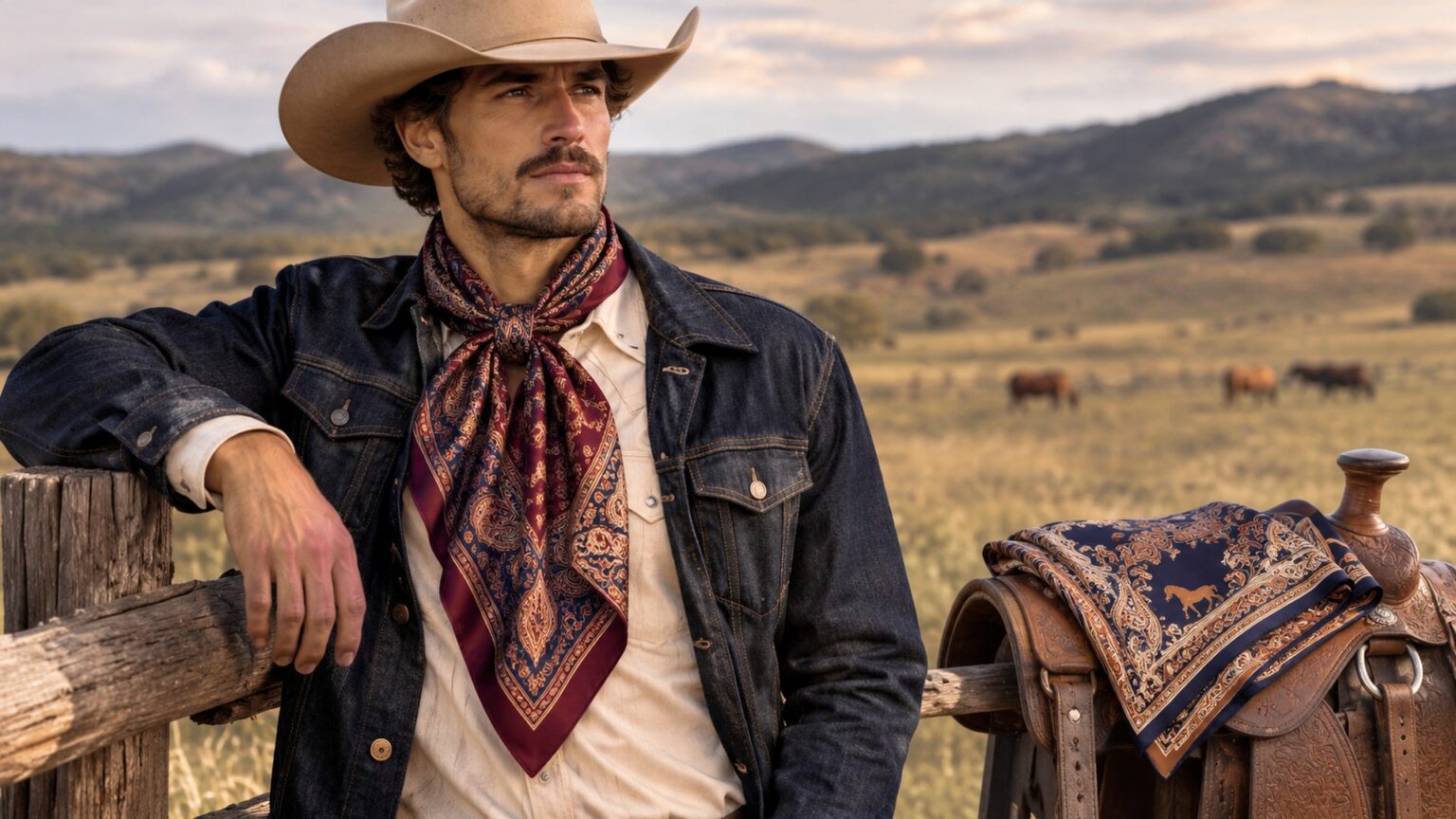
Wild rags are traditional Western scarves that combine practical comfort with distinctive cowboy and cowgirl style. Usually made from silk, cotton, polyester, or blended fabrics, these generously sized square scarves can be folded, tied, or draped around the neck in several ways. Originally associated with ranch life and protection from the elements, they have become versatile fashion accessories for rodeos, outdoor activities, Western celebrations, and everyday clothing. Understanding their materials, sizes, tying techniques, and care requirements helps buyers choose scarves that look attractive and suit their intended use.
Although wild rag scarves may appear similar to ordinary bandanas, their larger dimensions and varied fabrics provide greater styling possibilities. A carefully selected scarf can introduce colour, texture, and personality to an otherwise simple outfit.
Whether someone prefers a traditional ranch look or contemporary Western fashion, the right scarf can complement denim, leather, boots, tailored clothing, and casual outerwear.
What Are Wild Rags?
Wild rags are large square scarves traditionally worn around the neck by cowboys, cowgirls, ranch workers, and Western clothing enthusiasts.
They are commonly associated with silk fabric, although cotton and synthetic alternatives are also available.
Many designs measure approximately 36 inches square, while larger versions may measure 42 inches or more.
Their generous dimensions allow the wearer to create different knots, wraps, and draped styles.
Unlike a small decorative neckerchief, a full sized wild rag can provide substantial fabric coverage around the neck and upper chest.
The History of Wild Rag Scarves
Western neck scarves became part of cowboy clothing during the nineteenth century.
Early ranch workers often used readily available fabric to create practical neck coverings for demanding outdoor conditions.
These scarves helped provide comfort during exposure to wind, dust, and changing temperatures.
As Western clothing developed, scarves became more decorative.
Silk fabrics, distinctive colours, and elaborate patterns gradually became associated with both working ranch traditions and social occasions.
Today, wild rag scarves remain recognisable accessories within Western fashion.
Their appeal extends beyond ranch work to people who appreciate classic clothing, natural fabrics, and expressive personal styling.
Why Cowboys Traditionally Wore Neck Scarves
The original appeal of a cowboy neck scarf was practical.
A scarf could help reduce exposure to wind and dust while adding a useful layer around the neck.
It could also provide some warmth when temperatures dropped.
When conditions changed, the wearer could loosen, remove, or reposition the fabric.
Modern scarves continue to offer some of these benefits, although they should not be considered replacements for certified respiratory protection, specialised sun protective clothing, or other safety equipment.
What Makes a Wild Rag Different From a Bandana?
Wild rag scarves and bandanas share several design characteristics, but they are not always interchangeable.
Both are commonly square and can be folded into triangles.
The most noticeable differences often involve size, fabric, and intended styling.
Size and Fabric Differences
A standard cotton bandana is frequently around 20 to 22 inches square.
Western wild rag scarves are often considerably larger.
A 36 inch square scarf offers more fabric for neck coverage, layered folds, and decorative knots.
Silk is also more common in traditional premium wild rag designs, whereas everyday bandanas frequently use cotton.
Differences in Styling
A smaller bandana generally creates a compact look around the neck.
A larger wild rag can create fuller folds, longer hanging ends, and more noticeable draping.
This makes it suitable for a wider range of Western outfits.
However, the best option depends on the intended appearance rather than size alone.
Choosing the Best Fabric for Wild Rags
Fabric selection influences comfort, appearance, durability, and maintenance.
Before purchasing, buyers should consider where the scarf will be worn and how much care they are willing to provide.
Silk Wild Rags
Silk is a traditional material for premium Western neck scarves.
Its smooth texture, natural sheen, and flexible drape make it suitable for decorative knots and flowing arrangements.
Silk also feels relatively lightweight compared with many heavier fabrics.
The appearance varies according to weave, weight, finishing, and dyeing methods.
Advantages of Silk
Silk can offer an elegant finish that works with both casual ranch clothing and formal Western outfits.
Its flexible structure makes it suitable for folding into different shapes.
Well constructed silk scarves may also display detailed printed patterns and rich colours.
However, silk requires appropriate care because some finishes and dyes are sensitive to washing methods, abrasion, or excessive heat.
Understanding Silk Weight
Silk weight is sometimes described using momme, a traditional measurement of fabric weight.
A higher momme value generally indicates more fabric mass for a given area.
However, weight alone does not establish overall quality.
Weave construction, fibre characteristics, finishing, and stitching also influence how the scarf feels and performs.
Cotton Wild Rags
Cotton scarves offer a different texture and appearance from silk.
They can be practical for everyday use, particularly when easy maintenance is a priority.
Cotton fabrics vary from lightweight and soft to more substantial woven constructions.
When Cotton Is a Good Choice
Cotton can suit people who prefer a less glossy finish or a more relaxed appearance.
It also works well with casual denim outfits and practical outdoor clothing.
Some cotton scarves are machine washable, but care instructions depend on the particular product.
The fabric may wrinkle more readily than certain synthetic alternatives.
Polyester and Satin Wild Rags
Polyester scarves are available in smooth, glossy, and patterned finishes.
They may offer convenient care requirements and a different price point from natural silk.
However, fabric quality varies considerably.
It is important to understand that satin describes a weave structure rather than one specific fibre.
A satin scarf may be made from silk, polyester, or another material.
How to Identify the Actual Fabric
Check the product’s fibre content rather than relying only on words such as satin, silky, or luxury.
A scarf described as having a silk like appearance is not necessarily made from natural silk.
Clear material disclosure helps buyers compare products accurately.
How to Choose the Right Wild Rag Size
Size is one of the most important considerations when selecting a Western scarf.
It determines how much fabric is available for tying, draping, and covering the neck.
Smaller Western Scarves
Scarves around 22 to 30 inches square can provide a compact appearance.
They may suit people who prefer simple knots or limited fabric around the neck.
However, smaller scarves may not provide enough length for certain traditional ties.
The Versatile 36 Inch Size
A 36 inch square scarf is a popular choice for traditional Western styling.
It generally provides enough fabric for many common knots while remaining manageable for everyday wear.
This size can work with Western shirts, denim jackets, vests, and casual outfits.
It is also a useful starting point for buyers who are unfamiliar with larger scarves.
Larger 42 Inch Wild Rags
A 42 inch square scarf provides additional fabric for fuller folds and more prominent styling.
It can be useful for people who enjoy dramatic Western knots or broad chest coverage.
The extra material may also create a more noticeable accessory when worn over outerwear.
However, a larger scarf can feel bulky when tied tightly beneath a narrow collar.
How to Decide Between Sizes
Consider the type of knot you prefer, the clothing you normally wear, and the amount of fabric you want visible.
A compact neck knot generally needs less material than a large decorative wrap.
The relationship between scarf size and personal comfort matters more than following a rigid sizing rule.
6 Brilliant Ways to Style Wild Rags With Western Outfits
One of the main advantages of Western scarves is their versatility.
The same scarf can look different depending on how it is folded, tied, and combined with clothing.
These six styling ideas provide practical options for different occasions.
1. Create a Classic Cowboy Look With Denim
Denim is one of the easiest materials to combine with a Western silk scarf.
Start with a traditional denim shirt in blue, black, or faded indigo.
Choose a scarf with complementary colours such as burgundy, cream, rust, or navy.
Fold the scarf diagonally and position it around the neck with a simple knot.
Allow a modest amount of fabric to remain visible above the shirt.
How to Keep the Outfit Balanced
A patterned scarf usually works best when the surrounding clothing remains relatively simple.
For example, a navy paisley scarf can add visual interest to a plain light blue denim shirt.
A leather belt and traditional boots can complete the look without requiring several competing accessories.
2. Add Character to a Western Shirt and Vest
A vest creates a structured background for a decorative scarf.
This combination can work especially well for rodeos, Western gatherings, and traditional ranch inspired clothing.
Choose a scarf that contrasts gently with the shirt while coordinating with the vest.
A warm brown vest may pair well with cream, muted red, dark green, or patterned navy fabric.
Choosing the Right Knot
A compact knot can keep the scarf comfortably positioned above the vest opening.
Alternatively, a looser arrangement can allow more of the fabric to remain visible.
Avoid creating excessive bulk beneath a closely fitted vest.
3. Style a Silk Scarf With a Leather Jacket
Leather jackets can provide a strong visual contrast to soft silk.
The combination works well for people who prefer contemporary Western fashion.
A dark brown leather jacket can complement earthy scarf colours such as rust, gold, olive, and burgundy.
Black leather can work with silver grey, cream, red, or more vibrant patterns.
Creating a Refined Appearance
Keep the scarf’s fold relatively neat.
A loosely arranged knot can create a relaxed look, while a closer neck wrap offers a more structured appearance.
The scarf should complement the jacket rather than conceal its overall design.
4. Pair a Wild Rag With Formal Western Clothing
Western scarves are not limited to ranch activities.
They can also complement tailored clothing for weddings, formal gatherings, and special occasions.
A solid silk scarf or restrained patterned design can work with a blazer, Western suit, or formal shirt.
Consider deep navy, charcoal, burgundy, and cream for versatile combinations.
Avoiding an Overly Busy Outfit
Formal clothing often looks more coordinated when patterns are balanced.
If the jacket has a noticeable texture, choose a simpler scarf.
If the suit and shirt are plain, a patterned silk scarf can become the primary decorative element.
A carefully positioned scarf slide may also create a polished finish.
5. Build a Comfortable Casual Cowgirl Outfit
A Western scarf can add colour to everyday clothing without requiring a complete traditional cowboy outfit.
Try pairing a lightweight scarf with a plain shirt, fitted jeans, and ankle boots.
For a relaxed appearance, fold the scarf into a triangle and tie it loosely.
The visible fabric can add texture while keeping the outfit practical.
Experimenting With Colour
A cream shirt provides a neutral background for floral, paisley, or geometric patterns.
A dark denim outfit may benefit from a brighter scarf that introduces contrast.
The objective is to create a coordinated outfit that still reflects individual preferences.
6. Use a Statement Scarf for Rodeos and Western Events
Rodeos and Western celebrations provide opportunities to experiment with more expressive accessories.
Larger silk scarves, detailed patterns, and colourful designs can complement traditional hats and boots.
A 42 inch scarf can be particularly useful for creating fuller arrangements.
Consider coordinating one of the scarf’s colours with a belt, jacket, or other accessory.
Making the Scarf the Main Accessory
Choose one visually prominent element.
If the scarf features a bold pattern, simpler jewellery and neutral clothing can help it stand out.
A carefully balanced outfit often appears more intentional than one containing several unrelated patterns.
How to Tie a Wild Rag Step by Step
Learning a few tying methods makes a Western scarf more versatile.
The most suitable knot depends on scarf size, fabric texture, and the desired appearance.
The Traditional Square Knot
A square knot creates a neat, practical arrangement.
Step 1: Fold the Scarf
Lay the scarf flat on a clean surface.
Bring one corner toward the opposite corner to create a triangle.
Adjust the fold so the edges sit neatly.
Step 2: Position the Fabric
Place the folded scarf around your neck with the ends arranged comfortably.
Depending on the desired style, the triangular section may sit toward the front or be folded into a narrower band.
Step 3: Tie the Knot
Cross the right end over the left and pass it through.
Then cross the new left end over the right and pass it through to complete a square knot.
Adjust the fabric carefully without pulling excessively tightly.
Step 4: Finish the Look
Straighten the visible folds and position the knot where it feels comfortable.
The scarf should remain secure without restricting movement or breathing.
The Loose Front Drape
For a relaxed appearance, fold the scarf diagonally and position the triangular section over the upper chest.
Wrap the ends around the neck if their length permits.
Secure them comfortably without creating excessive pressure.
This method highlights the scarf’s printed design.
Using a Western Scarf Slide
A scarf slide is a decorative accessory that helps hold the ends of a scarf together.
Slides may be made from metal, leather, or other suitable materials.
Fold the scarf into the desired shape and guide both ends through the slide.
Position it at a comfortable height.
The slide should grip the fabric adequately without pulling or damaging delicate fibres.
Choosing Colours and Patterns for Western Scarves
Colour and pattern influence how easily a scarf coordinates with existing clothing.
Some buyers prefer traditional paisley designs, while others favour solid colours or contemporary artwork.
Classic Paisley Patterns
Paisley remains a recognisable design in Western neckwear.
Its curved motifs create visual movement and can complement denim, leather, and traditional Western shirts.
Paisley designs are available in both muted and vibrant combinations.
Solid Colour Scarves
Solid scarves offer flexibility when clothing already contains noticeable patterns.
Black, navy, brown, burgundy, and cream can work with many Western wardrobes.
A solid silk scarf can also highlight fabric texture rather than printed artwork.
Floral and Geometric Designs
Floral patterns can create a softer appearance, while geometric prints may provide a more structured visual effect.
The right choice depends on individual style and the occasion.
Why Borders Matter
Many square scarves include decorative borders.
When the scarf is folded, these borders can become important visible features.
Consider how the print looks as a triangle or narrow band rather than judging only its appearance when fully opened.
How to Recognise Quality Wild Rags Before Buying
An attractive photograph does not always reveal the quality of a scarf.
Careful examination of materials and construction helps buyers make more informed decisions.
Check Fabric Composition
Look for an accurate description of the fibre content.
If a product is advertised as natural silk, its label or specification should clearly support that description.
Examine the Edges and Stitching
Well finished edges contribute to the scarf’s overall appearance and durability.
Inspect whether the hems are even and whether loose threads or irregular stitching are visible.
Some premium scarves feature hand rolled hems, while others use carefully finished machine stitching.
Either method can be suitable when executed properly.
Inspect Print Quality
Check whether the pattern appears sharp and consistently positioned.
Some scarves are printed on one side, while others feature designs visible on both sides.
For styles involving extensive folding, the appearance of the reverse side can be important.
Consider Fabric Drape
The scarf should fold and hang in a way that suits its intended use.
Very stiff fabric may make certain knots difficult to arrange.
Extremely lightweight material may produce less structured folds.
Neither characteristic is automatically a defect.
The preferred feel depends on the wearer’s styling expectations.
Understanding Wild Rag Prices and Overall Value
The cost of Western scarves can vary considerably.
Important factors include fabric composition, size, printing complexity, construction, manufacturing methods, and brand positioning.
A natural silk scarf may cost more than a synthetic alternative, but price alone does not establish quality.
What Makes a Scarf More Expensive?
Premium fabrics, detailed finishing, custom patterns, and labour intensive production methods can influence the selling price.
Larger scarves also require more material.
However, shoppers should distinguish meaningful construction features from purely promotional descriptions.
Should You Buy Silk or a Less Expensive Alternative?
Silk can be appealing for its traditional Western character, drape, and natural lustre.
Cotton may be better suited to buyers who prefer a casual appearance and potentially simpler care.
Polyester can provide another option for people prioritising affordability or specific maintenance characteristics.
The most sensible purchase is the scarf that meets the intended purpose and provides satisfactory quality within the buyer’s budget.
How to Care for Wild Rags Properly
Correct care helps preserve colour, fabric texture, and the appearance of decorative hems.
The appropriate cleaning method depends on fibre composition, dyes, and finishing.
Cleaning Silk Wild Rags
Always check the manufacturer’s care label before cleaning.
Some silk products require professional dry cleaning.
Others may permit careful hand washing.
If Hand Washing Is Permitted
Use cool water and a detergent suitable for delicate silk.
Gently move the fabric through the water without aggressive rubbing or twisting.
Rinse according to the product instructions.
Avoid wringing the scarf, as this can distort the fabric.
Remove excess moisture carefully with a clean towel and dry it as directed.
Caring for Cotton Scarves
Many cotton scarves tolerate gentle washing, but the care label remains important.
Avoid unnecessarily harsh detergents or high temperatures.
Some cotton fabrics can shrink or release excess dye during washing.
Separate strongly coloured items when appropriate.
Maintaining Polyester Scarves
Polyester scarves may have convenient cleaning requirements.
Nevertheless, printed finishes and decorative components can have specific restrictions.
High heat can damage some synthetic materials.
Follow the manufacturer’s temperature guidance when washing or ironing.
How to Remove Wrinkles
For scarves that permit ironing, use the recommended temperature setting.
A clean protective cloth can help reduce direct contact between the iron and delicate fabric.
Do not assume that every silk or synthetic scarf tolerates steaming.
Proper Storage Methods
Store clean, completely dry scarves in a suitable drawer or wardrobe.
Folding them loosely can reduce unnecessary creasing.
Avoid sharp accessories that may catch delicate fibres.
For long term storage, keep scarves away from prolonged direct sunlight and excessive moisture.
Common Mistakes to Avoid When Wearing Wild Rags
Even a well made scarf can be uncomfortable or difficult to style if the fabric, size, or tying method is unsuitable.
Choosing the Wrong Size
A small scarf may not provide enough fabric for the desired knot.
An oversized scarf may create unnecessary bulk.
Consider your preferred arrangement before choosing dimensions.
Pulling Knots Too Tight
Overtightening can make the scarf uncomfortable and create excessive tension in delicate fabric.
Use a secure but relaxed knot.
Ignoring Clothing Proportions
A large patterned scarf can overwhelm a narrow collar or highly detailed jacket.
Balance the scarf’s dimensions with the rest of the outfit.
Using Improper Cleaning Methods
Washing delicate silk incorrectly can damage its finish or affect its shape.
Check the fibre content and care instructions before cleaning.
Wearing Loose Fabric Near Machinery
Long hanging scarf ends can become caught in moving equipment.
Anyone working around machinery, rotating tools, or similar hazards should secure loose clothing appropriately or remove the scarf.
Fashion accessories must never interfere with workplace safety.
Are Wild Rags Suitable for Everyday Wear?
Western scarves can work well beyond traditional ranch settings.
A subtle scarf can complement a casual shirt, lightweight jacket, or everyday outerwear.
For regular use, fabric comfort and ease of care are especially important.
People who wear scarves frequently may appreciate having different materials for different conditions.
A lightweight option can feel more comfortable in mild weather, while a fuller arrangement may provide additional neck coverage when temperatures fall.
However, fabric performance depends on weave, thickness, fit, and weather conditions.
The most practical everyday scarf is one that suits the wearer’s clothing and can be maintained without unnecessary difficulty.
Choosing Wild Rags as Gifts
A Western scarf can make a thoughtful gift for someone who enjoys cowboy clothing, rodeo fashion, ranch traditions, or distinctive accessories.
When choosing a gift, consider the recipient’s usual colours and personal style.
A neutral silk scarf may be suitable for someone who prefers classic outfits.
A bold paisley or floral design may appeal to someone who enjoys expressive Western fashion.
Size also matters.
A medium sized scarf can provide useful flexibility when the recipient’s preferred tying method is unknown.
Look for clear fabric information and care instructions so the recipient understands how to maintain the gift.
Frequently Asked Questions
1. What are wild rags used for?
Wild rags are Western scarves worn for neck comfort, traditional cowboy styling, and decorative fashion. They can also provide some coverage from wind, dust, and cool weather.
2. What is the best fabric for wild rags?
Silk is popular for its traditional appearance, natural lustre, and flexible drape. Cotton and polyester can be practical alternatives depending on comfort, budget, and maintenance preferences.
3. What size wild rag should I buy?
A 36 inch square scarf is a versatile starting point for common Western knots. A 42 inch version provides more fabric for fuller wraps and decorative styling.
4. How do you tie a wild rag around your neck?
Fold the scarf diagonally into a triangle, arrange it around your neck, and secure the ends with a comfortable square knot or suitable scarf slide.
5. Can men and women both wear wild rags?
Yes. Wild rags are traditional Western accessories worn by people of different genders. Colours, sizes, and tying styles can be selected according to individual preferences.
6. Can you wash silk wild rags at home?
Some silk scarves permit gentle hand washing, while others require professional dry cleaning. Always follow the specific care label to avoid damaging the fabric.
Conclusion
Wild rags remain versatile Western accessories because they combine traditional character, functional comfort, and a wide range of styling possibilities. Choosing the appropriate fabric, size, colour, and knot can help create an outfit that feels both practical and personal. Quality construction and suitable care are equally important for maintaining a scarf’s appearance over time. Whether worn with everyday denim or formal Western clothing, a thoughtfully selected wild rag can add a distinctive finishing touch.
