
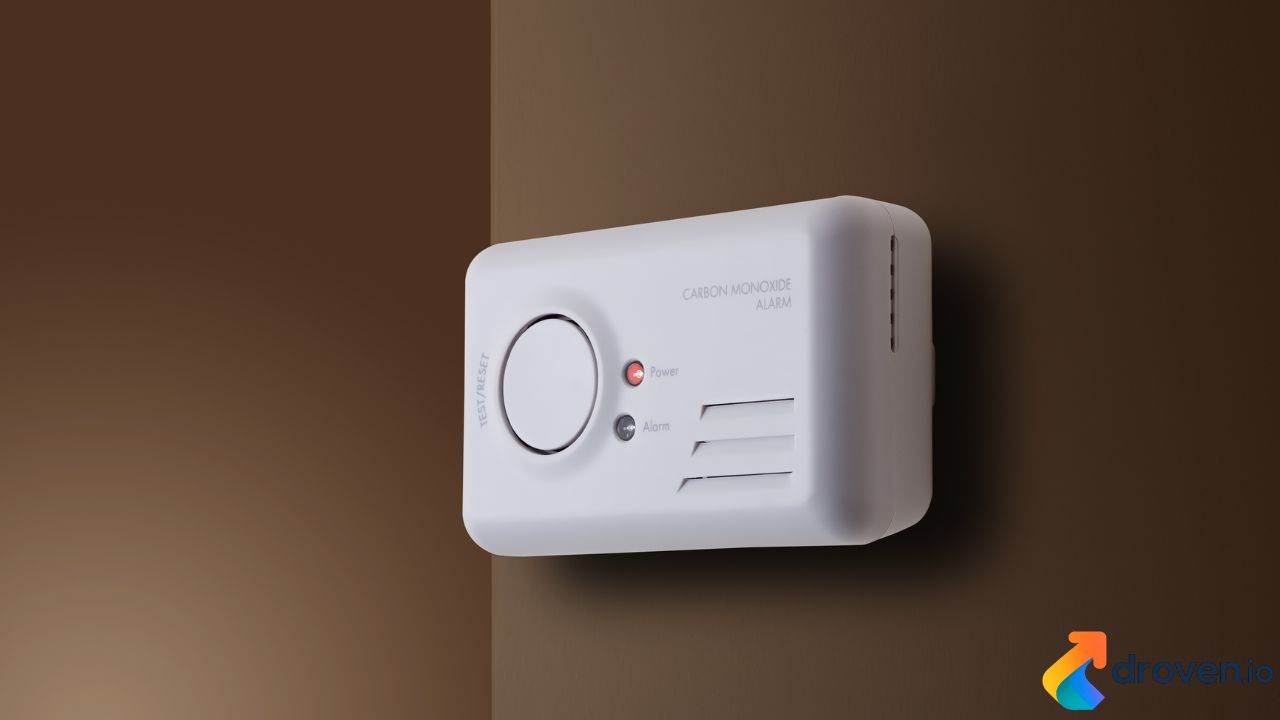
Home safety often focuses on visible threats such as fires, break-ins, or electrical hazards. However, one of the most dangerous risks inside homes is completely invisible: carbon monoxide. Known as the “silent killer,” carbon monoxide (CO) is a colorless, odorless gas that can cause serious illness or death if undetected.
Installing reliable carbon monoxide alarms is one of the most effective ways to protect your household from this hidden danger. These devices provide early warnings when carbon monoxide levels become unsafe, allowing families to take action before exposure becomes life-threatening.
This article explores why carbon monoxide alarms are essential, how they work, and the best practices for installing and maintaining them.
What Is Carbon Monoxide and Why Is It Dangerous?
Carbon monoxide is produced when fuels such as gas, oil, coal, or wood do not burn completely. Common household appliances that may release carbon monoxide include:
- Gas furnaces
- Water heaters
- Fireplaces
- Gas stoves
- Portable generators
- Vehicle engines in attached garages
The danger lies in the fact that carbon monoxide cannot be detected by human senses. Unlike smoke, it has no smell or color. When inhaled, carbon monoxide prevents the blood from carrying oxygen effectively, which can lead to symptoms such as:
- Headaches
- Dizziness
- Nausea
- Confusion
- Loss of consciousness
Without warning systems in place, exposure can escalate quickly.
How Carbon Monoxide Alarms Work
Carbon monoxide alarms are specialized safety devices designed to monitor the air for elevated CO levels. When dangerous concentrations are detected, the device emits a loud alarm to alert occupants.
Most alarms use one of three sensor technologies:
Electrochemical Sensors
These sensors measure electrical currents produced by chemical reactions when carbon monoxide is present. They are considered highly accurate and reliable.
Biomimetic Sensors
These sensors use materials that darken in the presence of carbon monoxide, triggering the alarm.
Semiconductor Sensors
These detect changes in electrical resistance caused by carbon monoxide exposure.
Regardless of the technology used, the primary goal of carbon-monoxide alarms is to provide early detection before carbon monoxide reaches harmful levels.
Why Every Home Needs Carbon Monoxide Protection
Many homeowners underestimate the risk of carbon monoxide poisoning. However, incidents occur every year due to malfunctioning appliances, poor ventilation, or improper use of fuel-burning equipment.
Here are several reasons these alarms are essential.
Early Warning Saves Lives
Carbon monoxide poisoning often occurs during sleep when occupants cannot detect symptoms early. An alarm can alert residents immediately, providing time to evacuate and ventilate the home.
Protection From Appliance Malfunctions
Heating systems, boilers, and water heaters can develop faults over time. Even well-maintained equipment may produce carbon monoxide if ventilation becomes blocked.
Safety During Power Outages
Portable generators used during power outages are a common cause of carbon monoxide poisoning. Alarms provide an additional layer of protection during emergencies.
Compliance With Safety Regulations
Many building codes and safety regulations now require carbon monoxide alarms in residential properties, particularly near sleeping areas.
Where to Install Carbon Monoxide Alarms
Proper placement is critical to ensure alarms function effectively.
Near Sleeping Areas
Install at least one alarm outside each bedroom or sleeping zone so occupants can hear alerts at night.
On Every Level of the Home
Carbon monoxide can spread throughout a house. Placing alarms on each floor ensures comprehensive coverage.
Near Fuel-Burning Appliances
Installing alarms near furnaces, water heaters, or fireplaces can help detect leaks earlier.
Avoid Problem Locations
Do not install alarms:
- Directly next to cooking appliances
- In humid areas like bathrooms
- In areas with strong airflow from vents or windows
Correct installation maximizes detection accuracy and reduces false alarms.
Maintaining Your Carbon Monoxide Alarm
Installing alarms is only the first step. Regular maintenance ensures they remain effective.
Test Monthly
Use the test button to confirm the alarm works properly.
Replace Batteries
Battery-operated units typically require new batteries at least once per year.
Clean the Device
Dust accumulation can interfere with sensors. Gently vacuum around the alarm periodically.
Replace When Expired
Most carbon monoxide alarms last 5–7 years. After that, sensors degrade and the device should be replaced.
Signs Your Home May Have Carbon Monoxide Issues
While alarms provide detection, certain warning signs may indicate a carbon monoxide problem:
- Soot buildup around appliances
- Yellow or flickering pilot lights
- Increased condensation on windows
- Unusual burning smells
- Frequent headaches or dizziness indoors
If an alarm activates or symptoms appear, evacuate immediately and contact emergency services.
The Role of Professional Inspections
In addition to installing alarms, homeowners should schedule periodic inspections of heating systems and fuel-burning appliances. HVAC professionals can check for leaks, ventilation problems, and malfunctioning components.
Preventative maintenance combined with alarm systems creates a comprehensive safety strategy.
The Future of Smart Carbon Monoxide Detection
Modern smart home technology is transforming home safety. New smart alarms offer features such as:
- Smartphone notifications
- Voice alerts identifying danger levels
- Integration with home automation systems
- Remote monitoring
These advanced systems allow homeowners to stay informed about potential hazards even when they are away from home.
FAQs
What causes carbon monoxide in homes?
Carbon monoxide is typically produced by incomplete combustion from appliances such as furnaces, water heaters, fireplaces, gas stoves, and generators.
How many carbon monoxide alarms should a house have?
Experts recommend installing at least one alarm on every level of the home and outside each sleeping area.
Do carbon monoxide alarms detect smoke?
No. Carbon monoxide alarms detect CO gas only. Homes should also have smoke detectors installed for fire protection.
How often should carbon monoxide alarms be replaced?
Most alarms should be replaced every 5–7 years, depending on the manufacturer’s recommendations.
What should I do if the alarm goes off?
Immediately move everyone outside into fresh air and contact emergency services or your local fire department to investigate the source.
