
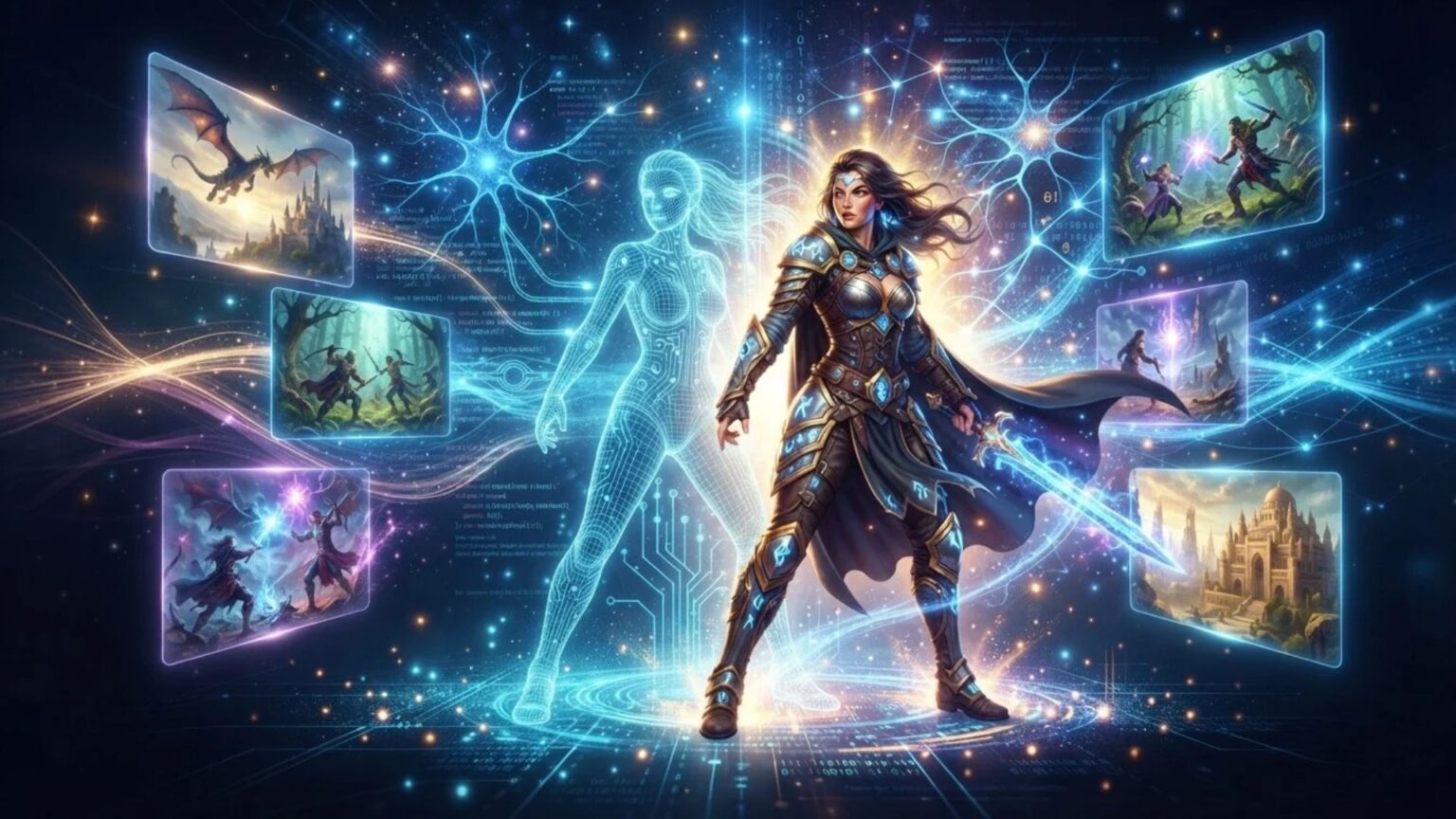
Artificial intelligence is changing the way people create, communicate, and interact with digital content. From automated graphic design to AI-generated videos, modern technology has made creative processes faster and more accessible. One area experiencing significant transformation is digital storytelling, where creators use technology to develop characters, build fictional worlds, and produce engaging narratives.
Character creation was once a process that required considerable imagination, research, and manual effort. Writers, game developers, content creators, and digital artists had to spend hours developing character personalities, backgrounds, appearances, and motivations. Today, AI-powered tools can simplify several parts of this process while giving creators more opportunities to experiment with their ideas.
The Growing Role of AI in Creative Industries
Artificial intelligence has become an important part of modern creative workflows. Generative AI systems can analyze prompts, understand context, and produce original content based on user instructions.
These capabilities are particularly useful for people working in digital entertainment, advertising, gaming, and content production.
For example, a game developer can use AI to explore different character concepts before beginning the actual design process. Similarly, a fiction writer can experiment with alternative personalities, character backgrounds, and storylines to make a narrative more interesting.
Rather than replacing human creativity, these technologies provide additional resources that help creators turn their ideas into practical projects.
How AI Makes Character Development Easier
Creating a memorable character involves more than choosing a name or physical appearance. A well-developed character needs a personality, motivation, background, strengths, weaknesses, and a meaningful role within the story.
AI-powered creative tools can help organize these elements.
Here are some ways technology is improving character development:
1. Generating Creative Character Ideas
Coming up with fresh character concepts can be challenging, particularly when working on multiple projects. AI tools can generate suggestions based on a few descriptive instructions.
A creator might request a mysterious detective, a futuristic superhero, or a fictional antagonist with unusual abilities. The generated suggestions can serve as starting points for further creative development.
2. Exploring Different Personalities
Character personalities influence how audiences connect with a story. AI can help writers explore different personality combinations, behavioral patterns, and motivations.
For instance, a fictional character might appear confident but secretly struggle with insecurity. These contrasting characteristics can make fictional personalities feel more realistic and interesting.
3. Developing Stronger Storylines
AI can also help creators brainstorm conflicts, relationships, and unexpected plot developments. By exploring different possibilities, writers can identify interesting directions for their stories without relying on their initial ideas alone.
4. Maintaining Creative Consistency
When developing stories with multiple characters, maintaining consistency is important. Character profiles and AI-assisted documentation can help creators keep track of personalities, relationships, and important background details.
This becomes particularly useful for long-form fiction, video game narratives, and animated storytelling projects.
Why Character Names Matter in Digital Storytelling
A character’s name is often one of the first details an audience encounters. A memorable name can communicate personality, establish an atmosphere, and create curiosity about the character.
This is especially important when developing fictional heroes, villains, and fantasy characters.
For example, a superhero’s name might communicate courage, strength, or hope. An antagonist, on the other hand, may need a name that suggests mystery, danger, or authority.
Writers sometimes spend considerable time searching for names that match their characters. Creative naming resources can make this process easier.
A supervillain name generator can help writers, gamers, and creative professionals explore different naming possibilities for fictional antagonists. Instead of repeatedly brainstorming names manually, users can discover ideas that fit the atmosphere and personality of their characters.
These suggestions can then be modified to create something more distinctive and suitable for a particular story or creative project.
AI and the Future of Video Game Character Design
The gaming industry is another area where AI-assisted character development has significant potential.
Modern video games often feature complex fictional worlds populated by dozens or even hundreds of characters. Each character may require a unique identity, personality, dialogue style, and backstory.
Developers can use AI-powered technologies to support different stages of the development process.
For example, AI can assist with:
- Creating preliminary character descriptions and profiles.
- Developing alternative dialogue options.
- Exploring different character personalities.
- Brainstorming missions and narrative conflicts.
- Generating ideas for fictional locations and organizations.
These applications can help development teams explore creative possibilities more efficiently.
However, human involvement remains essential. Developers must review generated content to ensure that characters fit the game’s narrative, visual identity, and overall experience.
Combining Human Imagination With AI Tools
Although AI can generate impressive creative suggestions, technology alone cannot guarantee an engaging story.
Successful storytelling still depends on emotional depth, originality, and an understanding of audience expectations.
Creators should treat AI-generated ideas as building blocks rather than finished creative products. Reviewing, editing, and improving these suggestions allows writers and designers to maintain control over their work.
A practical approach is to begin with a basic concept, use AI tools to explore different directions, and then develop the strongest ideas through human creativity.
For example, someone creating a fictional villain could begin with a simple personality description. They could then explore possible names, motivations, abilities, and relationships before developing a complete character profile.
This combination of structured thinking and creative experimentation can make the development process more productive.
Challenges of Using AI in Creative Projects
Despite its advantages, AI-assisted creativity also comes with certain limitations.
Generated suggestions may sometimes feel repetitive or lack originality. AI systems can also misunderstand context, produce inconsistent character details, or generate ideas that do not match a creator’s intended tone.
Another consideration is creative ownership. Writers and designers should understand the terms of the tools they use, particularly when developing content for commercial projects.
The best results usually come from combining AI assistance with careful human review. Creators should evaluate generated material, make meaningful improvements, and ensure that the final work reflects their own creative direction.
Conclusion
Artificial intelligence is creating new opportunities for writers, game developers, digital artists, and content creators. From brainstorming character concepts to developing fictional personalities and exploring new storylines, AI-powered tools can make creative workflows more flexible and efficient.
However, technology works best when it supports human imagination rather than replacing it. A compelling character still needs a meaningful identity, an interesting personality, and a purpose within the story.
As creative technologies continue to evolve, the combination of human storytelling skills and intelligent digital tools will likely play an increasingly important role in shaping the future of entertainment and digital content creation.
