
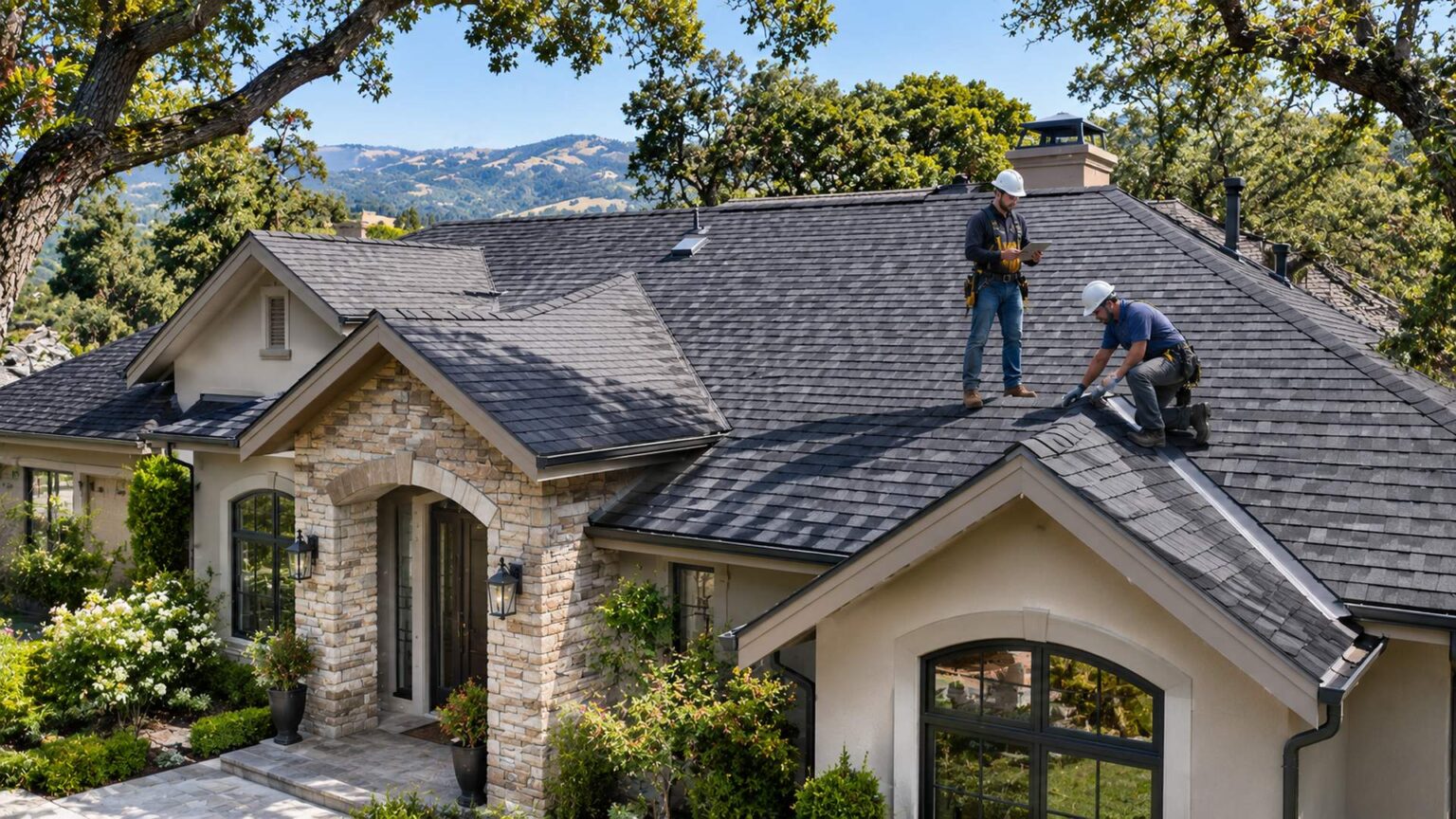
A strong, properly maintained roof protects a home from rain, wind, sunlight, and other environmental conditions that can gradually affect its structure. For homeowners in Saratoga, California, roofing decisions require careful consideration of seasonal weather, material durability, fire safety, and long term maintenance. Understanding Saratoga roofing options helps property owners recognize problems early, select appropriate materials, and make informed decisions about repairs or complete roof replacement.
Saratoga’s residential neighborhoods include a variety of architectural styles, from traditional family homes to contemporary properties near the foothills. Each home has different roofing requirements depending on its design, age, surrounding trees, and exposure to weather.
Whether you are dealing with a minor roof leak, planning a major renovation, or evaluating a new roofing system, understanding the essential aspects of residential roofing can help you avoid unnecessary expenses and protect your property.
Why Roofing Quality Matters for Saratoga Homes
A residential roof does much more than improve the appearance of a property. It forms part of the building envelope, helping prevent moisture intrusion while supporting indoor comfort and protecting the structure below.
Saratoga experiences generally dry summers and wetter winter conditions. These seasonal changes can expose weaknesses in roofing materials, flashing, drainage systems, and exterior connections.
Homes surrounded by mature trees may also experience increased accumulation of leaves and debris. Properties closer to wooded hillsides can have additional considerations related to fire exposure and access.
Protection Against Seasonal Rainfall
During rainy periods, water must move efficiently across the roof and into the drainage system.
Damaged shingles, deteriorated flashing, or blocked gutters can allow moisture to enter vulnerable areas.
Persistent moisture may affect insulation, ceilings, wooden components, and interior finishes.
Proper installation and maintenance reduce the likelihood of these problems.
Long Term Structural Protection
Water entering through a roof can damage materials that are not immediately visible from inside the home.
Roof decking, framing, and insulation may gradually deteriorate when moisture problems remain unresolved.
Addressing small defects early can limit damage and help preserve the condition of the underlying structure.
Property Appearance and Value
Roofing materials contribute significantly to a home’s overall appearance.
Color, texture, roof shape, and material selection can complement architectural features.
A roof in good condition may also make a property more attractive to prospective buyers, although its effect on market value depends on many factors.
7 Essential Saratoga Roofing Tips for Homeowners
A practical roofing strategy should combine regular inspection, timely repairs, appropriate materials, qualified installation, and preventive maintenance.
The following steps can help homeowners make more informed decisions.
1. Schedule Regular Professional Roof Inspections
Routine inspections help identify deterioration before it develops into a more serious problem.
A qualified roofing professional can assess visible materials, flashing, gutters, roof penetrations, and other accessible components.
The inspection may reveal loose shingles, damaged tiles, deteriorated sealants, or areas where water could enter.
Homeowners should consider arranging an inspection after significant weather events or when warning signs appear.
What Should a Roof Inspection Include?
A thorough assessment may cover:
- Condition of roofing materials and visible wear
- Flashing around chimneys, vents, and skylights
- Roof valleys and drainage points
- Gutters and downspouts
- Visible signs of moisture intrusion
- Accessible roof decking and ventilation components
- Areas affected by tree branches or accumulated debris
An inspection should produce understandable findings and recommendations.
Photographs can help explain problems that homeowners cannot safely view from the ground.
2. Address Roof Leaks Before Damage Spreads
Roof leaks are among the most common reasons homeowners seek roofing assistance.
A leak may begin around damaged flashing, aging materials, roof penetrations, or poorly sealed transitions.
Water can travel along structural components before becoming visible indoors. Therefore, the location of a ceiling stain does not always identify the point where water entered the roof.
Warning Signs of Water Damage
Common indicators include:
- Brown or yellow ceiling stains
- Peeling paint near exterior walls
- Damp attic insulation
- Mold or musty odors
- Water dripping during rainfall
- Discolored wood around roof penetrations
These symptoms require investigation rather than assumptions about the cause.
Temporary measures may limit water entry during an emergency, but a permanent repair should address the underlying defect.
Homeowners should avoid climbing onto wet, steep, or damaged roofs. Professional assessment is the safer approach.
3. Understand When Repair or Replacement Is Necessary
Not every damaged roof requires complete replacement.
Localized problems may be repairable when the surrounding materials remain in satisfactory condition.
For example, a small section of damaged shingles or an isolated flashing defect may be suitable for targeted repairs.
However, widespread deterioration, repeated leaks, or extensive damage to underlying materials can make replacement more practical.
When Roof Repair May Be Appropriate
Repair may be reasonable when:
- Damage affects a limited area.
- Most roofing materials remain serviceable.
- The underlying structure is sound.
- Compatible replacement materials are available.
- The repair can restore proper water protection.
The condition of the entire roofing system should guide the decision.
When Roof Replacement May Be the Better Option
Replacement may become necessary when roofing materials have deteriorated extensively, leaks repeatedly occur in different locations, or previous repairs have failed.
Significant structural damage may also require additional work before new roofing materials are installed.
A contractor should explain whether the recommendation is based on widespread defects, material age, installation problems, or structural concerns.
Comparing the likely cost and remaining service life of a repair with replacement can support a more informed decision.
4. Choose Roofing Materials That Match Your Property
Material selection is an important part of any Saratoga roofing project.
Different roofing systems offer distinct appearances, weights, installation requirements, and maintenance needs.
Asphalt shingles, metal roofing, concrete tiles, and clay tiles are among the options homeowners may consider.
The best choice depends on roof slope, architectural design, structural capacity, fire requirements, budget, and expected performance.
Consider Durability and Maintenance
A material’s advertised service life is not a guarantee for every installation.
Actual longevity depends on product quality, installation, exposure, maintenance, and environmental conditions.
Some materials are easier to repair locally, while others may involve more specialized replacement procedures.
Homeowners should evaluate maintenance expectations alongside initial installation costs.
Consider Weight and Roof Structure
Not every roof structure can safely support every roofing material.
Concrete and clay tiles, for example, can impose different structural loads from lighter roofing systems.
A change to a heavier material may require professional structural evaluation.
Material selection should always reflect the building’s actual capabilities.
5. Review Local Roofing Permits and Fire Safety Requirements
Roofing work in Saratoga may be subject to building permits, inspections, and applicable construction standards.
Roof replacement projects generally require appropriate permitting, and the requirements for repairs depend on the work involved.
Homeowners should confirm permit responsibilities before work begins.
Fire Resistant Roofing Considerations
Certain Saratoga properties are located in areas subject to additional wildfire protection requirements.
Roofing projects in designated fire hazard areas or wildland urban interface locations can require particular fire resistant roof assemblies and construction details.
Class A roof assemblies are especially relevant to these requirements.
However, a roofing material’s individual fire rating does not automatically establish compliance for the complete installed system.
The approved assembly, installation method, roof details, and applicable local requirements must be considered together.
A qualified contractor should identify the requirements affecting the property and explain how the proposed roofing system will comply.
6. Hire a Qualified and Properly Licensed Roofing Contractor
Professional installation is essential for roof performance.
Even high quality materials can fail prematurely when installed incorrectly.
Homeowners should compare roofing contractors based on qualifications, experience, documented work practices, and the clarity of their proposals.
Verify Contractor Credentials
In California, roofing work commonly falls under the C-39 roofing contractor classification.
Verify the contractor’s current license status and relevant insurance information before signing an agreement.
Ask who will supervise the project and whether subcontractors will perform any portion of the work.
Contractors should also explain their procedures for site protection, waste removal, inspections, and final cleanup.
Request a Detailed Written Estimate
A roofing estimate should identify the work being proposed rather than presenting only a final price.
Important details include:
- Roofing materials and product specifications
- Removal of existing roofing where required
- Underlayment and flashing work
- Treatment of damaged decking
- Ventilation improvements if necessary
- Permit responsibilities
- Project schedule
- Cleanup and debris disposal
- Warranty terms
- Payment arrangements
Comparing proposals with clearly defined scopes helps homeowners understand differences in price and service.
7. Maintain Drainage and Manage Nearby Vegetation
Trees and landscaping contribute to Saratoga’s residential character, but surrounding vegetation can influence roof maintenance.
Leaves, twigs, and other debris may collect in gutters, valleys, and drainage channels.
Blocked drainage can cause water to accumulate in areas that were designed to shed it.
Homeowners should monitor accessible drainage points and arrange professional cleaning when necessary.
Manage Overhanging Branches
Branches that rub against roofing materials can contribute to wear.
Falling branches may also damage shingles, tiles, gutters, or skylights.
Tree maintenance should be handled carefully, particularly near power lines or where protected tree regulations may apply.
The objective is to reduce avoidable roof damage while preserving appropriate vegetation around the property.
Comparing Common Roofing Materials for Saratoga Homes
Selecting roofing materials requires balancing visual preferences with practical performance.
Each option has advantages and limitations.
Asphalt Shingle Roofing
Asphalt shingles are widely used on residential properties because they offer a range of colors, profiles, and price points.
Architectural shingles can provide a dimensional appearance suitable for many traditional and contemporary homes.
Their performance depends on product specifications, correct installation, ventilation, and environmental exposure.
Homeowners should evaluate applicable fire ratings, wind resistance, manufacturer instructions, and warranty conditions.
Asphalt roofing may be a practical option for homeowners seeking familiar installation methods and a broad selection of products.
Metal Roofing
Metal roofing is available in several designs, including standing seam systems and other profiles.
It can provide a distinctive appearance and may offer long service life when properly specified and maintained.
Metal systems also require careful detailing around penetrations, roof edges, and transitions.
Thermal movement, corrosion considerations, fastening methods, and compatibility with other materials affect performance.
The installed roof assembly must meet applicable fire safety and building requirements.
Concrete Tile Roofing
Concrete tiles are used on homes with architectural styles that complement their appearance.
They can provide durable surface protection, but the complete system requires suitable underlayment, flashing, and structural support.
Individual tiles may crack from impact or inappropriate foot traffic.
Maintenance and repair work should be performed carefully to avoid additional damage.
Clay Tile Roofing
Clay tiles offer a distinctive appearance associated with several traditional architectural styles.
They may provide long service life under suitable conditions, but installation quality and the condition of the underlying waterproofing system remain important.
Their weight, profile, and fastening requirements should be evaluated during project planning.
Clay tile is not automatically appropriate for every existing roof structure.
Understanding Saratoga Roofing Costs
Roofing costs vary because each property presents different conditions.
A small repair involving accessible flashing will typically have a different scope from a complete replacement requiring removal of existing materials and repair of damaged decking.
Rather than relying on a single advertised price, homeowners should request a property specific estimate.
Roof Size and Complexity
Roof area is one of the main factors influencing material quantities and labor.
However, two roofs with the same surface area may have different installation costs.
Steep slopes, multiple valleys, dormers, skylights, and complex roof shapes can increase the time and detail required.
Limited access and difficult material handling may also affect project pricing.
Material Selection
Different materials have different purchase prices, installation techniques, and supporting requirements.
Specialized underlayment, flashing, ventilation components, and approved fire resistant assemblies can influence the final project cost.
The least expensive material initially may not always provide the most suitable lifetime value.
Removal and Structural Repairs
Existing roofing may need to be removed before replacement.
If removal exposes damaged plywood, deteriorated framing, or other hidden problems, additional repairs may be required.
A written contract should explain how unforeseen work will be documented, priced, and approved.
Permits and Project Requirements
Permit fees, inspections, site access, and applicable building requirements can influence the total budget.
Homeowners should clarify which costs are included in the estimate and which are conditional.
An appropriate contingency allowance may help manage unexpected conditions without compromising necessary work.
What Happens During a Residential Roof Replacement?
Understanding the replacement process helps homeowners prepare for construction and recognize important quality checks.
Initial Assessment and Planning
The contractor evaluates the existing roof, confirms the proposed materials, and identifies necessary preparation work.
This stage should address permit requirements, project access, and any special conditions involving solar panels, skylights, or roof mounted equipment.
The homeowner should receive a clear scope of work before installation begins.
Preparing the Property
Roof replacement can create temporary noise, dust, and construction activity.
Contractors may use protective coverings to reduce debris exposure around landscaping, walkways, and other vulnerable areas.
Homeowners should discuss vehicle parking, pets, outdoor furniture, and access arrangements in advance.
Removing Existing Materials
Where required, the existing roofing is removed to expose the underlying deck.
The contractor can then identify visible deterioration that may not have been apparent during the initial assessment.
Damaged materials should be addressed before installing the new roofing system.
Installing the New Roof
Installation generally includes the appropriate underlayment, flashing, roofing materials, and related components.
The exact sequence depends on the selected roof system.
Correct detailing around roof intersections, vents, chimneys, and other penetrations is particularly important for water resistance.
Final Inspection and Cleanup
A completed project should include a review of installation quality and any required municipal inspection.
The contractor should remove construction debris, check accessible drainage areas, and explain maintenance recommendations.
Homeowners should retain the contract, warranty documents, permit records, and final payment information.
How Roof Ventilation Affects Home Performance
Roof ventilation can help manage attic moisture and temperature when designed appropriately for the building.
An effective system must consider the relationship between insulation, air sealing, ventilation openings, and the roof assembly.
Attic Moisture Control
Indoor moisture can move into attic spaces through gaps and openings.
Under certain conditions, this moisture may contribute to condensation or deterioration.
A properly designed attic system can help manage these risks.
However, adding vents without evaluating the existing design is not always an appropriate solution.
Heat Management
During warm weather, attic temperatures can rise significantly.
Roof color, insulation, solar reflectance, air sealing, and ventilation can influence heat transfer.
Homeowners considering energy improvements should evaluate the building as a complete system rather than relying on one roofing feature alone.
Planning Roofing Work Around Solar Panels
Some Saratoga homes have rooftop solar installations, while others may add panels in the future.
Roof condition should be considered before committing to long term rooftop equipment.
Inspect the Roof Before Solar Installation
If a roof is approaching replacement, installing solar panels first may complicate future roofing work.
Removing and reinstalling panels can add expense and coordination requirements.
A roofing inspection can help identify whether repairs or replacement should be considered before the solar project proceeds.
Coordinate Roofing and Electrical Contractors
Roofing and solar work involve different technical responsibilities.
Penetrations, mounting systems, waterproofing, electrical safety, and equipment access require coordinated planning.
Homeowners should confirm which contractor is responsible for each portion of the work.
Common Roofing Mistakes Homeowners Should Avoid
Roofing projects can become more expensive when important decisions are rushed.
Understanding common mistakes helps homeowners evaluate proposals and maintain reasonable expectations.
Choosing Only by the Lowest Price
A low estimate may exclude important components or necessary preparation.
Compare the complete scope, product specifications, contractor qualifications, and warranty terms before deciding.
Ignoring Small Problems
Minor defects may allow water to reach vulnerable components.
Early professional assessment can help determine whether a limited repair is sufficient.
Overlooking Flashing and Underlayment
The visible roof covering is only one part of the complete roofing system.
Flashing and underlayment play important roles in managing water at joints and beneath roof materials.
Their condition and installation deserve attention during repairs and replacement.
Assuming Every Roof Has the Same Lifespan
Expected service life depends on materials, installation, maintenance, and exposure.
A general product lifespan should not replace an assessment of the actual roof.
Creating a Practical Roof Maintenance Schedule
Preventive maintenance can help homeowners identify concerns before they become serious.
A maintenance plan does not need to be complicated, but it should be consistent.
Before the Rainy Season
Arrange an inspection when appropriate, review drainage conditions, and address known defects.
Check for visible debris around gutters and downspouts from a safe position.
Damaged or missing roofing materials should receive professional attention.
After Significant Weather
Observe the roof from the ground for obvious changes.
Look for displaced materials, fallen branches, or new water stains indoors.
Do not attempt to access a damaged roof without proper equipment and training.
During Dry Weather
Dry periods can provide opportunities to plan nonemergency maintenance and larger roofing projects.
Schedule necessary professional work before the next period of heavy rain where practical.
Maintain Records
Keep photographs, inspection reports, repair invoices, and warranty documentation.
These records help future contractors understand previous work and allow homeowners to track recurring concerns.
How to Choose Between Multiple Roofing Estimates
Obtaining more than one detailed proposal can help homeowners compare available approaches.
The goal is not simply to identify the lowest number.
Instead, evaluate how clearly each contractor understands the property’s requirements.
A useful comparison should address material specifications, removal procedures, flashing details, structural repairs, permits, warranties, and expected completion conditions.
Ask contractors to explain any significant price differences.
A proposal may cost more because it includes additional preparation, higher specification materials, or work excluded from another estimate.
Written clarification can reduce misunderstandings once construction begins.
Conclusion
Choosing the right Saratoga roofing solution involves understanding your home’s condition, selecting suitable materials, and working with qualified professionals. Regular inspections, timely repairs, proper drainage, and attention to local building requirements can help reduce avoidable roofing problems. Homeowners should compare repair and replacement options using clear assessments rather than assumptions about roof age or price alone. A carefully planned roofing project provides dependable protection and supports the long term condition of the property.
Frequently Asked Questions
What roofing materials are suitable for homes in Saratoga?
Asphalt shingles, metal roofing, concrete tiles, and clay tiles may be suitable depending on roof structure, design preferences, budget, and applicable fire safety requirements.
How much does Saratoga roofing cost?
Costs depend on roof size, material selection, roof complexity, access, removal requirements, and necessary repairs. A detailed property specific estimate provides the most useful pricing information.
Do I need a permit for roof replacement in Saratoga?
Roof replacement generally requires a building permit in Saratoga, California. Homeowners should confirm the applicable requirements and inspections before work begins.
How often should homeowners inspect their roofs?
An annual professional assessment is a reasonable maintenance practice for many homes. Additional inspections may be appropriate after significant weather or when visible damage appears.
How do I know if my roof needs repair or replacement?
Localized defects may be repairable, while widespread deterioration, repeated leaks, or major structural damage can indicate a need for replacement. A professional inspection can clarify the options.
How can I find a reliable Saratoga roofing contractor?
Verify licensing and relevant insurance, request detailed written estimates, review appropriate experience, and clarify permits, warranties, and project responsibilities before signing.
Can a new roof improve energy efficiency?
A properly designed roofing system may support energy performance through suitable materials, insulation, air sealing, and ventilation. Actual benefits depend on the home’s existing conditions and the improvements made.
