
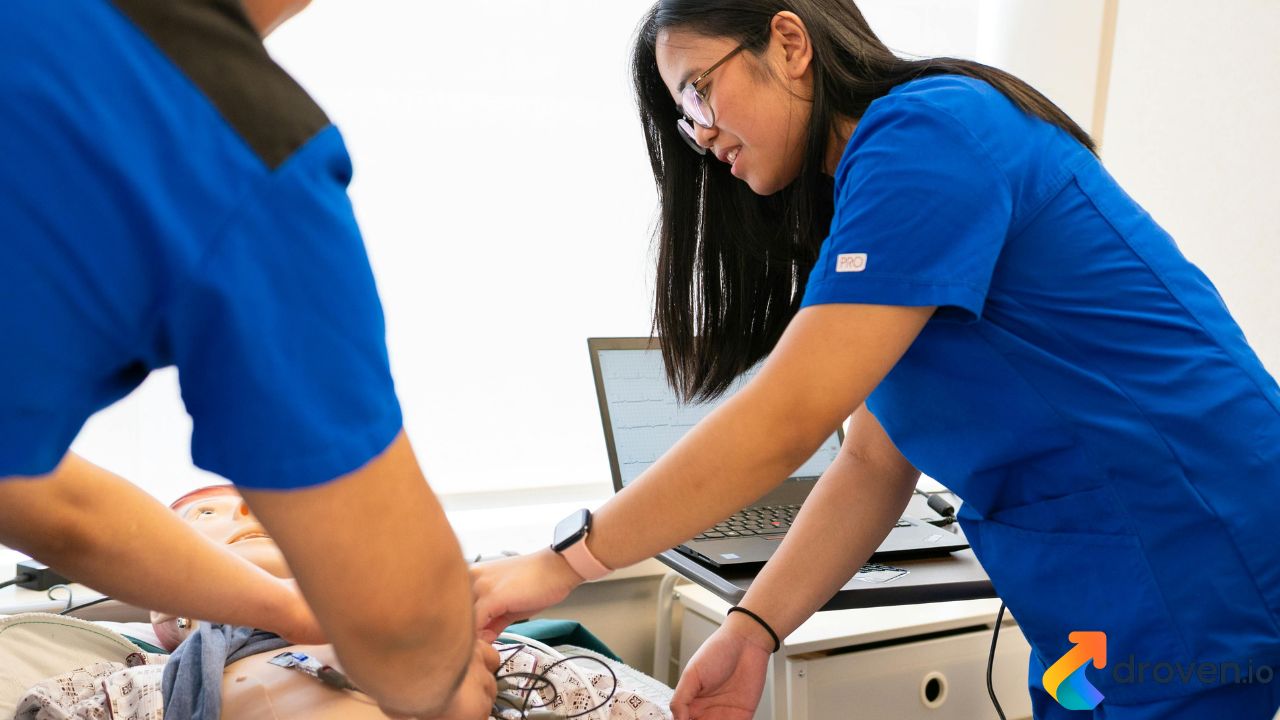
Healthcare is one of the most dynamic and essential sectors worldwide, requiring highly trained professionals to provide quality patient care. Medical Training Programs play a critical role in preparing individuals for careers in medicine, nursing, and allied health professions. These programs combine academic knowledge with practical clinical experience to develop the skills needed to diagnose, treat, and care for patients effectively.
Medical training is considered a lifelong learning process that begins with foundational education and continues throughout a healthcare professional’s career as new technologies and medical knowledge emerge.
What Are Medical Training Programs?
Medical training programs are structured educational pathways designed to teach the knowledge, skills, and clinical practices required in healthcare professions. These programs range from short certificate courses to advanced medical degrees.
Training programs typically focus on:
- Medical science fundamentals
- Clinical practice and patient care
- Healthcare ethics and communication
- Specialized medical procedures
- Continuous professional development
Through these programs, students gain both theoretical knowledge and hands-on experience needed to work in hospitals, clinics, laboratories, and other healthcare environments.
Types of Medical Training Programs
There are many types of Medical Training Programs, depending on the career path and level of specialization.
Undergraduate Medical Education
This stage provides the foundation for a career in medicine. Students study basic sciences such as biology, anatomy, physiology, and pharmacology.
Examples include:
- Bachelor’s degrees in pre-med or health sciences
- Medical school programs such as Doctor of Medicine (MD) or Doctor of Osteopathic Medicine (DO)
These programs combine classroom learning with early clinical exposure.
Residency Training
After completing medical school, graduates enter residency programs where they receive specialized training in fields such as:
- Internal medicine
- Pediatrics
- Surgery
- Emergency medicine
- Obstetrics and gynecology
Residency provides practical, supervised experience in hospitals and clinics.
Allied Health Training Programs
Many healthcare careers do not require becoming a physician. Allied health programs train professionals who support medical teams.
Examples include:
- Medical assistant programs
- Dental assistant training
- Pharmacy technician training
- Medical coding and billing
- Nursing assistant certification
These programs often take months to a few years to complete.
Continuing Medical Education (CME)
Healthcare professionals must continually update their knowledge and skills throughout their careers.
CME programs include:
- Workshops and seminars
- Online medical courses
- Advanced certifications
- Specialized medical training
Continuing education ensures that healthcare providers stay updated on new treatments, research, and technologies.
Common Certifications in Medical Training
Many training programs lead to professional certifications that validate a healthcare worker’s skills and qualifications.
Examples include:
- Basic Life Support (BLS)
- Advanced Cardiac Life Support (ACLS)
- Certified Nursing Assistant (CNA)
- Certified Medical Assistant (CMA)
- Infection Control Certification
These certifications are often required for employment in hospitals and healthcare facilities.
Importance of Medical Training Programs
Medical training programs are essential for building a competent healthcare workforce.
Developing Clinical Skills
Students learn essential medical techniques such as diagnosis, patient assessment, and treatment planning.
Improving Patient Care
Proper training equips healthcare professionals with the knowledge and skills needed to provide safe and effective care.
Preparing for Real-World Medical Situations
Hands-on training allows students to practice procedures and decision-making in supervised environments.
Supporting Healthcare System Needs
Healthcare systems worldwide require trained professionals to meet increasing demand for medical services.
Role of Technology in Modern Medical Training
Technology is transforming how healthcare professionals are trained.
Medical Simulation
Simulation training uses mannequins, digital environments, and interactive tools to teach clinical procedures and emergency response skills.
Simulation-based learning allows students to practice medical scenarios safely before treating real patients.
Virtual Patients
Computer-based virtual patients simulate real clinical situations, helping students practice diagnosis and treatment decisions.
These systems provide interactive learning experiences without risk to actual patients.
Online Learning Platforms
Many medical training programs now offer online courses, allowing students to study while balancing work or family responsibilities. Flexible acupuncture courses can also give aspiring practitioners the opportunity to develop specialized skills while managing their existing commitments.
Benefits of Enrolling in Medical Training Programs
Choosing a career in healthcare offers several advantages.
Strong Job Demand
The healthcare industry continues to grow globally, creating demand for trained professionals.
Career Flexibility
Medical training opens pathways to many specialties and healthcare roles.
Competitive Salaries
Many medical careers offer stable incomes and opportunities for advancement.
Meaningful Work
Healthcare professionals have the opportunity to improve and save lives through their work.
How to Choose the Right Medical Training Program
Selecting the right training program is an important decision for anyone entering the healthcare field.
Key factors to consider include:
Career Goals
Choose a program aligned with the medical role you want to pursue.
Accreditation
Ensure the training institution is recognized and accredited by appropriate regulatory bodies.
Clinical Experience Opportunities
Hands-on training is essential for developing practical medical skills.
Program Duration and Cost
Training programs vary in length from short certifications to multi-year medical degrees.
Evaluating these factors helps ensure the chosen program supports long-term career success.
The Future of Medical Training
Medical education continues to evolve with advances in technology and healthcare practices. Emerging trends include:
- Artificial intelligence in medical education
- Virtual reality surgical training
- Telemedicine education
- Personalized learning systems
These innovations are expected to improve the efficiency and accessibility of medical training worldwide.
FAQs
What are medical training programs?
Medical training programs are educational courses that teach individuals the knowledge and clinical skills required for careers in healthcare.
How long do medical training programs take?
Program length varies widely, from a few months for certification courses to several years for medical degrees and residencies.
Can medical training programs be completed online?
Some theoretical components can be studied online, but most healthcare programs require in-person clinical training.
What careers require medical training?
Careers such as doctors, nurses, medical assistants, pharmacists, and technicians all require specialized medical training.
Are medical training programs difficult?
Medical training can be challenging due to the extensive knowledge and clinical skills required, but it provides rewarding career opportunities in healthcare.
