
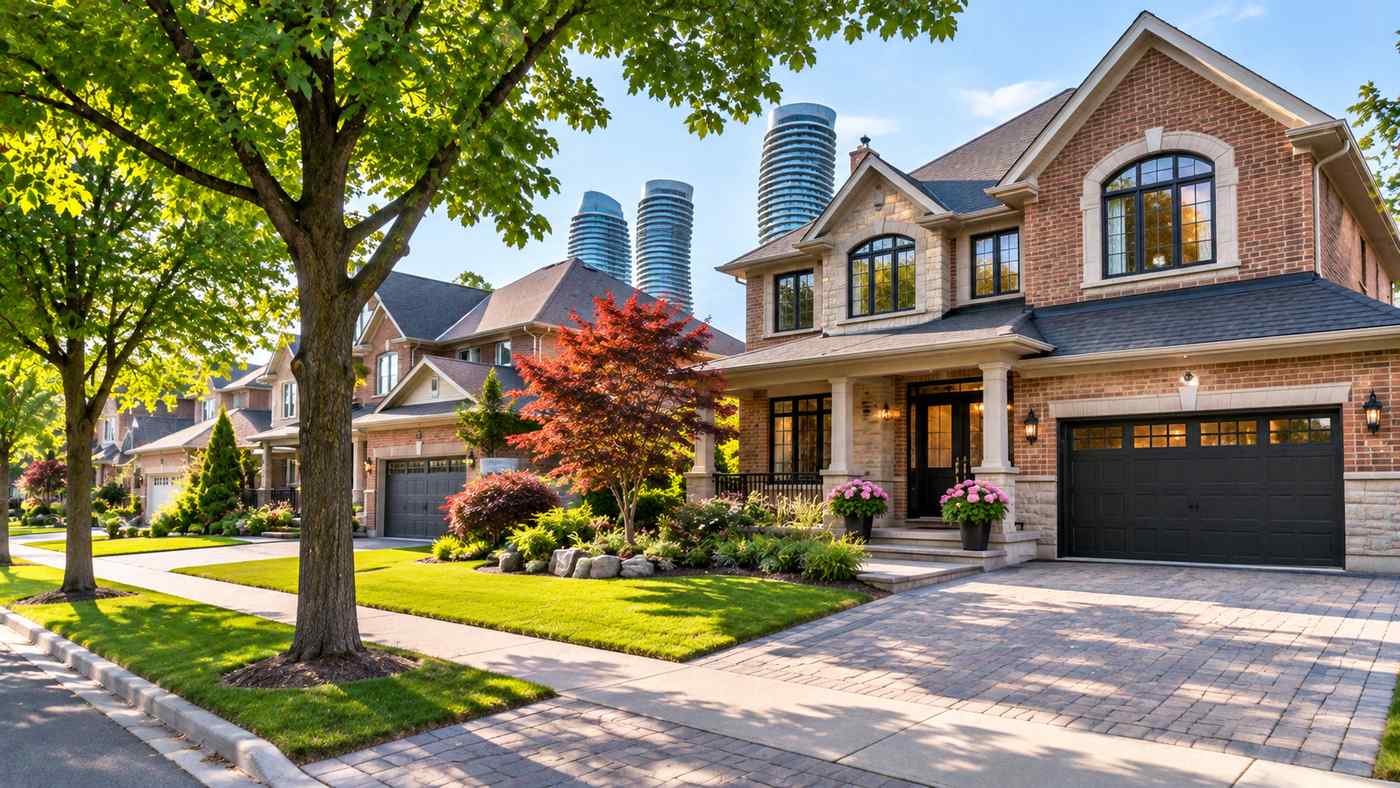
Mississauga is one of the most established residential communities in the Greater Toronto Area, offering a wide variety of properties for homebuyers with different lifestyles, budgets, and priorities. From detached family homes on quiet residential streets to modern townhouses and luxury properties near Lake Ontario, the city provides numerous housing options.
For buyers exploring houses for sale in Mississauga, understanding the local real estate market is an essential first step. Property prices, neighbourhood characteristics, available amenities, and commuting opportunities can vary considerably across the city.
Mississauga attracts buyers who want access to Toronto while enjoying established residential communities, parks, shopping centres, schools, and transportation connections. Its location within Peel Region also makes it convenient for people working in surrounding employment areas.
However, purchasing a house requires more than finding an attractive property. Buyers must evaluate their financial position, understand mortgage requirements, compare neighbourhoods, and investigate the condition of potential homes.
A house that appears affordable based on its listing price may involve additional costs for property taxes, insurance, maintenance, and renovations.
Likewise, two properties with similar prices may offer very different long-term value depending on their locations and characteristics.
This comprehensive guide explores popular Mississauga neighbourhoods, different house types, important purchasing expenses, the buying process, and practical strategies for making an informed real estate decision.
Why Buy a House in Mississauga?
Mississauga offers a combination of residential communities, business centres, transportation infrastructure, and recreational amenities.
As a major city within the Greater Toronto Area, it provides access to regional employment opportunities while offering neighbourhoods with different housing styles and community environments.
Convenient Location Near Toronto
Mississauga is located west of Toronto and is connected to surrounding municipalities through major roadways and regional transportation systems.
Residents working in Toronto or other GTA employment centres can evaluate available commuting options when choosing a neighbourhood.
However, actual travel times depend on the specific address, transportation method, and traffic conditions.
Diverse Residential Communities
The city includes established neighbourhoods with mature trees and older detached homes, as well as communities containing more recently constructed housing.
Buyers can explore areas with traditional suburban layouts, walkable village centres, or waterfront surroundings.
This diversity makes it possible to compare locations according to individual priorities.
Access to Parks and Recreation
Mississauga maintains parks, community centres, recreational facilities, and waterfront public spaces.
These amenities can be important for households looking for outdoor activities and convenient community services.
However, buyers should examine the facilities actually available near each property rather than assuming that every neighbourhood offers the same access.
Shopping and Everyday Services
The city includes major retail destinations such as Square One Shopping Centre and Erin Mills Town Centre, alongside smaller commercial districts.
Grocery stores, restaurants, healthcare facilities, and other services are distributed throughout the municipality.
Access to these amenities may influence a household’s location preferences.
Understanding the Mississauga Real Estate Market
The Mississauga housing market includes different property types, neighbourhoods, and price segments.
Detached homes, semi-detached properties, townhouses, and condominium apartments do not necessarily follow identical market trends.
For this reason, buyers should avoid relying entirely on one citywide average price.
Housing Supply and Buyer Demand
Property availability changes as owners list homes and transactions are completed.
Some neighbourhoods may have several comparable properties available, while others offer fewer options.
Inventory levels can influence how much negotiating flexibility buyers have.
However, the number of active listings alone does not determine whether a property is fairly priced.
Interest Rates and Affordability
Mortgage borrowing costs influence the amount buyers can comfortably spend.
A change in mortgage interest rates can affect monthly payments and overall purchasing power.
Buyers should evaluate affordability using actual lender terms rather than assuming that current rates will remain unchanged indefinitely.
Local Market Conditions in 2026
The Toronto Regional Real Estate Board reported that Greater Toronto Area sales and new listings increased on a seasonally adjusted basis in October 2026 compared with September.
However, those regional trends should not be interpreted as a guarantee of price movement in every Mississauga neighbourhood.
Detached homes in Lorne Park, for example, may have different market characteristics from townhouses in Churchill Meadows.
Property-specific comparable sales are more useful when evaluating an individual purchase.
Why Sold Prices Matter
A property’s asking price represents the amount requested by the seller.
It does not necessarily represent its market value or final selling price.
Buyers should examine recent comparable transactions involving properties with similar locations, sizes, conditions, and characteristics.
A qualified real estate professional can help explain these comparisons.
Popular Neighbourhoods for Homebuyers in Mississauga
Choosing the right neighbourhood is one of the most important decisions in the purchasing process.
Each community offers different housing styles, amenities, and location advantages.
Port Credit
Port Credit is a waterfront community located near Lake Ontario.
It is known for its village atmosphere, restaurants, local businesses, and access to waterfront recreational areas.
The neighbourhood includes a mix of older detached homes, renovated properties, townhouses, and condominium developments.
Its proximity to Port Credit GO Station may appeal to buyers who use regional transit.
However, home characteristics and pricing can vary considerably between individual streets.
Buyers interested in Port Credit should evaluate proximity to the waterfront, property condition, lot size, and applicable planning considerations.
Erin Mills
Erin Mills is an established residential area with detached homes, semi-detached properties, townhouses, parks, and community amenities.
Its different sections provide a range of housing options.
Buyers may consider access to Erin Mills Town Centre, nearby educational facilities, and surrounding transportation routes.
However, the age and condition of available homes can vary.
A detailed inspection is particularly important when purchasing an older property.
Streetsville
Streetsville is recognized for its historic village character and established residential surroundings.
The neighbourhood includes local shops, restaurants, and residential streets with different architectural styles.
Buyers may find detached homes, semi-detached properties, and other housing options.
The community’s historical character may appeal to people who appreciate traditional neighbourhood environments.
Prospective buyers should examine the specific property’s age, renovation history, and proximity to transportation.
Clarkson
Clarkson is located in the southwestern part of Mississauga.
Its residential areas include established homes, townhouses, and properties near the Lake Ontario shoreline.
Clarkson GO Station provides a regional transportation option.
The neighbourhood contains different housing styles, from modest older homes to larger renovated properties.
Buyers should compare individual streets carefully because lot sizes, building conditions, and amenities can differ.
Meadowvale
Meadowvale is an established residential community containing detached homes, semi-detached houses, townhouses, and condominium developments.
It includes parks, recreational areas, and local services.
Some buyers consider Meadowvale because of its variety of housing types and access to employment areas.
However, affordability depends on the specific property and prevailing market conditions.
Buyers should compare recent transactions rather than assume that one neighbourhood is always less expensive than another.
Churchill Meadows
Churchill Meadows contains many relatively newer residential developments compared with some of Mississauga’s older communities.
Housing options include detached properties, semi-detached houses, and townhouses.
The community may appeal to buyers looking for contemporary layouts and established suburban amenities.
However, modern construction does not eliminate the need for careful inspection.
Buyers should review maintenance requirements, renovation quality, and any applicable common-element or condominium obligations.
Lorne Park
Lorne Park is known for established residential streets, mature landscaping, and a range of larger homes.
The neighbourhood includes older properties, renovated residences, and custom-built houses.
Buyers considering Lorne Park may prioritize lot characteristics, privacy, and housing design.
However, larger properties can involve substantial maintenance and operating expenses.
The purchase price should therefore be evaluated alongside long-term ownership costs.
Cooksville
Cooksville offers a mixture of housing types and access to major transportation routes.
The area includes detached homes, townhouses, apartments, and redevelopment opportunities.
Buyers may consider proximity to local businesses, public transit, and surrounding employment destinations.
As with other established communities, property condition and location within the neighbourhood can materially affect value.
Types of Houses Available in Mississauga
Different property types provide different combinations of space, privacy, maintenance responsibilities, and cost.
Detached Houses
Detached homes are standalone buildings that do not share walls with neighbouring residences.
They often provide private outdoor space and greater separation between households.
Depending on the property, features may include a driveway, garage, basement, and backyard.
However, detached homeowners generally carry responsibility for maintaining the entire property.
Roof repairs, landscaping, exterior maintenance, and other expenses should be considered.
Semi-Detached Houses
Semi-detached homes share one wall with an adjoining residence.
They can provide many features associated with a traditional house while occupying a different price segment from detached properties.
Layout, sound insulation, outdoor space, and property condition remain important considerations.
Townhouses
Townhouses commonly form part of a connected row of residences.
They may offer multiple levels, private entrances, and functional living spaces.
Some are freehold properties, while others operate under condominium ownership arrangements.
This distinction matters because condominium townhouses may involve monthly fees and shared maintenance responsibilities.
Buyers should confirm the legal ownership structure before purchasing.
Bungalows
Bungalows are generally single-storey homes, although some include finished basements.
They may appeal to people looking for main-floor living arrangements.
Older bungalow properties sometimes attract buyers interested in renovation or redevelopment.
However, any proposed modifications should be assessed for structural feasibility and compliance with municipal requirements.
Luxury Properties
Mississauga also contains high-value homes with larger floor areas, custom designs, and distinctive property features.
These may include extensive landscaping, premium finishes, and specialized amenities.
Luxury property buyers should pay particular attention to maintenance costs, building quality, and comparable sales.
How to Search for Available Homes in Mississauga
An organized search can make the buying process more manageable.
Rather than reviewing every listing, begin by identifying the properties that meet essential requirements.
Buyers can explore houses for sale in Mississauga through the property search resources provided by GTA-Homes.
The platform offers Mississauga real estate listings and information about different property types and neighbourhoods.
Exploring GTA-Homes Listings
GTA-Homes provides a dedicated section for Mississauga houses.
Its published search pages describe options ranging from bungalows and semi-detached houses to larger residential properties.
The website also provides access to broader Mississauga real estate information.
Because listings are updated as properties enter and leave the market, buyers should verify current availability before arranging a viewing.
Filter Properties by Budget
Begin with a price range based on mortgage affordability and available funds.
Avoid using the maximum lender approval amount as the automatic purchasing target.
A comfortable budget should account for living expenses and unexpected costs.
Select the Preferred Property Type
Decide whether a detached house, semi-detached home, or townhouse suits the household.
This can reduce time spent examining unsuitable listings.
Compare Essential Features
Important features may include bedroom count, bathrooms, parking, basement configuration, outdoor space, and overall condition.
Distinguish between essential requirements and preferences.
Arrange Property Viewings
Online photographs provide an introduction, but they cannot reveal every potential concern.
A physical viewing allows buyers to examine the layout and observe visible conditions.
Professional inspections provide additional information.
Seven Smart Tips for Buying a House in Mississauga
A successful property search requires financial preparation and careful evaluation.
1. Establish a Realistic Budget
Before searching, calculate how much can be spent on the property without creating unnecessary financial pressure.
Consider mortgage payments, property taxes, insurance, utilities, and maintenance.
For example, a household may qualify for a particular mortgage amount but prefer a lower payment to preserve flexibility for other expenses.
A realistic budget should reflect household priorities rather than lender approval alone.
2. Obtain Mortgage Preapproval
Mortgage preapproval can provide an initial indication of borrowing capacity.
Lenders may review income, existing debts, credit history, and financial documentation.
However, preapproval does not guarantee final financing.
The lender may still need to evaluate the particular property and confirm that the borrower meets its requirements.
3. Research Neighbourhoods Carefully
Different neighbourhoods provide different amenities and housing characteristics.
Visit potential areas at different times when possible.
Consider commuting requirements, nearby services, transportation, and property-specific factors.
Buyers with school-related priorities should verify information directly with the relevant school board rather than assume enrollment based only on the property address.
4. Review Recent Comparable Sales
Comparable properties provide useful context when considering an offer.
Look at recent sales involving similar house types, sizes, and locations.
A newly renovated detached house may not be directly comparable with an older property requiring substantial repairs.
5. Arrange an Appropriate Home Inspection
A professional home inspection can identify visible deficiencies and potential maintenance concerns.
Important areas include roofing, structure, plumbing, electrical systems, heating, and moisture conditions.
However, inspections have limitations.
Certain hidden defects may not be discoverable during a standard visual inspection.
Specialized testing may be necessary when concerns arise.
6. Understand the Purchase Agreement
An Agreement of Purchase and Sale establishes contractual obligations between buyer and seller.
Its terms may address price, deposit, completion date, included items, and conditions.
Financing and inspection conditions may provide important protections where negotiated and accepted.
Buyers should obtain qualified legal guidance before committing to an agreement they do not fully understand.
7. Plan for Long-Term Ownership
Purchasing is only the beginning of homeownership.
Owners must maintain the property and manage ongoing financial responsibilities.
A maintenance reserve can help cover unexpected expenses.
Long-term planning is particularly important for older properties or homes with extensive outdoor areas.
Understanding Mortgage Requirements in Ontario
Financing is a major part of the buying process for many households.
Mortgage eligibility depends on factors such as income, debt obligations, credit history, down payment, and the property being purchased.
Minimum Down Payment Requirements
Canada’s federal guidance generally establishes the following minimum down payment structure for eligible purchases:
- For homes priced at $500,000 or less, the minimum is generally 5%.
- For eligible homes priced above $500,000 and below $1.5 million, the minimum is generally 5% of the first $500,000 plus 10% of the remaining amount.
- For homes priced at $1.5 million or more, the minimum is generally 20%.
These are minimum requirements, not recommendations for every borrower.
Specific lenders and borrower circumstances may require larger contributions.
Mortgage Default Insurance
A down payment below 20% generally requires mortgage default insurance when the mortgage is eligible for an insured loan.
The insurance protects the lender rather than the borrower.
Premiums add to the cost of financing.
Mortgage Qualification
Lenders assess whether borrowers can reasonably manage the proposed mortgage.
This may involve qualifying interest rates and debt-service calculations.
Buyers should compare actual payment obligations with their household budget.
Fixed and Variable Interest Rates
Fixed-rate mortgages provide an established interest rate for the agreed term.
Variable-rate mortgages can change according to their contractual conditions.
The appropriate choice depends on financial circumstances and risk tolerance.
Additional Costs When Buying Property in Mississauga
The purchase price is not the only amount a buyer must budget for.
Ontario Land Transfer Tax
Ontario generally charges land transfer tax on qualifying real estate purchases.
Its standard residential rates are progressive, increasing across defined property-value thresholds.
Mississauga buyers generally pay Ontario land transfer tax rather than the additional municipal land transfer tax that applies to properties purchased within the City of Toronto.
However, special circumstances can create additional tax obligations.
A real estate lawyer can calculate the amount applicable to a particular transaction.
First-Time Homebuyer Refund
Ontario provides an eligible first-time homebuyer land transfer tax refund of up to $4,000.
Eligibility depends on specific requirements.
Buyers should verify that they qualify before including the refund in their financial plans.
Legal Fees
A real estate lawyer generally handles important closing tasks.
These may include title review, registration, financial adjustments, and other transaction requirements.
Fees and disbursements should be confirmed in advance.
Home Inspection Costs
Buyers may need to pay for a professional inspection.
Additional specialized inspections can increase the total expense.
Property Insurance
Mortgage lenders commonly require suitable property insurance.
The cost depends on the home, coverage, and insurer.
Moving and Maintenance Expenses
Moving services, furnishings, immediate repairs, and utility setup can create additional costs.
A buyer should maintain sufficient financial reserves after closing.
Understanding Property Taxes in Mississauga
Property taxes are an ongoing expense for homeowners.
The City of Mississauga calculates property taxes using assessed property values and applicable annual tax rates.
The tax bill includes municipal, regional, and education components.
Why Property Tax Amounts Differ
Two houses with similar asking prices may have different assessed values and tax obligations.
Buyers should review the actual property tax information for the home they are considering.
Reviewing the Tax Bill
A property’s listing may contain an estimated or previously reported tax amount.
Before purchasing, buyers should verify the relevant information and review any necessary adjustments.
Budgeting for Future Changes
Property tax rates can change from year to year.
Homeowners should allow flexibility for future adjustments rather than assume that the current tax bill will remain unchanged indefinitely.
The Homebuying Process in Mississauga
The steps involved in purchasing a house generally follow a structured sequence.
Step One: Review Your Finances
Begin by evaluating income, debt, savings, and available down payment funds.
Prepare a budget that includes transaction costs and future ownership expenses.
Step Two: Obtain Financing Guidance
Consult a qualified lender or mortgage professional.
Discuss borrowing capacity and the requirements for your circumstances.
Step Three: Search for Suitable Properties
Use current listings to identify homes that match your needs.
Compare neighbourhoods, property types, and available features.
Step Four: Schedule Viewings
Visit shortlisted homes.
Consider the condition, layout, natural light, storage, parking, and outdoor areas.
Step Five: Make an Offer
Work with an appropriate real estate professional to prepare an offer.
The agreement may include conditions and other terms.
Step Six: Complete Due Diligence
Where applicable, arrange inspections, financing confirmation, and legal review.
Investigate material concerns before removing relevant conditions.
Step Seven: Prepare for Closing
The real estate lawyer coordinates necessary legal documentation and transaction requirements.
Buyers must arrange the required funds by the applicable deadlines.
Step Eight: Take Possession
After the transaction closes, the buyer takes possession according to the agreement.
Homeownership then involves ongoing maintenance, insurance, taxes, and other responsibilities.
What First-Time Buyers Should Know
First-time homebuyers may find the purchasing process unfamiliar.
The experience can become easier with clear financial preparation.
Understand the Difference Between Qualification and Affordability
A lender may approve a particular mortgage amount.
However, that does not necessarily mean the monthly payments fit comfortably within the household’s broader financial goals.
Consider Eligible Government Programs
Depending on personal circumstances and current rules, first-time buyers may qualify for programs such as the First Home Savings Account or the Home Buyers’ Plan.
Eligibility and withdrawal conditions should be reviewed using official government guidance.
Avoid Rushing Into an Offer
Competitive market conditions can create pressure.
However, buyers should understand the property and contractual obligations before committing.
Keep Emergency Savings
Unexpected repairs and financial changes are part of homeownership.
Maintaining an appropriate reserve can reduce financial stress.
Can International Buyers Purchase Property in Mississauga?
Foreign buyers need to understand Canadian ownership restrictions.
Canada’s federal prohibition on certain residential property purchases by non-Canadians has been extended until January 1, 2027.
The legislation includes specific exceptions, and eligibility depends on the buyer’s circumstances and the property involved.
Ontario also imposes a Non-Resident Speculation Tax on certain qualifying residential property purchases, subject to applicable rules and exemptions.
International buyers should consult a qualified Canadian real estate lawyer before making any financial commitment.
Property marketing materials should not be treated as confirmation of legal purchasing eligibility.
Common Mistakes Homebuyers Should Avoid
Several mistakes can create unnecessary financial or legal difficulties.
Choosing a Home Based Only on Appearance
Professional photographs and staging can make a property attractive.
However, buyers must also consider structural condition, maintenance, and location.
Ignoring Closing Costs
Failing to budget for land transfer tax, legal fees, and other expenses can create problems before completion.
Skipping Important Due Diligence
Unresolved financing, inspection, or title concerns can lead to significant risk.
Comparing Unrelated Properties
A large renovated house should not be compared directly with a smaller home requiring substantial work.
Assuming Property Values Always Increase
Real estate markets fluctuate.
Future appreciation is not guaranteed.
Overlooking Commute Requirements
A property may appear suitable until the buyer considers everyday transportation needs.
Neglecting Long-Term Maintenance
Roofing, heating equipment, plumbing, and other systems may require repair or replacement.
A long-term maintenance budget is essential.
How to Compare Two Homes Before Making an Offer
Buyers often find several properties that satisfy their basic requirements.
A structured comparison can help identify the stronger option.
Location and Accessibility
Compare commuting routes, local services, and neighbourhood characteristics.
Property Condition
Evaluate known repairs and inspection findings.
Floor Plan
Consider how the available rooms support current and anticipated needs.
Outdoor Space
Compare yard size, privacy, drainage, and maintenance responsibilities.
Ownership Costs
Review estimated mortgage payments, taxes, insurance, and potential repairs.
Resale Considerations
Think about the property’s general market appeal without assuming future appreciation.
The objective is to choose a home that matches personal priorities and financial capacity.
Working With a Real Estate Professional
A knowledgeable real estate professional can help buyers navigate listings, market information, and transaction procedures.
Market Research
Agents may provide information about recent comparable transactions.
Property Search
A real estate professional can help identify relevant listings and arrange viewings.
Offer Preparation
Agents can explain common offer terms and assist with negotiation within their professional role.
Communication
A transaction may involve lenders, lawyers, inspectors, sellers, and other parties.
Clear coordination helps reduce misunderstandings.
Understanding Professional Representation
Buyers should understand the nature of the representation relationship and any applicable service agreements.
They should also clarify fees and responsibilities before engaging an agent.
The Future of Mississauga Real Estate
Mississauga continues to evolve through residential redevelopment, infrastructure investment, and changes in housing needs.
Different parts of the city may experience changes in density, transportation access, and available housing types.
Changing Housing Preferences
Some buyers prioritize larger homes and additional workspaces.
Others seek properties requiring less maintenance or providing convenient access to transit.
These preferences may influence demand across housing categories.
New Residential Development
Redevelopment and new construction can create additional housing options.
However, projects are subject to planning processes, market conditions, and construction timelines.
Transportation and Accessibility
Transportation improvements may influence how residents evaluate locations.
Buyers should distinguish between existing infrastructure and proposed projects that are not yet complete.
Long-Term Market Uncertainty
Housing prices depend on economic conditions, employment, borrowing costs, available inventory, and buyer demand.
No neighbourhood is guaranteed to appreciate.
Buyers should prioritize suitability and financial resilience rather than short-term speculation.
Frequently Asked Questions
What types of houses are available in Mississauga?
Mississauga offers detached homes, semi-detached houses, freehold and condominium townhouses, bungalows, and luxury properties. Availability differs by neighbourhood and current market conditions.
Which Mississauga neighbourhoods should buyers consider?
Port Credit, Erin Mills, Streetsville, Clarkson, Meadowvale, Churchill Meadows, Lorne Park, and Cooksville are among the established communities worth exploring. The best choice depends on budget, housing needs, commuting preferences, and amenities.
How much down payment is required to buy a house in Mississauga?
The minimum down payment generally follows Canadian mortgage rules. Eligible purchases may require 5% on the first $500,000 and 10% on the portion above that up to the applicable insured-mortgage limit. Homes priced at $1.5 million or more generally require at least 20%.
Where can buyers find houses for sale in Mississauga?
Buyers can explore current MLS-based listings through real estate platforms such as GTA-Homes, compare available properties, and contact qualified real estate professionals for viewings and transaction guidance.
Conclusion
Finding the right home requires careful research, realistic financial planning, and a clear understanding of personal priorities.
Mississauga offers a broad selection of residential communities, from waterfront neighbourhoods and historic village areas to established suburban streets and more recently developed housing communities.
For buyers exploring houses for sale in Mississauga, the most important considerations include property condition, neighbourhood suitability, mortgage affordability, closing expenses, and long-term ownership responsibilities.
A structured search helps buyers compare available options without relying exclusively on advertised prices or attractive photographs.
Resources such as GTA-Homes can support the property discovery process, while mortgage professionals, home inspectors, and real estate lawyers provide guidance in their respective areas.
By examining current listings, reviewing comparable sales, and making informed financial decisions, homebuyers can approach the Mississauga property market with greater confidence.
The best purchase is not necessarily the largest or most expensive house. It is a property that meets the buyer’s needs while remaining financially manageable over the long term.
