
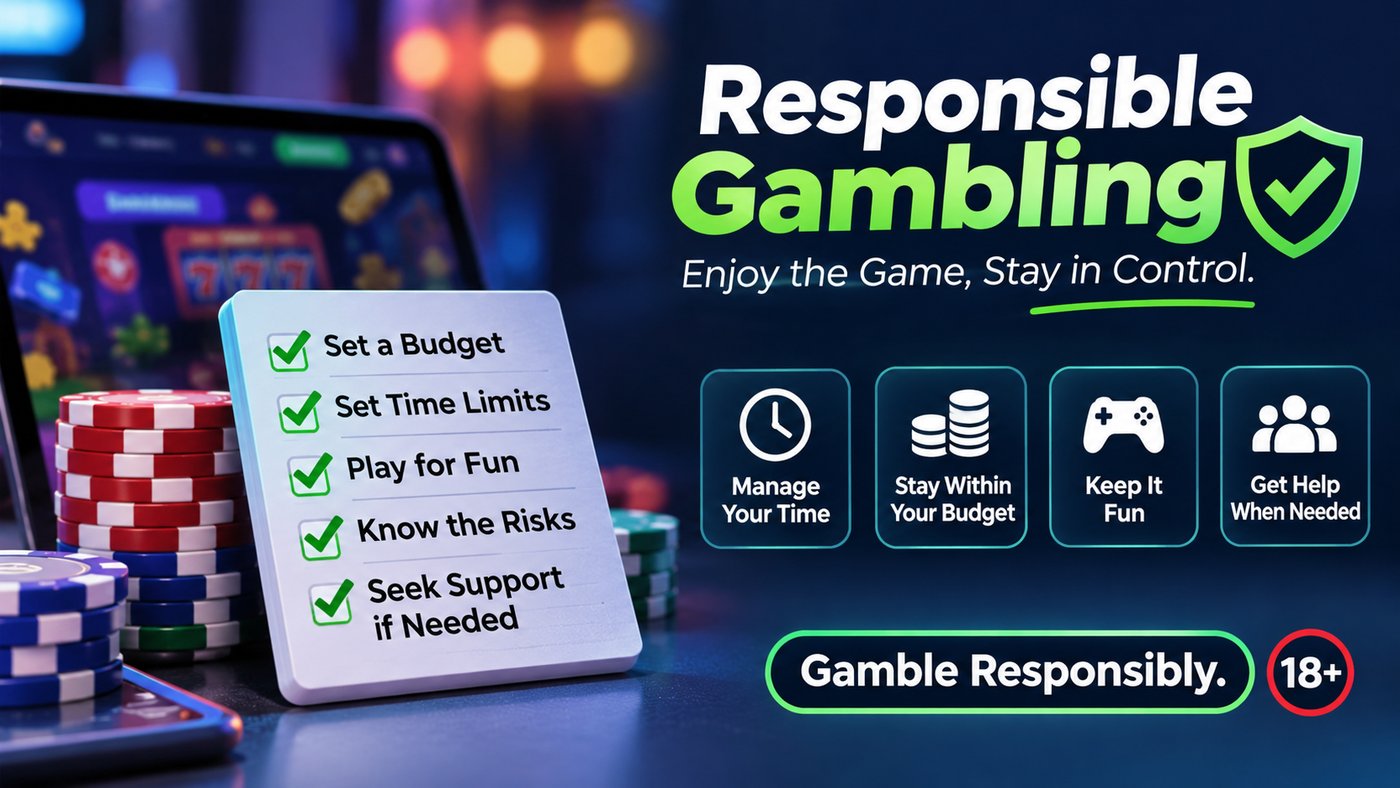
Online gambling has become increasingly accessible through mobile applications, websites, sports betting services, and other digital platforms. While gambling is legal and regulated in certain jurisdictions, its accessibility creates important concerns about financial losses, addictive behaviour, consumer protection, and the responsibilities of gambling operators.
For individuals, gambling-related harm can affect personal finances, emotional wellbeing, employment, and relationships. For businesses operating in regulated gambling markets, protecting customers requires more than displaying a warning message or publishing general terms and conditions.
This is where responsible gambling policies and harm prevention measures become important.
Responsible gambling refers to practices intended to reduce gambling-related risks, support informed decisions, and provide meaningful protections for people who may experience harm.
These measures include financial limits, age verification, self-exclusion, restrictions on advertising, monitoring of risky behaviour, and access to professional support.
However, an important distinction must be made: no gambling activity is entirely risk-free, and individual responsibility alone cannot prevent every form of harm.
Operators, regulators, marketing affiliates, and technology providers also have responsibilities to establish effective safeguards.
Resources covering responsible gambling help explain how player protection policies, self-exclusion systems, and compliance requirements apply to online gambling environments.
This guide explores seven essential player protection measures, the warning signs of problematic gambling, the responsibilities of iGaming businesses, and practical ways to reduce the likelihood and severity of gambling-related harm.
What Is Responsible Gambling?
Responsible gambling describes policies, safeguards, and behaviours intended to reduce the potential negative consequences associated with gambling activities.
The concept applies to traditional gambling venues, licensed online casinos, sports betting platforms, and other regulated services.
Historically, many responsible gaming campaigns focused on encouraging individuals to make careful choices.
However, public health research increasingly emphasizes that effective prevention also depends on product design, advertising restrictions, mandatory protections, and regulatory oversight.
Understanding Gambling-Related Harm
Gambling-related harm can occur when gambling negatively affects a person’s finances, wellbeing, relationships, or everyday responsibilities.
It does not always involve a diagnosed gambling disorder.
For example, someone may experience financial stress after spending money intended for essential household expenses.
Another person may face relationship difficulties because they conceal gambling activity from family members.
These situations can occur before someone meets the clinical criteria for gambling disorder.
Why Player Protection Matters
Digital gambling services can be available at any time.
Continuous access, rapid betting cycles, promotional notifications, and convenient payment methods can contribute to harmful patterns.
Effective protection policies aim to identify and reduce these risks.
Responsible Gambling Versus Safer Gambling
The terms responsible gambling and safer gambling are often used interchangeably.
However, safer gambling places greater emphasis on reducing risk rather than suggesting that gambling can be made completely safe.
Many public health specialists prefer the term gambling harm prevention because it acknowledges the wider responsibilities of operators and regulators.
Why Responsible Gambling Is Important
Gambling-related problems can affect individuals, families, businesses, and communities.
The World Health Organization recognizes gambling harm as a significant public health concern.
Financial Protection
Excessive gambling expenditure can affect a person’s ability to pay for housing, food, transport, healthcare, and other necessities.
Financial safeguards aim to reduce the likelihood of such losses.
Mental Wellbeing
Problematic gambling can be associated with anxiety, depression, stress, and other mental health difficulties.
Individuals experiencing these problems may benefit from professional assessment and support.
Family Relationships
Financial secrecy, broken promises, and repeated gambling-related conflict can place pressure on families.
Workplace Responsibilities
Gambling problems may interfere with concentration, attendance, and professional responsibilities.
Protection of Vulnerable Individuals
Some people may be particularly vulnerable because of age, financial circumstances, or existing difficulties with gambling.
Effective safeguards should account for different levels of risk.
Regulatory Accountability
Gambling operators in regulated jurisdictions must comply with applicable licensing and consumer protection requirements.
Failure to meet these obligations can result in enforcement measures.
Seven Essential Responsible Gambling Measures
Player protection requires several complementary safeguards rather than one universal solution.
1. Establish Effective Financial Limits
Financial limits can help restrict the amount of money made available for gambling.
These measures are most useful when they are established before losses occur.
Deposit Limits
Deposit limits restrict how much money can be added to a gambling account during a specified period.
Depending on the jurisdiction and platform, users may be able to establish daily, weekly, or monthly restrictions.
Loss Limits
Loss limits can restrict eligible gambling losses according to the operator’s rules.
They are different from deposit limits and may use different calculations.
Spending Controls
Account-based controls can help users monitor expenditure and avoid exceeding established restrictions.
Binding Restrictions
Stronger safeguards may prevent users from increasing limits immediately.
Some regulatory frameworks require waiting periods before higher limits become effective.
Important Limitations
Financial limits do not guarantee that a person will avoid harm.
Someone experiencing repeated loss of control may need to stop gambling entirely and seek additional support.
2. Provide Meaningful Self-Exclusion Options
Self-exclusion allows a person to restrict their access to gambling services.
It is particularly relevant when someone finds it difficult to stop gambling voluntarily.
Operator-Level Self-Exclusion
An individual may request exclusion from a specific licensed platform.
The operator is then expected to enforce the restriction according to its regulatory obligations.
Multi-Operator Exclusion
Some jurisdictions operate centralized schemes covering several licensed providers.
For example, GAMSTOP provides online gambling self-exclusion across participating licensed operators in Great Britain.
Australia’s BetStop Register
BetStop allows eligible individuals to exclude themselves from Australian licensed online and telephone wagering services.
The Australian Government describes exclusion periods ranging from three months to a lifetime.
Supporting Restrictions
Self-exclusion may work better alongside bank gambling blocks, advertising restrictions, and appropriate support services.
Preventing Circumvention
Operators must implement relevant controls to prevent excluded users from bypassing restrictions.
However, the reach of exclusion schemes depends on the jurisdiction and participating services.
3. Recognize Problem Gambling Warning Signs
Early recognition can help individuals and support services respond before difficulties become more severe.
Problematic gambling does not always look the same for everyone.
Chasing Losses
Chasing losses occurs when someone continues gambling in an attempt to recover money already lost.
This can lead to further financial harm.
Increasing Gambling Expenditure
A person may begin spending progressively larger amounts despite negative consequences.
Concealing Gambling Activity
Hiding transactions, deleting records, or lying about gambling can indicate difficulties.
Borrowing Money to Gamble
Using loans, credit, or money intended for essential expenses to fund gambling is a serious warning sign.
Neglecting Responsibilities
Gambling may interfere with family commitments, work, studies, or other important activities.
Emotional Distress
Anxiety, irritability, guilt, and persistent thoughts about gambling can be associated with gambling problems.
Recognizing these warning signs should lead to supportive action rather than blame.
4. Improve Age Verification and Identity Protection
Protecting children and underage individuals is an essential responsibility of regulated gambling services.
Operators must establish procedures appropriate to their licensing requirements.
Age Verification
Platforms may need to verify that customers meet the applicable legal age before allowing gambling activity.
Identity Checks
Identity verification may involve reviewing relevant personal information through approved procedures.
Preventing Underage Access
Operators should not knowingly permit children to access age-restricted gambling products.
Privacy Protection
Verification processes must also protect personal information.
Sensitive identity documents should be processed and retained only according to appropriate requirements.
Marketing Restrictions
Advertising should not target children or use messaging designed to appeal primarily to underage audiences.
The applicable minimum gambling age varies by jurisdiction and product.
5. Make Gambling Information Transparent
Consumers need accurate information about gambling products and associated financial risks.
Misleading descriptions can undermine informed decision-making.
Explain Game Rules
Operators should provide understandable explanations of relevant game mechanics.
Disclose Applicable Odds
Where required, customers should receive accurate information about probabilities, payouts, and related conditions.
Explain Return-to-Player Information
Certain gambling products display theoretical return-to-player percentages.
These figures describe statistical expectations across large numbers of plays, not guaranteed returns for individuals.
Clarify Promotional Conditions
Bonuses, incentives, and other promotions should include relevant restrictions and requirements.
Avoid Misleading Claims
Gambling should not be presented as a reliable way to earn income or solve financial problems.
Clear communication helps people understand risks, although information alone is not sufficient to prevent harm.
6. Use Monitoring and Early Intervention
Licensed gambling operators may be required to identify and respond to indicators of gambling harm.
Modern platforms can analyze relevant account activity to support these processes.
Identify Unusual Spending
Sudden increases in deposits or losses may warrant review.
Monitor Repeated Sessions
Extended or unusually frequent activity can provide additional context.
Examine Customer Communication
Statements indicating distress or loss of control may require appropriate intervention.
Apply Proportionate Safeguards
Depending on the applicable rules and circumstances, intervention may involve communication, restrictions, or account suspension.
Human Oversight
Automated monitoring should not replace trained professionals making important decisions.
Respect Data Protection
Monitoring must follow relevant privacy and security obligations.
Predictive systems can help identify patterns, but they cannot reliably determine every individual’s level of risk.
7. Provide Accessible Support and Treatment Information
An effective harm prevention framework should make assistance easy to access.
Individuals experiencing difficulties should not need to search extensively for help.
Confidential Support
Support services can provide information without requiring public disclosure.
Professional Counselling
Qualified professionals can help individuals address harmful gambling behaviour.
Financial Counselling
Financial advisers or specialist counsellors may help people understand debt and payment obligations.
Family Support
Relatives and partners affected by gambling problems may also require assistance.
Self-Assessment Resources
Validated screening tools can help identify possible warning signs.
However, online questionnaires should not replace professional diagnosis.
Accessible Communication
Support information should be easy to understand and appropriate to the intended audience.
Genuine player protection involves practical assistance, not merely promotional statements.
Exploring Affnook’s Responsible Gaming Resources
Affnook publishes educational content about responsible gaming, gambling regulation, iGaming compliance, and consumer protection.
The company operates an affiliate marketing technology platform serving gambling industry operators, brands, and affiliate networks.
Its business is distinct from operating a consumer gambling website.
Affnook describes services involving affiliate management, attribution tracking, campaign reporting, fraud detection, and integrations.
Responsible Gaming Education
Affnook’s responsible gaming materials explain core player protection concepts.
These include self-exclusion, financial restrictions, age verification, and access to support services.
Gambling Compliance Information
The company publishes guidance about regulatory responsibilities in different markets.
Such resources may help industry professionals identify issues requiring further review.
However, regulatory obligations must be verified against applicable official rules.
Affiliate Marketing Oversight
Affnook’s platform includes tools intended to help operators monitor affiliate relationships and campaign activity.
Affiliate marketing oversight matters because gambling promotions can create risks when advertising restrictions or exclusion requirements are ignored.
Affiliate Audit Features
The company has described an Affiliate Audit System designed to identify unauthorized or outdated tracking links and improve oversight of affiliate campaign activity.
These capabilities may support internal marketing controls.
However, they should not be confused with comprehensive player protection systems or independent regulatory certification.
Important Distinction
Affnook is an affiliate management technology provider.
Its educational responsible gaming content does not mean the company directly provides counselling, operates self-exclusion registers, or guarantees regulatory compliance for its customers.
Operators remain responsible for meeting applicable legal obligations.
The Responsibilities of Online Gambling Operators
Responsible gambling cannot depend exclusively on individuals setting personal limits.
Operators have important duties to reduce harm.
Maintain Appropriate Licensing
Businesses must understand whether gambling is permitted in the jurisdictions where they operate.
Applicable licensing requirements vary.
Verify Customer Eligibility
Age and identity verification should follow relevant rules.
Provide Effective Account Controls
Financial restrictions, self-exclusion, and other required protections should function as advertised.
Review Risk Indicators
Where required, operators should assess customer activity and take appropriate action when risk indicators appear.
Handle Customer Complaints
Clear complaint procedures allow individuals to raise concerns about account restrictions, payments, or other issues.
Protect Personal Data
Gambling platforms process sensitive financial and personal information.
Appropriate cybersecurity and privacy controls are essential.
Maintain Audit Records
Operators may need to document decisions, interventions, and compliance activities.
Avoid Harmful Marketing
Advertising should comply with applicable restrictions and must not exploit vulnerable audiences.
A credible prevention program requires ongoing operational accountability.
Responsible Gambling and Affiliate Marketing
Affiliate marketing is widely used across digital industries.
In regulated gambling markets, it creates additional consumer protection responsibilities.
Affiliates may publish informational websites, advertising content, comparison pages, or other promotional materials.
However, the operator’s regulatory obligations do not necessarily disappear when marketing activities are delegated.
Accurate Promotional Claims
Affiliate content should avoid misleading statements about financial outcomes.
Clear Advertising Disclosures
Commercial relationships should be disclosed when applicable.
Age-Appropriate Advertising
Promotional content must follow relevant restrictions involving minors.
Geographic Compliance
Advertising permitted in one jurisdiction may be prohibited or restricted in another.
Responsible Gaming Information
Required warnings and support information should be presented appropriately.
Excluded Customers
Operators should ensure that relevant marketing suppression obligations are respected.
Affiliate Monitoring
Businesses may use suitable software to identify unauthorized campaigns or breaches of advertising policies.
A monitoring platform can support oversight, but it does not replace legal review or regulatory responsibility.
The Role of Gambling Regulators
Gambling regulation differs significantly between jurisdictions.
Regulators may establish rules governing licensing, advertising, consumer protection, and gambling products.
United Kingdom
The UK Gambling Commission oversees regulated gambling within Great Britain.
It publishes guidance addressing self-exclusion, customer protection, safer gambling controls, and operator responsibilities.
Australia
Australia uses a combination of federal and state or territory regulation.
The national BetStop register covers Australian licensed online and telephone wagering services.
Other gambling activities may be subject to separate rules and exclusion systems.
European Markets
Different European jurisdictions have their own gambling laws and regulatory authorities.
Operators should not assume that one country’s licence authorizes activity throughout Europe.
United States
Legal gambling requirements vary by state and product category.
Consumer protections and permitted activities differ across jurisdictions.
Why Local Compliance Matters
A responsible gambling policy should reflect the actual legal requirements of the market where a service operates.
A general international checklist is not a substitute for jurisdiction-specific legal advice.
How Self-Exclusion Works in Practice
Self-exclusion is intended to create a meaningful barrier between an individual and gambling opportunities.
The exact procedure depends on the provider and jurisdiction.
Step One: Identify the Relevant Service
Determine whether the exclusion applies to one operator, several venues, or a centralized online register.
Step Two: Review Available Periods
Some systems provide fixed exclusion durations.
Others offer longer or indefinite restrictions.
Step Three: Complete the Required Process
The system may request identifying information to help enforce the exclusion.
Step Four: Stop Promotional Contact
Where required, excluded users should no longer receive gambling marketing from covered providers.
Step Five: Consider Additional Barriers
Bank payment restrictions and device-based blocking tools may help reduce access.
Step Six: Seek Support
Professional help can address the financial and emotional factors associated with gambling harm.
Self-exclusion is an important tool, but it is not a guaranteed solution for every person.
Understanding Deposit Limits and Time Controls
Account-based restrictions can help reduce exposure to gambling losses.
However, the effectiveness of these controls depends on their design and enforcement.
Daily Limits
Daily restrictions can prevent expenditure from exceeding a defined amount within the relevant period.
Weekly and Monthly Limits
Longer periods may help prevent repeated short sessions from producing substantial cumulative losses.
Time Reminders
A session reminder can alert a user to how long an activity has continued.
Cooling-Off Periods
Temporary account restrictions can interrupt gambling activity.
Account History
Clear records allow customers to review deposits, withdrawals, and relevant gambling activity.
Mandatory Versus Voluntary Controls
Public health guidance increasingly emphasizes binding safeguards because optional controls may be unused or bypassed.
People who repeatedly find themselves exceeding limits should consider stronger restrictions or complete cessation.
Recognizing Harmful Gambling Behaviour
Gambling-related harm exists on a spectrum.
Some individuals experience occasional financial difficulties.
Others develop persistent patterns involving impaired control.
Loss of Control
Repeatedly attempting to stop without success can indicate a significant problem.
Prioritizing Gambling
Gambling may begin taking precedence over relationships, employment, or other activities.
Continuing Despite Consequences
A person may continue gambling even after experiencing financial or emotional harm.
Financial Secrecy
Hiding debt, loans, or gambling transactions can indicate distress.
Emotional Difficulties
Stress, anxiety, and shame may accompany harmful gambling patterns.
Impact on Other People
Partners, children, relatives, and colleagues may also be affected.
Early professional support can help people understand available options.
Supporting Someone Experiencing Gambling Harm
Friends and family members may notice concerning changes before a person seeks assistance.
A supportive approach can encourage communication.
Discuss Concerns Calmly
Focus on observed consequences rather than making accusations.
Listen Without Judgment
People may feel embarrassed discussing gambling-related problems.
Encourage Professional Help
Qualified support services can provide practical guidance.
Protect Shared Finances
Where necessary, families may need advice about joint accounts, debts, and essential expenses.
Avoid Funding Further Gambling
Providing additional money for gambling can worsen financial problems.
Establish Boundaries
Family members can offer support while protecting their own wellbeing.
Seek Support for Yourself
People affected by another person’s gambling can also use counselling and financial support services.
Responsibility for resolving gambling harm should not fall entirely on family members.
Where to Find Gambling Support
Several established services provide information or assistance in supported jurisdictions.
Australia
The National Gambling Helpline operates on 1800 858 858 and offers free confidential assistance.
Gambling Help Online provides online counselling and self-help resources.
BetStop offers a national exclusion register for eligible online and telephone wagering services.
Great Britain
GAMSTOP provides self-exclusion for covered online gambling operators.
The UK Gambling Commission also publishes information about gambling controls and support options.
The National Gambling Helpline is available in England and Scotland through 0808 8020 133.
Other Countries
Support arrangements vary internationally.
Individuals should use appropriately qualified services within their own country.
If gambling-related distress creates an immediate safety concern, contact local emergency or crisis support services.
How Technology Can Support Harm Prevention
Digital technology can help operators implement certain protections.
However, technological sophistication does not automatically create better outcomes.
Automated Limit Enforcement
Systems can prevent transactions that exceed applicable restrictions.
Account Monitoring
Relevant behavioural information may help identify risk indicators.
Marketing Suppression
Operators can use appropriately configured systems to restrict promotional communication to excluded individuals.
Identity Verification
Supported identity systems can help enforce age restrictions.
Audit Reporting
Compliance teams can review relevant actions and incidents.
Privacy Controls
Access restrictions and retention policies can help protect sensitive customer information.
Independent Evaluation
Protection tools should be assessed according to actual effectiveness rather than simply whether the feature exists.
Technology is most useful when supported by clear policies and accountable human oversight.
Common Responsible Gambling Mistakes
Several misconceptions can interfere with effective harm prevention.
Believing Financial Limits Eliminate Risk
Limits may reduce exposure but cannot guarantee safety.
Treating Gambling as an Income Strategy
Gambling should not be relied upon to cover living expenses or repay debt.
Chasing Previous Losses
Attempting to recover losses through further gambling can create additional harm.
Ignoring Warning Signs
Financial secrecy, distress, and repeated failed attempts to stop deserve attention.
Assuming Unlicensed Sites Offer Equal Protection
Unregulated providers may lack important consumer safeguards.
Relying Exclusively on Warning Messages
Information alone cannot replace enforceable protections and appropriate intervention.
Treating Compliance as a One-Time Exercise
Regulations and operational risks change over time.
Blaming Individuals for Every Harmful Outcome
Effective prevention requires attention to product design, marketing practices, and operator responsibilities.
How Operators Can Build a Stronger Player Protection Framework
A practical harm prevention program requires coordinated responsibilities.
Establish Governance
Assign clear responsibility for player protection policies.
Review Applicable Laws
Identify licensing requirements in each relevant jurisdiction.
Implement Financial Safeguards
Provide required deposit, loss, and other applicable restrictions.
Support Self-Exclusion
Ensure that exclusion systems work and relevant restrictions are enforced.
Train Customer Support Teams
Staff should understand how to respond appropriately to indicators of harm.
Monitor Relevant Activity
Use proportionate, privacy-conscious processes for identifying potential problems.
Control Marketing
Review advertising, affiliate activity, and promotional communications.
Record Interventions
Maintain relevant compliance documentation.
Evaluate Outcomes
Assess whether safeguards reduce harmful behaviour rather than simply satisfy internal checklists.
Improve Continuously
Update procedures in response to evidence, complaints, and regulatory changes.
The most effective approach places customer wellbeing at the centre of operational decisions.
The Future of Responsible Gambling
Gambling harm prevention is receiving increasing attention from regulators, public health researchers, consumer protection organizations, and technology providers.
A major development is the movement toward more comprehensive consumer safeguards.
Rather than depending entirely on voluntary personal choices, some regulatory approaches emphasize binding limits, stronger advertising restrictions, and early intervention.
Artificial intelligence may help identify behavioural patterns associated with potential harm.
However, automated systems require careful validation and human oversight.
Privacy protection will also remain important because monitoring systems may process sensitive information about financial activity and personal behaviour.
Affiliate marketing oversight is another growing area of concern.
Operators need to understand how promotional messages reach audiences and whether marketing activity complies with applicable restrictions.
Technology providers such as Affnook offer tools for managing and reviewing affiliate operations, while regulators and support organizations address the broader consumer protection framework.
Nevertheless, effective gambling harm prevention cannot be reduced to software features alone.
Meaningful progress requires enforceable policies, independent evidence, accessible treatment, and accountability across the gambling industry.
Frequently Asked Questions
What is responsible gambling?
Responsible gambling refers to policies and practices intended to reduce gambling-related harm. These include financial limits, self-exclusion, age verification, accurate consumer information, and access to support services.
What are the warning signs of problem gambling?
Warning signs can include chasing losses, borrowing money to gamble, concealing gambling activity, repeated unsuccessful attempts to stop, and continuing despite financial or personal consequences.
How does self-exclusion help?
Self-exclusion restricts access to participating gambling services for a specified period. It can create an additional barrier to gambling, especially when combined with financial controls and professional support.
Are deposit limits enough to prevent gambling addiction?
No. Deposit limits can reduce certain risks, but they cannot eliminate gambling harm or guarantee control. People experiencing difficulties may benefit from stronger restrictions and professional assistance.
What is Affnook’s role in responsible gaming?
Affnook provides iGaming affiliate management technology and publishes responsible gaming educational resources. Its tools support affiliate oversight and campaign management, but it is not a gambling counselling service or national self-exclusion provider.
Where can someone get help for gambling problems?
People can contact qualified gambling support services in their country. In Australia, the National Gambling Helpline offers assistance on 1800 858 858. Other jurisdictions provide their own helplines, counselling services, and exclusion programs.
Conclusion
Responsible gambling is an essential part of reducing the financial, emotional, and social consequences associated with gambling activities.
Effective protection requires more than encouraging individuals to make careful decisions.
Regulated operators must establish appropriate safeguards, including financial restrictions, self-exclusion, age verification, transparent information, and meaningful intervention procedures.
Consumers also need accessible support when gambling begins affecting their wellbeing or daily responsibilities.
Educational resources published by Affnook explain important responsible gaming principles and the responsibilities of gambling operators and marketing affiliates.
However, no platform, policy, or technology can make gambling completely risk-free.
Long-term harm prevention depends on strong regulation, evidence-based interventions, responsible marketing, and accessible professional assistance.
By prioritizing consumer wellbeing and accountability, organizations can contribute to better protection for individuals, families, and communities.
