
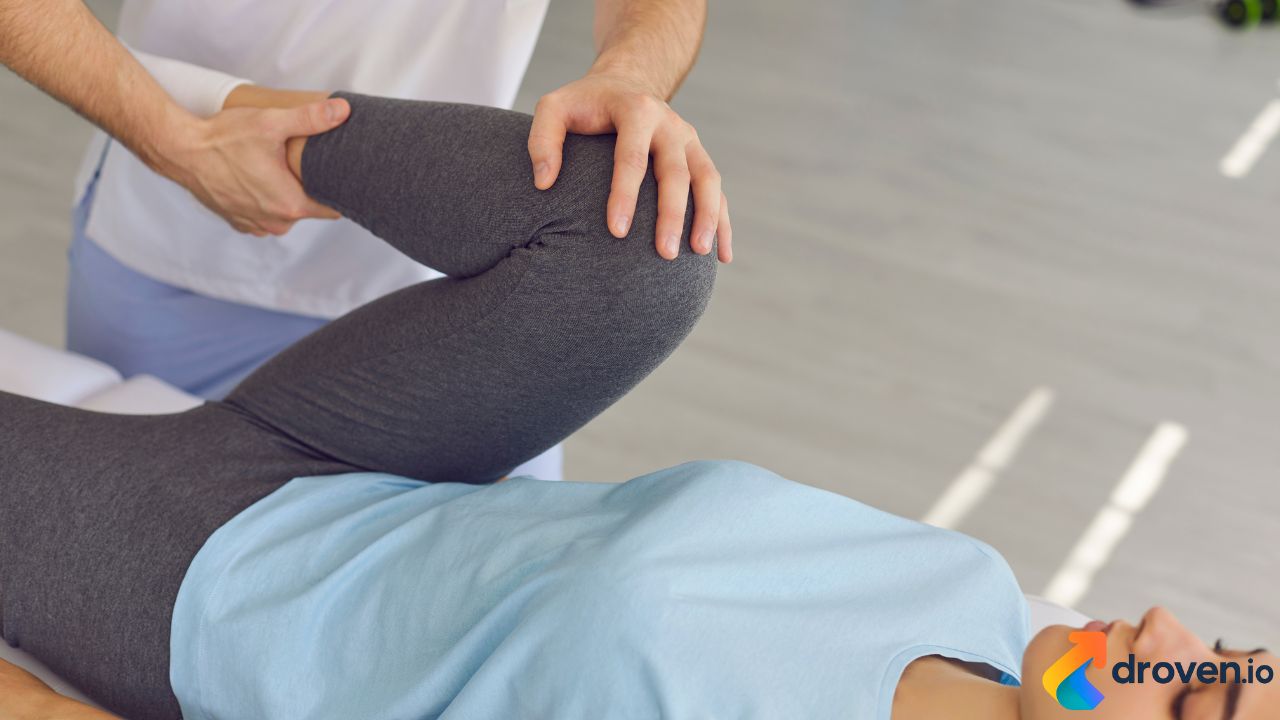
Pelvic floor muscle training (PFMT) is one of the most practical, low-cost, and evidence-supported ways to improve pelvic health. It is often associated with Kegel exercises, but effective PFMT is broader than “squeeze and hold.” A well-designed program develops strength, endurance, coordination, and the ability to relax—because pelvic floor muscles need both power and flexibility to work normally.
Clinical guidelines and professional bodies consistently position PFMT as a first-line conservative option for common pelvic floor problems, especially urinary incontinence. For example, NICE recommends a supervised program of pelvic floor muscle training for at least 3 months for women (including pregnant women) with stress urinary incontinence or mixed urinary incontinence.
This article explains what PFMT is, who it helps, how to do it correctly, what a realistic training plan looks like, and when you should involve a pelvic health professional.
What Is Pelvic Floor Muscle Training?
Pelvic floor muscle training is a structured approach to improving the function of the pelvic floor muscles—muscles that form a supportive “sling” at the base of the pelvis. These muscles support pelvic organs, contribute to continence (bladder and bowel control), and play a role in sexual function and core stability.
PFMT can include:
- Correct muscle identification and activation
- Strength training (stronger contractions)
- Endurance training (holding contractions longer)
- Fast-response training (quick contractions for cough/sneeze/lifting)
- Relaxation and “down-training” when muscles are overactive or tight
PFMT is used in many contexts, including urinary leakage, pelvic organ prolapse symptoms, postpartum recovery, and male incontinence after prostate treatment.
Pelvic Floor Muscles: What They Do and Why They Matter
The pelvic floor works like a coordinated system rather than a single muscle. In day-to-day life, it must:
- Support pelvic organs against gravity and pressure
- Tighten quickly to prevent leaks during a cough, laugh, sneeze, or jump
- Relax to allow normal urination and bowel movements
- Coordinate with the diaphragm, deep abdominal muscles, and posture
When this system is not working well, symptoms often show up in predictable ways.
Signs You Might Benefit From Pelvic Floor Muscle Training
You do not need to wait for severe symptoms before starting pelvic floor care, but PFMT is particularly relevant if you experience:
Bladder-related symptoms
- Leaking urine when coughing, sneezing, exercising, or lifting (stress incontinence)
- Leaking plus urgency (mixed incontinence)
- Difficulty controlling urgency or small leaks with movement (often multifactorial)
Pelvic organ support symptoms
- A heaviness, pressure, or bulge sensation in the vagina (possible pelvic organ prolapse)
- Worsening heaviness later in the day or with prolonged standing
ACOG notes pelvic floor exercises (Kegels) may improve incontinence and may slow progression of pelvic organ prolapse.
Postpartum changes
- Weakness or reduced “support” sensation after pregnancy/birth
- Difficulty with control during coughing/laughing in the early postpartum months
NICE specifically includes pregnant women in its recommendation for a supervised PFMT program for stress or mixed urinary incontinence.
Men’s pelvic health
- Urinary leakage after prostate treatment
The American Urological Association guideline recommends clinicians offer pelvic floor muscle exercises or pelvic floor muscle training for incontinence after radical prostatectomy.
Important: Not All Pelvic Floor Problems Are “Weakness”
A common misconception is that every pelvic floor issue needs more strengthening. Some people have overactive (hypertonic) pelvic floor muscles, meaning the muscles are too tense and do not relax properly.
Cleveland Clinic describes hypertonic pelvic floor as pelvic muscles that are continuously contracting, which can cause pain and difficulty with urination, bowel movements, and sexual function; physical therapy is highlighted as an effective treatment.
NHS pelvic health materials also describe “pelvic floor down-training” (learning to relax and control the pelvic floor) as a key approach for overactive pelvic floor muscles.
When strengthening-only PFMT may be the wrong direction
Consider professional assessment first if you have:
- Pelvic pain (constant or with intercourse)
- Difficulty starting urine flow or fully emptying
- Pain with bowel movements or chronic constipation linked with straining
- A sensation of tightness/spasm rather than weakness
- Symptoms that worsen when you do Kegels
In these cases, the priority may be relaxation, breathing strategies, and coordination—not more squeezing.
What PFMT Helps With (Evidence and Guideline Direction)
PFMT is widely used for:
Stress urinary incontinence and mixed urinary incontinence (women)
NICE recommends supervised PFMT for at least 3 months for women with stress or mixed urinary incontinence.
Pelvic floor dysfunction symptoms (women)
A BMJ clinical review describes pelvic floor muscle training as an effective option to treat symptoms of pelvic floor dysfunction in women with pelvic organ prolapse, urinary incontinence, and fecal incontinence.
Pelvic organ prolapse support (women)
ACOG states that pelvic floor exercises (Kegels) may improve incontinence and may slow progression of pelvic organ prolapse, and notes that a healthcare professional or physical therapist can help ensure correct technique.
Post-prostate treatment incontinence (men)
AUA guidance recommends offering pelvic floor muscle exercises/training for incontinence after radical prostatectomy.
How to Do Pelvic Floor Muscle Training Correctly
Correct technique matters more than intensity. Many people accidentally use the wrong muscles (glutes, inner thighs, or abdominals) or hold their breath, which reduces effectiveness.
Step 1: Identify the right muscles
A practical cue from NHS guidance is to imagine trying to stop yourself from passing wind and peeing (without actually doing it midstream as an exercise).
You should feel a subtle “squeeze and lift” sensation internally—like drawing the pelvic openings upward.
Step 2: Set your body position
Start in an easier position:
- Lying on your back with knees bent
- Side-lying
- Sitting upright
As control improves, you can progress to standing and then to movement-based tasks.
Step 3: Breathe normally and keep the rest relaxed
NHS guidance emphasizes breathing normally and relaxing while doing pelvic floor exercises.
Avoid:
- Holding your breath
- Bracing your abdomen hard
- Squeezing your buttocks or thighs
Step 4: Train both “quick squeezes” and “long holds”
Many pelvic health programs include two types of contractions:
Quick squeezes (power + fast response):
- Tighten quickly
- Hold briefly (for example, about 2 seconds to start)
- Fully relax
NHS guidance includes quick squeezes and gradual progression of hold time.
Long holds (endurance):
- Tighten and lift
- Hold as long as you can with good form (work toward 10 seconds)
- Fully relax
The NHS also notes you may need to do exercises for a few months before seeing benefits, reinforcing the need for consistency.
Step 5: Fully relax between reps
Relaxation is not optional. Muscles strengthen during rest. Also, if you never allow full relaxation, you can drift toward overactivity and discomfort.
A Simple, Structured PFMT Plan You Can Start With
A common evidence-informed approach is:
- 10 quick squeezes
- 10 long holds (building toward ~10 seconds each)
- Repeat up to 3 times per day
This style aligns with multiple NHS pelvic floor exercise leaflets that target building toward 10 long squeezes and 10 short squeezes, typically repeated daily.
How long should you try PFMT before judging results?
NICE recommends supervised PFMT for at least 3 months in relevant urinary incontinence presentations.
NHS guidance also notes benefits may take a few months.
That time horizon is important for expectations. PFMT is training, not a quick fix.
Common PFMT Mistakes That Reduce Results
Doing exercises while urinating
Some people try to “practice” by stopping urine midstream. NHS patient guidance explicitly advises not to exercise by stopping urine flow midstream because it can affect normal bladder function.
(Using the sensation as a one-time identification cue is different than repeatedly doing it as training.)
Holding your breath or “bearing down”
If you hold your breath and push downward, you increase abdominal pressure and may worsen symptoms—especially leakage and prolapse sensations. Train with steady breathing and an upward lift.
Over-recruiting the wrong muscles
If your buttocks clench hard or your thighs squeeze, you are compensating. Reduce intensity and refocus on an internal lift.
Only training one “speed”
Real life requires both endurance (sustained support) and fast response (cough/sneeze). That is why many programs use both quick and long contractions.
Overdoing it
More is not always better—especially if you start experiencing pelvic pain, increased urgency, or difficulty emptying. Overactive pelvic floor issues are real and may require down-training.
Functional PFMT: Making Your Pelvic Floor Work in Real Life
Once you can activate the pelvic floor correctly in a calm position, the next step is to integrate it into daily tasks.
“The Knack” for leaks with cough/sneeze/lift
Some NHS materials describe a technique sometimes called “The knack”: squeezing the pelvic floor before coughing or sneezing to help reduce leakage.
This is not about constant clenching all day. It is about timing—using a brief contraction right before a pressure spike.
Movement-based progression
Progress your training gradually:
- Lying down
- Sitting
- Standing
- Squats, lunges, lifting, stairs (light load first)
- Higher-impact tasks if relevant (running, jumping)
If symptoms worsen with progression, that is a signal to reassess technique or seek pelvic health support.
Pregnancy and Postpartum PFMT Considerations
Pelvic floor demands change during pregnancy and after birth. Symptoms can begin during pregnancy and persist postpartum. NICE notes that pelvic floor dysfunction that begins before or during pregnancy may worsen during pregnancy and may persist after.
Practical considerations:
- Start gently, prioritize correct technique
- If you had significant perineal trauma, severe pain, or ongoing heaviness/bulge symptoms, get assessed before pushing intensity
- Postpartum recovery is not one-size-fits-all; a pelvic health physiotherapist can individualize progression
PFMT for Men: When It Is Commonly Used
Men also benefit from pelvic floor training, particularly related to urinary symptoms.
AUA guidance recommends clinicians offer pelvic floor muscle exercises/training to patients seeking treatment for incontinence after radical prostatectomy.
Men may also work on pelvic floor coordination for:
- Post-surgery recovery
- Urinary control improvements
- Core stability related to lifting and functional movement (case dependent)
Because male pelvic floor issues can involve both weakness and overactivity, proper assessment can prevent “wrong-direction” training.
When to See a Pelvic Health Professional
You should strongly consider professional support if:
- You have pelvic pain, painful sex, or persistent discomfort
- You have difficulty emptying your bladder or bowels
- You have worsening urgency/frequency after starting Kegels
- You suspect prolapse (pressure/bulge symptoms)
- You do not notice any improvement after consistent training for 3 months
- You want postpartum guidance that matches your specific delivery and symptoms
ACOG notes that a healthcare professional or physical therapist can help ensure you are doing pelvic floor exercises correctly.
PFMT and Safety: Practical Rules
- Train consistently, not aggressively
- Prioritize full relaxation between reps
- Do not use midstream urine stopping as your workout method
- Stop and seek help if training increases pain, urinary retention, or pelvic pressure
- If you have significant symptoms, get an assessment rather than guessing whether you need strengthening or down-training
FAQs
What is pelvic floor muscle training?
Pelvic floor muscle training is a structured exercise program designed to improve pelvic floor muscle function—strength, endurance, coordination, and (when needed) relaxation—supporting bladder/bowel control and pelvic organ support.
Are Kegels the same as pelvic floor muscle training?
Kegels are a common type of pelvic floor contraction exercise, but PFMT is broader. Effective PFMT usually includes both fast and sustained contractions, functional timing (like bracing before a cough), and ensuring the muscles can fully relax.
How long does it take for PFMT to work?
It commonly takes weeks to months. NHS guidance notes you may need to do pelvic floor exercises for a few months before benefits appear, and NICE recommends a supervised PFMT program for at least 3 months in stress or mixed urinary incontinence.
How many pelvic floor exercises should I do per day?
Many standard programs use both quick squeezes and long holds and build toward sets such as up to 10 long squeezes and 10 short squeezes, repeated daily. Exact volume varies by person and symptoms, so personalization helps.
Should I practice Kegels while peeing to make sure I am doing them right?
Routine “training” by stopping urine midstream is not recommended. NHS guidance cautions against exercising this way because it can affect normal bladder function.
Can pelvic floor exercises make symptoms worse?
Yes, if your pelvic floor is overactive/hypertonic, strengthening-only exercises can aggravate symptoms. Hypertonic pelvic floor can involve pain and difficulty with urination/bowel movements, and NHS resources describe down-training (relaxation-based therapy) as a key treatment approach.
Is PFMT only for women?
No. Men can also benefit, particularly for urinary incontinence after prostate treatment. AUA guidelines recommend offering pelvic floor muscle exercises/training in that setting.
When should I see a pelvic floor physiotherapist?
If you have pain, suspected prolapse symptoms, difficulty emptying, persistent leakage, or no improvement after consistent training (often around 3 months), a pelvic health professional can assess whether you need strengthening, coordination work, or down-training.
