
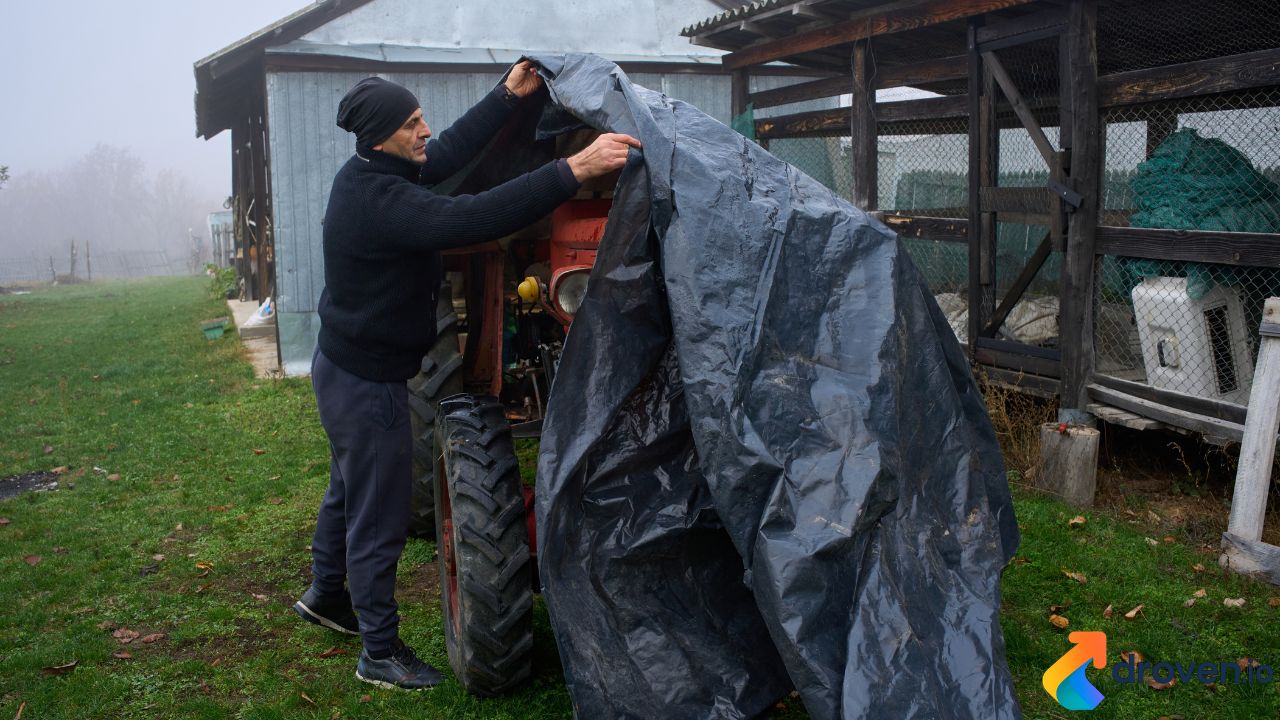
Tarps are widely used for covering and protecting materials from weather, dust, and environmental exposure. However, not all tarps function the same way. Traditional waterproof tarps can trap moisture underneath, which often leads to mold, mildew, rot, or condensation damage. This is where breathable tarps offer a major advantage.
Breathable tarps are specially designed coverings that allow air and moisture vapor to pass through the fabric while still protecting items from rain, sunlight, debris, and dirt. They are commonly used in agriculture, construction, transportation, landscaping, and residential applications where airflow is important.
Because these tarps balance protection with ventilation, they are ideal for covering materials that must remain dry but also require airflow to prevent trapped moisture.
What Are Breathable Tarps?
Breathable tarps are protective covers made from woven or porous materials that allow air circulation while still providing protection from the elements. Unlike solid plastic tarps that completely seal surfaces, breathable tarps prevent moisture buildup by allowing humidity and condensation to escape.
Most breathable tarps are made using:
- Woven polypropylene
- Mesh fabric
- Canvas or cotton materials
- Specialty breathable synthetic fabrics
These materials create small gaps or porous surfaces that allow air to move through the tarp while still shielding the covered object from excessive rain or sun exposure.
Breathable tarps are often used when moisture buildup could damage the materials being covered.
How Breathable Tarps Work
The primary difference between breathable and non-breathable tarps lies in how they manage moisture and airflow.
Airflow
Breathable tarp materials contain microscopic gaps or mesh structures that allow air to circulate around covered items.
This airflow helps prevent condensation buildup that typically occurs under sealed plastic covers.
Moisture Release
Condensation naturally forms when warm air meets cooler surfaces. Breathable tarps allow this moisture vapor to escape instead of trapping it underneath.
Temperature Regulation
By allowing airflow, breathable tarps help maintain more stable temperatures underneath the cover, reducing heat buildup from sunlight.
This makes them especially useful for protecting materials that are sensitive to temperature and humidity changes.
Materials Used in Breathable Tarps
Several materials are commonly used to manufacture breathable tarps. Each material offers different levels of durability, airflow, and weather resistance.
Polypropylene Fabric
Polypropylene is one of the most common materials used for breathable tarps.
Benefits include:
- Lightweight construction
- High durability
- Resistance to mold and mildew
- Good airflow properties
Polypropylene breathable tarps are widely used in construction and agriculture.
Mesh Tarps
Mesh tarps are designed with open-weave fabric that allows maximum airflow.
Common uses include:
- Shade protection
- Truck covers for loose materials
- Wind protection barriers
- Sports field covers
Mesh tarps typically allow a high percentage of air to pass through while still blocking debris and sunlight.
Canvas Tarps
Canvas tarps are made from natural cotton fibers and have been used for decades in many industries.
Advantages include:
- Natural breathability
- High durability
- Resistance to tearing
- Environmentally friendly material
Canvas breathable tarps are often used for equipment storage, camping, and transportation.
Specialty Breathable Fabrics
Some modern breathable tarps use advanced synthetic fabrics designed to balance water resistance with airflow.
These materials are commonly used for:
- Agriculture crop covers
- Industrial material protection
- Outdoor furniture covers
These fabrics provide improved durability while maintaining breathability.
Benefits of Using Breathable Tarps
Breathable tarps provide several advantages compared to standard plastic tarps.
Prevents Moisture Buildup
One of the biggest problems with traditional tarps is trapped moisture.
Breathable tarps allow humidity to escape, which helps prevent:
- Mold growth
- Mildew formation
- Wood rot
- Corrosion on metal surfaces
Protects Temperature-Sensitive Materials
Items like lumber, firewood, and agricultural products can be damaged by excessive heat buildup.
Breathable tarps allow airflow that helps regulate temperature underneath the cover.
Reduces Condensation Damage
Condensation occurs when warm air cools and releases moisture.
By allowing airflow, breathable tarps significantly reduce condensation formation.
Improves Material Longevity
Proper ventilation helps maintain the condition of stored materials for longer periods.
This is especially important for construction materials and agricultural products.
Lightweight and Easy to Handle
Many breathable tarps are lighter than heavy plastic tarps, making them easier to transport and install.
Common Uses for Breathable Tarps
Breathable tarps are used in many industries where ventilation and protection are both necessary.
Firewood Storage
One of the most popular uses for breathable tarps is covering stacked firewood.
Because firewood must dry properly, airtight tarps can trap moisture and cause mold growth.
Breathable tarps allow air circulation while still protecting the wood from rain.
Lumber Protection
Construction lumber must remain dry but also ventilated.
Breathable tarps prevent rain exposure while allowing wood to continue drying naturally.
Agricultural Crop Protection
Farmers often use breathable tarps to cover crops or harvested produce.
Benefits include:
- Protection from excessive sunlight
- Reduced moisture buildup
- Improved airflow for crop preservation
Equipment Covers
Construction equipment and outdoor machinery often require protection from weather.
Breathable tarps help prevent condensation that can lead to rust and corrosion.
Landscaping and Yard Work
Landscapers frequently use breathable tarps for transporting leaves, soil, and mulch while allowing airflow to reduce heat buildup.
Truck and Trailer Covers
Mesh or breathable tarps are commonly used for trucks transporting loose materials such as sand, gravel, or agricultural products.
These tarps help secure materials while allowing airflow during transport.
Breathable Tarps vs Waterproof Tarps
Understanding the difference between breathable and waterproof tarps helps determine which type is best for a specific situation.
Waterproof Tarps
Waterproof tarps are usually made from polyethylene or vinyl and create a complete barrier against water.
Advantages:
- Excellent rain protection
- Strong durability
- Suitable for temporary shelter
Disadvantages:
- Traps moisture
- Causes condensation buildup
- Limited airflow
Breathable Tarps
Breathable tarps allow air movement and moisture escape.
Advantages:
- Prevent condensation
- Allow ventilation
- Protect sensitive materials
Disadvantages:
- May not block heavy rain as effectively as waterproof tarps
Choosing the right tarp depends on whether airflow or full waterproofing is more important.
How to Choose the Right Breathable Tarp
Selecting the right tarp involves several factors depending on the intended application.
Material Type
Choose materials based on durability needs and airflow requirements.
Canvas and polypropylene tarps offer good breathability for many applications.
Size and Coverage
Measure the area or materials that need to be covered.
Tarps should provide adequate coverage without completely sealing off airflow.
Reinforced Edges
Quality breathable tarps often include reinforced edges and grommets for secure installation.
UV Protection
Outdoor tarps should include UV-resistant coatings to prevent sun damage over time.
Weight and Durability
Heavy-duty tarps are better suited for long-term outdoor use, while lightweight tarps may work well for temporary applications.
Maintenance and Care for Breathable Tarps
Proper care extends the lifespan of breathable tarps.
Clean Regularly
Remove dirt, leaves, and debris that may block airflow through the tarp material.
Allow Proper Drying
If a tarp becomes wet, allow it to dry before folding or storing.
Avoid Sharp Edges
Sharp objects can tear breathable fabrics, reducing their effectiveness.
Store Properly
Store tarps in a dry location when not in use to prevent mildew or material deterioration.
Regular maintenance ensures breathable tarps continue to function effectively.
Industrial and Commercial Applications
Breathable tarps are also widely used in commercial environments.
Construction Sites
Contractors use breathable tarps to protect building materials while preventing moisture damage.
Warehouses
Warehouses often use breathable covers for materials stored in partially open environments.
Transportation
Trucking companies use breathable tarps to cover loads while allowing airflow.
Agriculture
Farm operations rely on breathable tarps for crop storage, livestock bedding protection, and equipment covers.
These industries depend on breathable tarps for both protection and ventilation.
Future Trends in Breathable Tarp Technology
Manufacturers continue to improve tarp materials through advanced textile technology.
Emerging trends include:
- Improved UV-resistant fabrics
- Stronger woven synthetic materials
- Eco-friendly recyclable tarp materials
- Multi-layer breathable waterproof fabrics
These innovations aim to improve durability while maintaining the airflow advantages that make breathable tarps useful.
FAQs
What are breathable tarps used for?
Breathable tarps are used to protect materials while allowing airflow. They are commonly used for firewood storage, agriculture, construction materials, and equipment covers.
Are breathable tarps waterproof?
Most breathable tarps are water-resistant rather than fully waterproof because the material allows airflow.
What material is best for breathable tarps?
Common materials include polypropylene fabric, mesh tarps, and canvas tarps.
Do breathable tarps prevent mold?
Yes. Because they allow airflow and moisture to escape, breathable tarps help reduce mold and mildew formation.
Can breathable tarps be used outdoors?
Yes. Many breathable tarps are designed for outdoor use and include UV-resistant materials for long-term exposure.
