
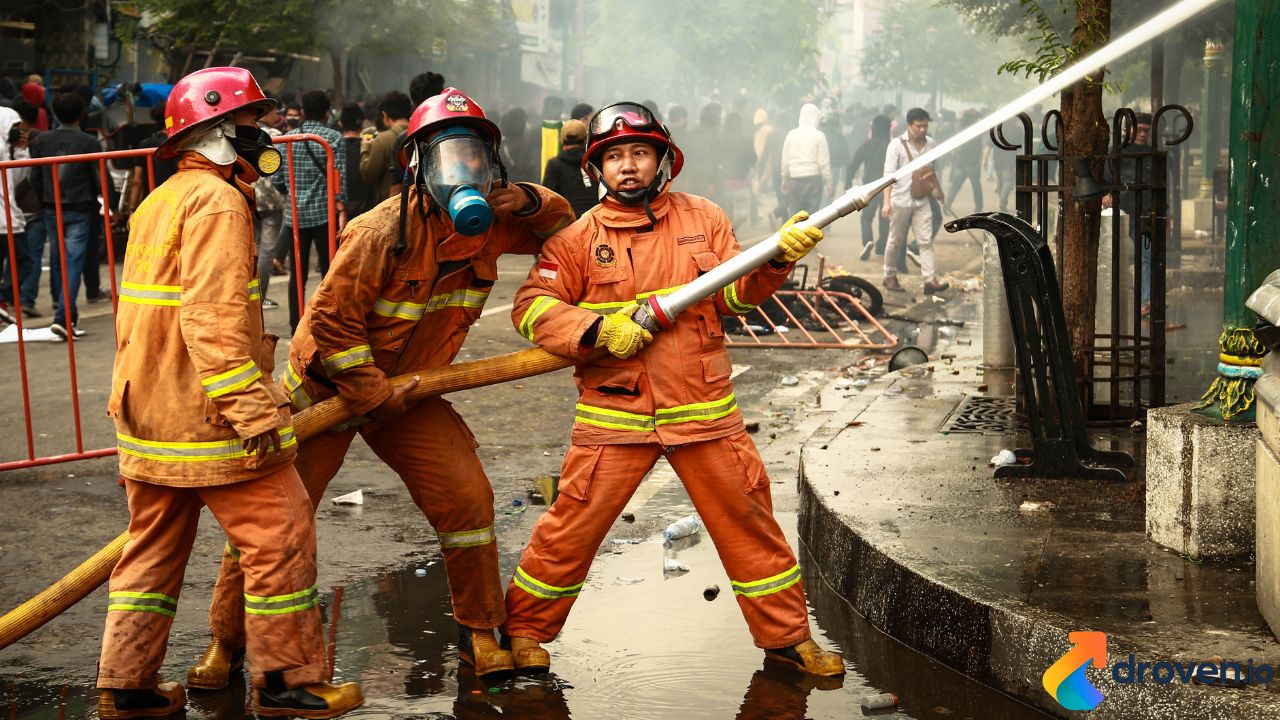
Experiencing a fire in a home or business can be devastating. Beyond the visible damage caused by flames, fires often leave behind smoke residue, water damage from firefighting efforts, structural instability, and hazardous contaminants. Fire damage restoration services help property owners recover from these events by repairing structural damage, removing debris, and restoring the building to a safe and livable condition.
Professional restoration teams use specialized equipment, advanced cleaning methods, and experienced technicians to handle fire damage efficiently. These services are essential for preventing long-term structural problems, eliminating smoke odors, and ensuring that buildings are safe for occupancy after a fire.
What Are Fire Damage Restoration Services?
Fire damage restoration services involve a series of specialized procedures designed to repair and restore buildings that have been damaged by fire, smoke, and water. The restoration process focuses on both visible and hidden damage within the structure.
Typical fire damage restoration services include:
- Damage inspection and assessment
- Emergency board-up and structural stabilization
- Smoke and soot removal
- Water removal and drying
- Odor elimination
- Structural repairs and rebuilding
These services are often performed by restoration professionals trained in disaster recovery and property reconstruction.
Immediate Steps After a Fire
After a fire incident, taking the right steps can help reduce additional damage and support a faster recovery process.
Ensure Safety
The first priority is ensuring that everyone is safe and that emergency responders have confirmed the building is secure to enter.
Contact Restoration Professionals
Professional fire damage restoration services should be contacted as soon as possible to assess damage and begin cleanup.
Document the Damage
Photographs and detailed documentation of damage are useful when filing insurance claims.
Avoid Disturbing Damaged Areas
Touching or moving damaged items before professionals inspect them can spread soot and worsen contamination.
Acting quickly helps limit further structural damage and reduces restoration costs.
Fire Damage Inspection and Assessment
The restoration process begins with a thorough inspection of the property. Restoration experts evaluate the extent of fire, smoke, and water damage throughout the building.
Structural Damage Evaluation
Professionals inspect walls, ceilings, floors, and structural components to determine whether repairs or replacements are needed.
Smoke and Soot Analysis
Smoke damage can spread far beyond the area where the fire occurred. Technicians analyze how smoke traveled through the building.
Water Damage Assessment
Firefighting efforts often involve large amounts of water, which can lead to additional problems such as mold growth or structural weakening.
A detailed assessment helps restoration teams create an effective recovery plan.
Emergency Board-Up and Property Stabilization
After a fire, buildings are often vulnerable to weather damage, theft, or further structural collapse. Emergency stabilization is an important part of fire damage restoration services.
Board-Up Services
Windows, doors, and damaged walls may be boarded up to secure the property.
Roof Tarping
If the roof is damaged during a fire, protective tarps may be installed to prevent rain from entering the building.
Structural Reinforcement
Temporary supports may be installed to stabilize weakened structures until repairs begin.
These measures protect the property while restoration work is underway.
Smoke and Soot Removal
Smoke and soot can cause significant damage to walls, furniture, appliances, and personal belongings.
Soot Cleaning
Specialized cleaning solutions and techniques are used to remove soot deposits from surfaces.
Air Filtration
High-efficiency air filtration systems remove airborne smoke particles and improve indoor air quality.
Surface Restoration
Walls, ceilings, and floors may require deep cleaning or repainting to eliminate smoke residue.
Removing soot quickly is important because acidic soot residues can permanently damage surfaces.
Water Removal and Drying
Water damage is often an overlooked consequence of fires. Large volumes of water used during firefighting can saturate floors, walls, and insulation.
Water Extraction
Restoration teams use pumps and industrial vacuums to remove standing water from the property.
Drying Equipment
Specialized drying equipment such as dehumidifiers and air movers helps remove moisture from building materials.
Mold Prevention
Proper drying prevents mold growth, which can occur within 24–48 hours after water exposure.
Managing water damage is a critical part of the fire restoration process.
Odor Removal and Air Purification
One of the most persistent effects of fire damage is smoke odor. Smoke particles can penetrate porous materials such as fabrics, carpets, and drywall.
Thermal Fogging
Thermal fogging neutralizes smoke odors by penetrating surfaces with specialized deodorizing agents.
Ozone Treatment
Ozone machines may be used to eliminate stubborn smoke odors in enclosed areas.
HVAC Cleaning
Smoke particles can spread through ventilation systems, so HVAC cleaning may be necessary.
Effective odor removal ensures the property is comfortable and safe for occupants.
Structural Repairs and Reconstruction
Once cleaning and drying are complete, the rebuilding phase begins.
Repairing Structural Components
Damaged walls, ceilings, floors, and support structures may require repair or replacement.
Replacing Electrical Systems
Fires often damage electrical wiring, outlets, and appliances, which must be inspected and replaced if necessary.
Installing New Materials
New drywall, flooring, insulation, and fixtures are installed during the rebuilding process.
This stage restores the building to its original condition or improves it with updated materials.
Personal Property Restoration
In many cases, personal belongings can be restored rather than replaced.
Cleaning and Deodorizing Items
Furniture, clothing, and electronics may be cleaned using specialized restoration techniques.
Content Storage
Some restoration companies temporarily store personal belongings while the building is being repaired.
Document Restoration
Important documents and photographs can sometimes be recovered using specialized drying and preservation methods.
Restoring personal items helps reduce financial losses and preserve valuable possessions.
Insurance and Fire Damage Restoration
Insurance companies typically cover many aspects of fire damage restoration depending on the policy.
Damage Documentation
Restoration companies often help document damage for insurance claims.
Direct Communication With Insurance Providers
Some restoration companies work directly with insurance companies to streamline the claims process.
Repair Estimates
Detailed repair estimates help insurance providers determine coverage for restoration costs.
Working with experienced restoration professionals can make the insurance process easier for property owners.
Preventing Future Fire Damage
While fires cannot always be prevented, several precautions can reduce fire risks.
Install Smoke Detectors
Smoke detectors should be installed on every level of a home and tested regularly.
Maintain Electrical Systems
Old or faulty electrical wiring can increase fire risk and should be inspected by professionals.
Store Flammable Materials Safely
Flammable materials should be stored away from heat sources and open flames.
Maintain Heating Equipment
Regular maintenance of furnaces, fireplaces, and heating systems helps reduce fire hazards.
Taking preventive measures helps protect homes and businesses from future fires.
Why Professional Fire Damage Restoration Is Important
Fire damage restoration is a complex process that requires specialized equipment and expertise.
Benefits of professional restoration services include:
Faster Recovery
Professional teams can restore properties much faster than DIY cleanup efforts.
Proper Safety Procedures
Restoration technicians are trained to handle hazardous materials and structural risks.
Advanced Cleaning Technology
Professional equipment ensures thorough removal of smoke, soot, and odors.
Comprehensive Repairs
From structural rebuilding to personal property restoration, professionals handle the entire recovery process.
These advantages make fire damage restoration services essential for returning damaged properties to safe living conditions.
FAQs
What do fire damage restoration services include?
Fire damage restoration services include inspection, debris removal, smoke and soot cleaning, water removal, odor elimination, and structural repairs.
How long does fire damage restoration take?
The timeline varies depending on the severity of the damage. Minor restoration may take a few days, while major reconstruction can take several weeks or months.
Can smoke damage be completely removed?
Yes. Professional restoration companies use specialized equipment to remove soot, smoke particles, and odors from surfaces and air systems.
Does insurance cover fire damage restoration?
Most homeowner insurance policies cover fire damage restoration, although coverage depends on the specific policy.
Is it safe to stay in a home after a fire?
In many cases it is not safe until restoration professionals inspect the property and address structural, smoke, and air quality issues.
