
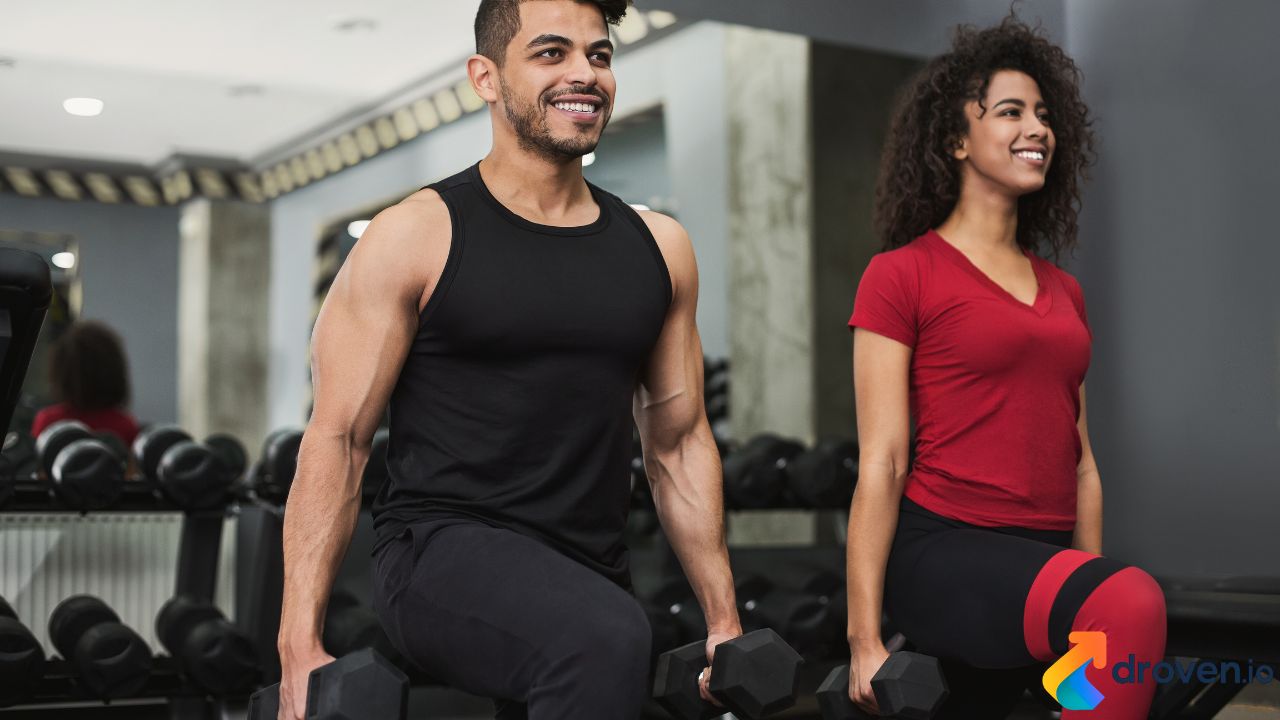
A workout is any planned physical activity designed to improve health, fitness, strength, endurance, or flexibility. Regular exercise has become an essential part of maintaining a healthy lifestyle, helping individuals improve physical performance, boost mental well-being, and reduce the risk of chronic diseases.
A structured workout routine typically includes a combination of cardiovascular exercise, strength training, mobility work, and recovery. By combining these elements, individuals can build balanced fitness programs that support both short-term fitness goals and long-term health.
Whether performed at home, outdoors, or in a gym, workouts help improve overall physical condition and contribute to better quality of life.
What Is a Workout?
A workout refers to any physical training session that involves structured movement intended to improve physical fitness. Workouts can vary widely depending on goals, fitness levels, and personal preferences.
Typical workout activities include:
- Weight training
- Running or jogging
- Cycling
- Yoga or stretching
- High-intensity interval training (HIIT)
- Bodyweight exercises
The primary purpose of a workout is to challenge the body in a controlled way so that muscles, cardiovascular systems, and metabolic functions adapt and improve over time.
Benefits of Regular Workouts
Engaging in consistent workouts provides numerous physical and mental health benefits.
Improved Cardiovascular Health
Cardio workouts such as running, cycling, or swimming strengthen the heart and improve circulation. Regular cardiovascular exercise helps reduce the risk of heart disease and high blood pressure.
Increased Strength and Muscle Mass
Strength training workouts build muscle mass and improve overall body strength. This helps with everyday activities and supports better posture and joint stability.
Weight Management
Exercise increases calorie expenditure, making workouts an effective tool for weight management when combined with balanced nutrition.
Improved Mental Health
Regular physical activity can reduce stress, anxiety, and symptoms of depression by releasing endorphins and improving mood.
Better Energy Levels
Exercise improves oxygen circulation throughout the body, which can increase overall energy levels and reduce fatigue.
These benefits demonstrate why maintaining a regular workout routine is important for overall health.
Types of Workouts
Different types of workouts focus on different aspects of fitness.
Strength Training
Strength training workouts focus on building muscle and improving physical strength.
Common strength exercises include:
- Squats
- Deadlifts
- Bench press
- Pull-ups
- Shoulder presses
Strength workouts typically involve resistance such as weights, resistance bands, or bodyweight exercises.
Cardiovascular Workouts
Cardio workouts improve heart health and endurance.
Examples include:
- Running
- Walking
- Cycling
- Swimming
- Rowing
Cardio exercises increase heart rate and improve the body’s ability to deliver oxygen to muscles.
High-Intensity Interval Training (HIIT)
HIIT workouts alternate between short bursts of intense exercise and brief recovery periods.
Benefits of HIIT workouts include:
- Efficient calorie burning
- Improved cardiovascular fitness
- Shorter workout duration
HIIT is popular for individuals who want effective workouts in limited time.
Flexibility and Mobility Workouts
Flexibility exercises improve joint mobility and reduce injury risk.
Examples include:
- Yoga
- Stretching routines
- Pilates
- Mobility drills
These workouts help maintain healthy movement patterns and improve posture.
Functional Training
Functional workouts focus on movements that mimic real-life activities.
Exercises often include:
- Kettlebell swings
- Lunges
- Step-ups
- Medicine ball throws
Functional training improves coordination, balance, and daily physical performance.
How to Build an Effective Workout Routine
Creating a structured workout plan helps maximize results and prevent injuries.
Set Clear Fitness Goals
Fitness goals may include:
- Building muscle
- Losing weight
- Improving endurance
- Increasing flexibility
Clear goals help determine the types of workouts needed.
Balance Different Exercise Types
An effective workout routine should include multiple components:
- Strength training
- Cardio exercise
- Flexibility work
- Rest and recovery
This balanced approach supports overall fitness.
Follow Progressive Overload
Progressive overload means gradually increasing exercise difficulty over time.
This can be done by:
- Increasing weights
- Adding more repetitions
- Increasing workout intensity
- Extending training duration
Progressive overload encourages muscle growth and strength improvements.
Schedule Rest Days
Recovery is an essential part of any workout routine.
Rest days allow muscles to repair and grow, reducing the risk of overtraining.
Beginner Workout Plan Example
A simple weekly workout routine for beginners may look like this:
Day 1 – Strength Training
Focus on full-body exercises such as squats, push-ups, and rows.
Day 2 – Cardio Workout
30–40 minutes of moderate cardio such as jogging, cycling, or brisk walking.
Day 3 – Rest or Active Recovery
Light stretching or yoga.
Day 4 – Strength Training
Upper body exercises such as bench press, shoulder press, and pull-ups.
Day 5 – Cardio and Core
Short cardio session combined with core exercises such as planks and leg raises.
Day 6 – Flexibility Training
Yoga or mobility-focused workout.
Day 7 – Rest
Complete rest to allow full recovery.
This balanced approach supports strength, endurance, and mobility improvements.
Common Workout Mistakes
Many beginners make mistakes that can limit progress or increase injury risk.
Skipping Warm-Ups
Warm-ups prepare muscles and joints for exercise and help prevent injuries.
Poor Exercise Form
Using incorrect form during strength training can lead to strain or injury.
Overtraining
Exercising too frequently without proper rest can reduce performance and increase fatigue.
Ignoring Nutrition
Proper nutrition is essential for fueling workouts and supporting muscle recovery.
Avoiding these mistakes helps ensure safe and effective training.
Home Workouts vs Gym Workouts
Both home and gym workouts offer unique advantages.
Home Workouts
Benefits include:
- Convenience
- No travel time
- Lower cost
- Flexible scheduling
Home workouts often rely on bodyweight exercises and minimal equipment.
Gym Workouts
Advantages include:
- Access to specialized equipment
- Professional trainers
- Structured training environment
- Greater exercise variety
Choosing between home and gym workouts depends on personal preferences and fitness goals.
Importance of Recovery After Workouts
Recovery is just as important as the workout itself.
Muscle Repair
Muscle tissue repairs and strengthens during rest periods.
Hydration
Drinking enough water helps regulate body temperature and support metabolic processes.
Sleep
Quality sleep improves muscle recovery and hormone regulation.
Stretching
Post-workout stretching can help reduce muscle soreness and improve flexibility.
Proper recovery allows individuals to maintain consistent workout routines without injury.
Long-Term Benefits of Consistent Workouts
Over time, consistent exercise leads to long-term health improvements.
These benefits include:
- Stronger muscles and bones
- Reduced risk of chronic diseases
- Improved metabolism
- Better balance and coordination
- Increased longevity
A regular workout routine can significantly improve overall health and quality of life.
FAQs
What is the best workout for beginners?
A balanced routine including strength training, cardio exercise, and flexibility training is ideal for beginners.
How often should I work out?
Most fitness experts recommend exercising at least 3–5 times per week depending on fitness goals.
Can workouts help with weight loss?
Yes. Workouts increase calorie burn and improve metabolism, which supports weight loss when combined with proper nutrition.
How long should a workout last?
Most workouts last between 30 and 60 minutes depending on the intensity and type of exercise.
Do I need equipment for workouts?
No. Many effective workouts can be performed using bodyweight exercises such as push-ups, squats, and lunges.
