
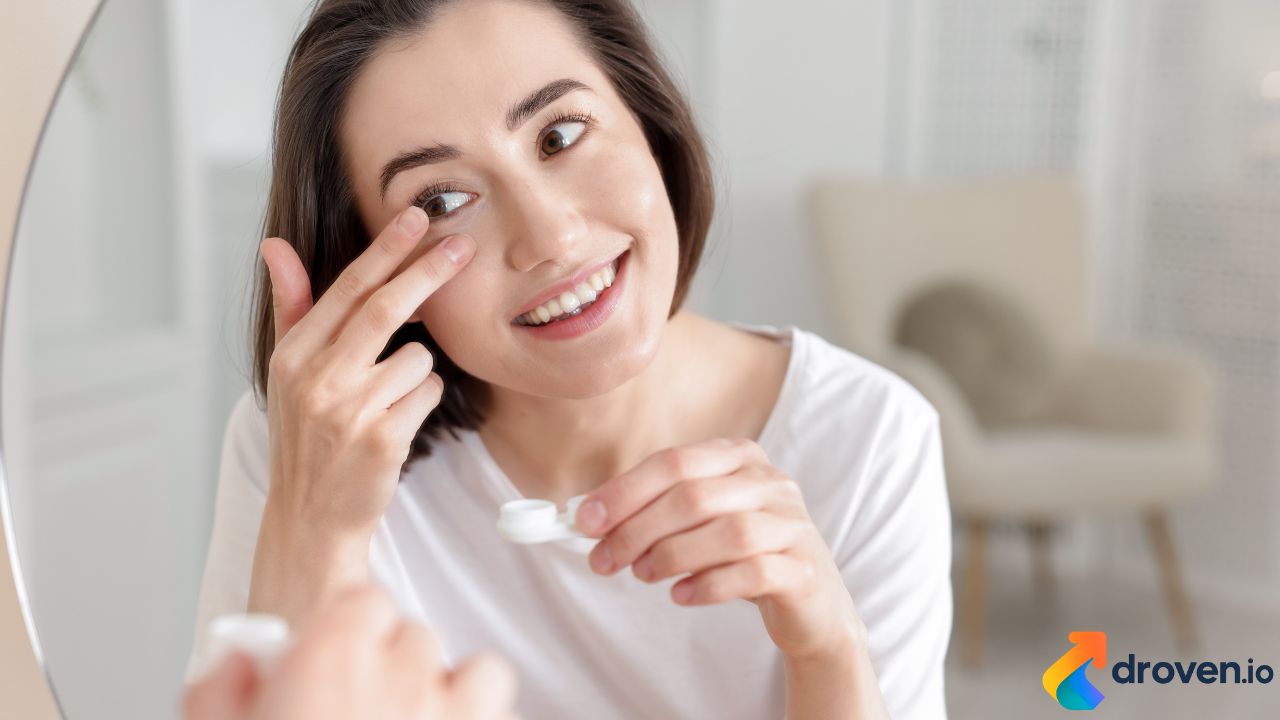
Daily contact lenses have become one of the most popular vision correction options for people who want clear eyesight without wearing glasses. Unlike traditional reusable contact lenses, daily contact lenses are designed for single-day use and are discarded after each wear. This makes them convenient, hygienic, and comfortable for many users.
Millions of people around the world use daily disposable lenses to correct vision problems such as nearsightedness, farsightedness, and astigmatism. With improvements in lens materials and manufacturing technology, modern daily lenses offer excellent comfort, breathability, and visual clarity.
Because they eliminate the need for cleaning and storage solutions, daily contact lenses are especially appealing for individuals with busy lifestyles or those who prefer a simple vision care routine.
What Are Daily Contact Lenses?
Daily contact lenses are soft contact lenses designed to be worn for one day and then discarded. Each morning, the user opens a new sterile pair of lenses and removes them before going to sleep.
Unlike reusable lenses that must be cleaned and stored overnight, daily contact lenses are used once and thrown away. This design significantly reduces the risk of contamination and buildup of protein deposits on the lens surface.
Daily disposable lenses are commonly prescribed to correct several types of vision problems.
These include:
- Myopia (nearsightedness)
- Hyperopia (farsightedness)
- Astigmatism
- Presbyopia (age-related vision changes)
Because the lenses are fresh every day, they offer consistent comfort and clarity throughout the day.
How Daily Contact Lenses Work
Contact lenses sit directly on the surface of the eye, resting on the tear film that covers the cornea.
Daily contact lenses correct vision by altering how light enters the eye and focuses on the retina.
Vision Correction Mechanism
When a person has a refractive error, light entering the eye does not focus properly on the retina.
Contact lenses correct this by:
- Adjusting the path of incoming light
- Allowing it to focus correctly on the retina
- Producing clear images
Because the lens moves naturally with the eye, vision remains stable and consistent.
Lens Material Technology
Modern daily lenses are made from advanced materials designed for comfort and eye health.
These materials allow oxygen to pass through the lens to the cornea, helping keep the eyes healthy during wear.
High oxygen permeability is especially important for daily contact lenses because it prevents dryness and irritation.
Benefits of Daily Contact Lenses
Daily disposable lenses offer several advantages compared to reusable lenses.
Better Hygiene
One of the biggest benefits of daily contact lenses is improved hygiene.
Since a new pair is used every day:
- Protein buildup is minimized
- Bacteria accumulation is reduced
- Cleaning solutions are not required
This significantly lowers the risk of eye infections.
Convenience
Daily lenses are simple to use because they eliminate the need for cleaning routines.
Users only need to:
- Open a new lens each day
- Insert it into the eye
- Remove and discard it at night
This makes them ideal for travel and busy lifestyles.
Comfort
Fresh lenses each day reduce irritation caused by protein deposits or allergens that can accumulate on reusable lenses.
People with sensitive eyes often prefer daily disposable lenses for this reason.
Reduced Allergy Symptoms
Daily lenses can help reduce eye allergies because they minimize exposure to pollen, dust, and other allergens that may accumulate on lenses.
Ideal for Occasional Wear
Some people wear contact lenses only for special occasions or sports.
Daily lenses are perfect for occasional use since they do not require maintenance between uses.
Types of Daily Contact Lenses
Several types of daily disposable lenses are available depending on the wearer’s vision needs.
Single Vision Daily Lenses
Single vision lenses correct one type of refractive error, such as nearsightedness or farsightedness.
These are the most common type of daily contact lenses.
Toric Daily Lenses
Toric lenses are designed specifically for people with astigmatism.
They have different lens powers in different areas of the lens to correct uneven curvature of the cornea.
Multifocal Daily Lenses
Multifocal lenses help people with presbyopia see clearly at multiple distances.
They allow clear vision for:
- Reading
- Computer use
- Distance viewing
These lenses are commonly used by adults over 40.
Colored Daily Lenses
Some daily lenses are available in cosmetic colors.
These lenses can:
- Enhance natural eye color
- Change eye color temporarily
However, they should still be prescribed by an eye care professional.
Who Should Use Daily Contact Lenses?
Daily contact lenses are suitable for many people.
They are particularly beneficial for individuals who:
Have Sensitive Eyes
Fresh lenses every day reduce irritation caused by protein deposits or allergens.
Have Busy Lifestyles
Daily lenses require minimal maintenance, making them convenient for people with demanding schedules.
Travel Frequently
Because daily lenses do not require cleaning solutions or storage cases, they are easy to pack and use while traveling.
Play Sports
Athletes often prefer contact lenses because they provide clear peripheral vision without the risk of glasses slipping or breaking.
Experience Allergies
Daily lenses can help reduce allergy-related eye discomfort.
An eye care professional can determine whether daily disposable lenses are appropriate for each individual.
How to Use Daily Contact Lenses Safely
Although daily contact lenses are convenient, proper use is important to maintain eye health.
Wash Hands Before Handling Lenses
Always wash and dry hands before touching contact lenses.
This prevents bacteria from entering the eyes.
Follow Wear Time Guidelines
Most daily lenses are designed for wear during waking hours only.
They should not be worn overnight unless specifically prescribed.
Dispose of Lenses After One Day
Daily lenses must be discarded after each use.
Reusing daily lenses can increase the risk of infection.
Avoid Contact With Water
Contact lenses should not be exposed to water from swimming pools, showers, or tap water.
Water can introduce harmful microorganisms.
Attend Regular Eye Exams
Regular checkups with an eye doctor ensure lenses fit properly and that eyes remain healthy.
Cost of Daily Contact Lenses
Daily disposable lenses typically cost more per lens compared to monthly lenses, but they may reduce costs associated with cleaning solutions and storage products.
Pricing depends on factors such as:
- Lens brand
- Lens technology
- Prescription type
- Quantity purchased
Many eye care providers offer subscription programs or bulk purchasing discounts.
Insurance plans may also cover part of the cost depending on the policy.
Daily Contact Lenses vs Monthly Lenses
Many people compare daily lenses with monthly reusable lenses.
Daily Lenses
Advantages:
- Better hygiene
- No cleaning required
- Ideal for occasional use
Disadvantages:
- Higher long-term cost for frequent wearers
Monthly Lenses
Advantages:
- Lower cost per lens
- Suitable for regular daily use
Disadvantages:
- Require cleaning and storage
- Higher risk of protein buildup
Choosing between these options depends on lifestyle, budget, and eye health needs.
Tips for Choosing the Right Daily Contact Lenses
Selecting the right contact lenses requires guidance from an eye care professional.
Get a Professional Eye Exam
An eye exam determines the correct prescription and lens type.
Consider Eye Sensitivity
People with dry eyes may benefit from lenses with high moisture content.
Evaluate Lifestyle Needs
Active individuals may prefer lenses with high oxygen permeability for comfort.
Choose Trusted Brands
Well-known brands often invest in advanced materials and quality control.
Follow Professional Advice
Eye doctors can recommend lenses based on individual eye health and lifestyle.
Advances in Contact Lens Technology
Technology continues to improve the comfort and performance of daily contact lenses.
Silicone Hydrogel Materials
These materials allow more oxygen to reach the eye compared to traditional lenses.
Moisture Retention Technology
Modern lenses contain hydrating agents that help maintain moisture throughout the day.
UV Protection
Some daily lenses include built-in UV protection to help shield eyes from harmful sunlight.
These innovations have made daily lenses safer and more comfortable than ever before.
FAQs
What are daily contact lenses?
Daily contact lenses are disposable lenses designed to be worn once and discarded at the end of the day.
Are daily contact lenses safe?
Yes. When used properly, daily lenses are considered one of the safest contact lens options because they reduce contamination risks.
Can daily contact lenses be reused?
No. Daily lenses should never be reused because they are designed for single-day wear only.
Are daily lenses better than monthly lenses?
Daily lenses offer better hygiene and convenience, while monthly lenses may be more cost-effective for frequent wearers.
Do daily contact lenses require cleaning solution?
No. Since daily lenses are discarded after use, cleaning solutions are not required.
