
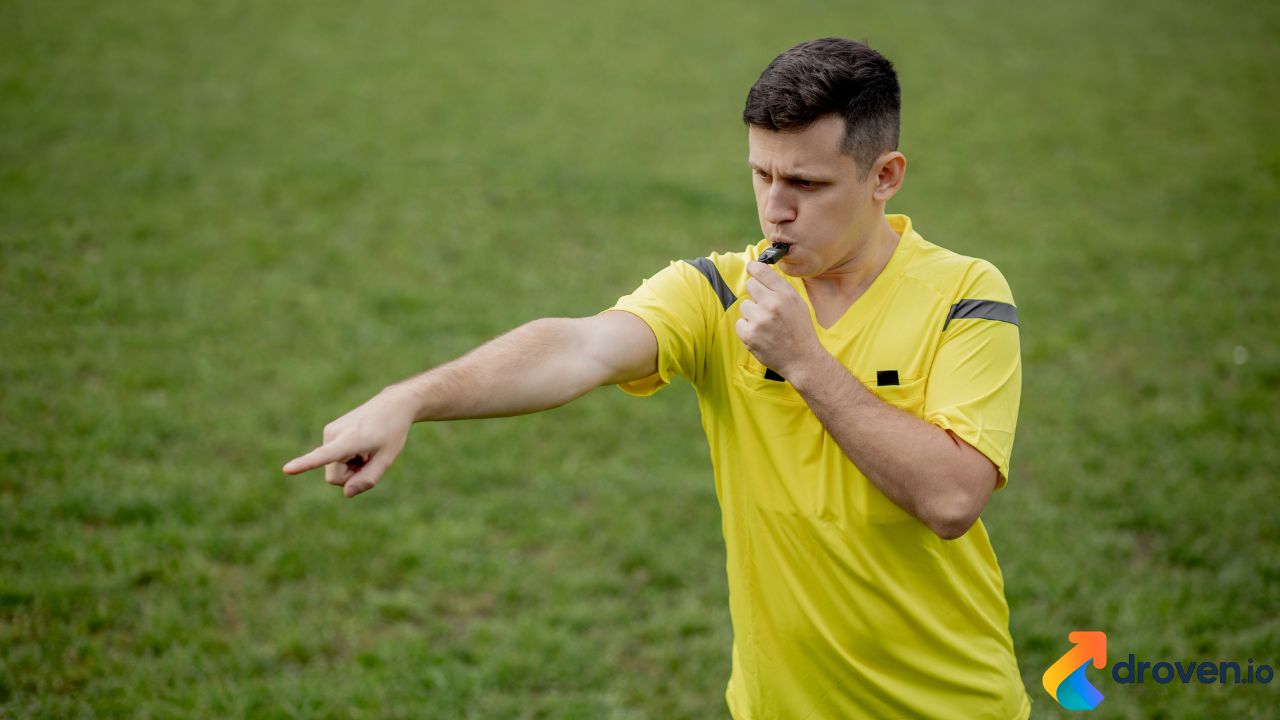
In modern competitive sports, the speed of the game has increased dramatically. Athletes are faster, plays develop more quickly, and critical decisions often need to be made within fractions of a second. Because of this, the ability for referees to make faster calls has become essential for maintaining fairness, safety, and the flow of competition.
Referees play a crucial role in enforcing the rules of the game and ensuring that players compete within the boundaries established by governing organizations. Their decisions influence the outcome of matches, the safety of participants, and the overall integrity of sports.
With the rise of advanced training methods, improved positioning strategies, and new technologies such as video review systems, referees today are better equipped than ever to make quick and accurate decisions during games.
Understanding how referees develop the ability to make faster calls provides valuable insight into the evolving world of sports officiating.
The Role of Referees in Sports
Referees are responsible for enforcing the rules and maintaining fairness during sporting events. Their duties extend far beyond simply observing the game. They must constantly monitor player actions, evaluate potential rule violations, and make immediate judgments.
Key responsibilities of referees include:
- Enforcing game rules
- Ensuring player safety
- Managing disputes between players
- Maintaining the pace of the game
- Making real-time decisions during play
Because sports often involve fast-paced movement and physical interactions, referees must react quickly and confidently. This ability allows referees to make faster calls while maintaining accuracy.
Why Fast Decision-Making Matters in Sports
Speed is essential in modern officiating. Games are played at a pace where delays in decision-making can disrupt the flow of play or create confusion among players and spectators.
Maintaining Game Flow
Quick decisions prevent unnecessary interruptions during matches.
Ensuring Fair Play
Fast calls help enforce rules immediately when violations occur.
Protecting Player Safety
Immediate intervention is necessary when dangerous actions occur.
Supporting Game Integrity
Referees who make quick and consistent decisions help maintain trust in officiating.
These reasons highlight the importance of training referees to respond rapidly during games.
Skills That Help Referees Make Faster Calls
Professional referees develop several skills that allow them to react quickly during competition.
Game Knowledge
Referees must have a deep understanding of the rules and regulations governing their sport.
This knowledge allows them to instantly recognize rule violations.
Situational Awareness
Officials must constantly observe the entire playing area.
Awareness of player positioning and game dynamics helps referees anticipate potential fouls.
Physical Fitness
Referees often run several miles during a game.
Maintaining physical fitness allows them to stay close to the action and make better decisions.
Mental Focus
High levels of concentration are required to track multiple players and actions simultaneously.
These abilities help referees make faster calls under pressure.
Positioning Strategies for Referees
Proper positioning is one of the most important factors in effective officiating.
Referees must position themselves in areas where they can clearly observe critical actions.
Anticipating Play Development
Experienced referees learn to anticipate where the next play will occur.
Maintaining Clear Sightlines
Officials position themselves to avoid obstacles that may block their view.
Adjusting Movement
Referees constantly move to maintain optimal angles for observing player interactions.
Effective positioning helps referees react quickly when rule violations occur.
Communication Among Officials
Many sports use multiple officials working together during games.
Communication between referees improves decision-making speed.
Hand Signals
Referees often use standardized hand signals to communicate calls quickly.
Verbal Communication
Officials may communicate verbally to confirm decisions or share observations.
Pre-Game Coordination
Officiating teams discuss responsibilities and positioning strategies before games begin.
This coordination ensures that referees make faster calls while maintaining consistency.
Technology Helping Referees Make Faster Calls
Advancements in sports technology have significantly improved officiating.
Instant Replay Systems
Video replay systems allow officials to review controversial plays.
These systems provide additional accuracy when initial calls are uncertain.
Video Assistant Referee (VAR)
In sports such as soccer, VAR technology assists referees by reviewing critical game moments.
Goal-Line Technology
Goal-line technology instantly determines whether the ball has crossed the goal line.
Hawk-Eye Systems
Hawk-Eye technology is widely used in tennis and cricket to track ball movement.
Although referees still make most decisions in real time, these technologies support faster and more accurate officiating.
Training Programs for Referees
Professional referees undergo rigorous training to improve decision-making speed.
Training programs often include:
- Rule study sessions
- Physical fitness training
- Video analysis of past games
- Simulation exercises
These programs help officials develop the reflexes and judgment required to make quick decisions.
Psychological Factors in Officiating
Refereeing requires strong mental resilience.
Officials often face intense pressure from players, coaches, and spectators.
Confidence
Referees must trust their judgment and make decisions without hesitation.
Stress Management
Managing stress helps referees maintain focus during critical moments.
Emotional Control
Officials must remain calm even during heated disputes.
These psychological skills enable referees to make faster calls while maintaining professionalism.
Challenges Referees Face When Making Quick Decisions
Despite their training, referees often face difficult challenges during games.
High-Speed Play
Modern athletes move extremely quickly, making some actions difficult to evaluate in real time.
Crowd Pressure
Large crowds may react strongly to controversial decisions.
Player Reactions
Players sometimes dispute calls, creating additional pressure on officials.
Limited Viewing Angles
Certain plays occur in crowded areas where visibility may be limited.
These challenges highlight the complexity of officiating at high levels of competition.
Improving Accuracy While Making Fast Calls
Speed is important, but accuracy remains the top priority for referees.
Officials balance these two factors by:
- Studying game footage
- Practicing decision-making scenarios
- Improving positioning and movement
- Using technological assistance when necessary
Continuous training ensures referees maintain both speed and accuracy.
The Future of Sports Officiating
The role of referees continues to evolve as technology and sports science advance.
Artificial Intelligence Assistance
Future systems may analyze player movements and provide real-time alerts for potential rule violations.
Enhanced Video Technology
Higher-resolution cameras and automated tracking systems may assist officials in reviewing plays.
Wearable Technology
Referees may use wearable devices that track positioning and provide performance analytics.
These innovations will likely improve the ability of referees to make faster calls while maintaining fairness.
Importance of Respect for Referees
Respect for referees is essential for maintaining the integrity of sports.
Players, coaches, and spectators should recognize the challenges officials face during fast-paced games.
Supporting referees promotes a healthier competitive environment and encourages fair play.
FAQs
Why do referees need to make quick decisions?
Sports are fast-paced, and quick decisions help maintain game flow and enforce rules effectively.
How do referees train to make faster calls?
Referees undergo training that includes rule study, fitness programs, video analysis, and simulation exercises.
Does technology replace referees?
No. Technology assists referees but does not replace their judgment and decision-making.
What technologies help referees make faster calls?
Technologies such as VAR, goal-line systems, instant replay, and Hawk-Eye assist referees during games.
Why is positioning important for referees?
Proper positioning allows referees to see plays clearly and make accurate decisions quickly.
How do referees handle pressure from players and crowds?
Professional referees are trained to remain calm, confident, and focused under pressure.
