
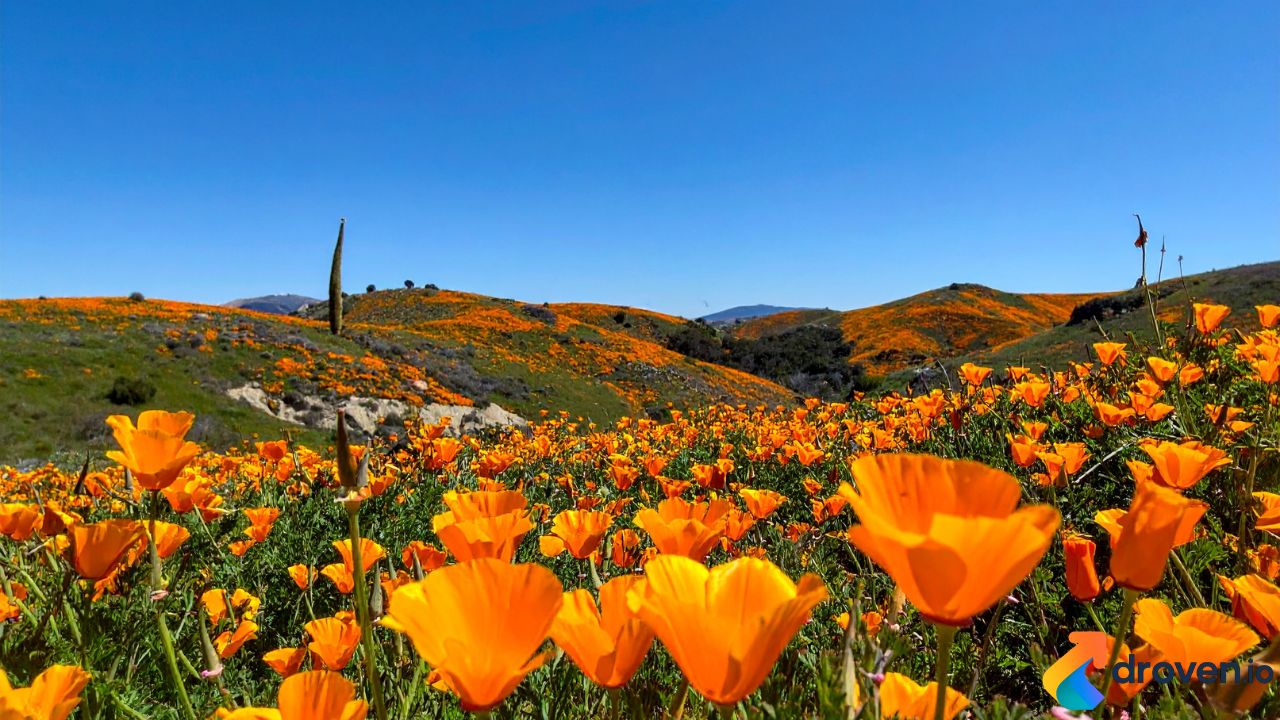
California has one of the most distinctive plant palettes in the world. The California Floristic Province is one of only 36 global biodiversity hotspots, and the state is home to nearly 7,000 plant species, many of them found nowhere else. That is one reason California native plants have become such a strong focus for gardeners, landscape designers, homeowners, and sustainability-minded property managers. These plants are not just attractive. They are part of the ecological foundation of the state itself.
For anyone building a landscape in California, native plants offer a practical advantage as well as an ecological one. Because they evolved with local climate patterns, soils, rainfall cycles, insects, and wildlife, many are naturally better adapted to the conditions they are meant to grow in. In many cases, that translates into lower water demand, less fertilizer, fewer pesticides, and less ongoing maintenance once the garden is established.
What Are California Native Plants?
A native plant is generally understood as a plant that evolved naturally in a region before European settlement and developed ecological relationships with local wildlife and environmental conditions. In California, that definition matters because the state contains many very different climates and habitats, from coastal scrub and oak woodland to chaparral, grassland, desert, and mountain systems.
That also means not every California native plant is right for every California garden. A species that thrives in a cool coastal zone may struggle in an inland valley, and a mountain plant may fail in a dry urban landscape. Calscape specifically recommends choosing plants that naturally occur in your ecoregion and, where possible, selecting plants that grow together in local plant communities, because those combinations are more likely to thrive and provide stronger habitat value for pollinators and wildlife.
Why California Native Plants Matter
The strongest reason to use native plants is that plants are not just decoration. They are habitat. The California Native Plant Society notes that California wildlife evolved in conjunction with native plant species, and many native birds, butterflies, bees, and other beneficial insects rely on them for survival. When people replace local habitat with hardscape or generic ornamentals, ecological connections weaken. When they restore native plants, those connections begin to return.
Native gardens can also act as small ecological bridges in developed areas. CNPS notes that gardens, parks, and roadsides planted with California natives can help connect fragmented habitat to nearby remaining wildlands. That is a significant point for urban and suburban landscapes, where every planted space has the potential to support biodiversity instead of reducing it.
Water use is another major factor. CNPS states that about 50% of residential water use goes to outdoor irrigation, much of it spent on lawns that are poorly suited to California’s climate and water realities. Replacing thirsty turf with native planting can reduce outdoor water demand while also creating a more regionally appropriate landscape.
The Biggest Mistake People Make With Native Landscaping
The most common mistake is assuming that “native” means “plant anything from California and it will work.” That is not how successful native gardening works. California is too large and too ecologically diverse for a one-size-fits-all plant list. The best results come from using locally appropriate species matched to real site conditions such as sun exposure, drainage, soil texture, slope, wind, and summer heat.
The second big mistake is treating native plants like conventional landscape plants that want constant pampering. UC Master Gardeners note that many natives do not want heavy soil amendments or fertilizer and often perform best in lean native soil. Overwatering can be especially damaging, and UC guidance warns that many California natives are adapted to dry summer soil and may suffer root rot or oxygen deprivation if left in standing water.
Benefits of Using California Native Plants in Residential Landscapes
One major benefit is lower long-term maintenance. Many native species, once established, need less pruning, less feeding, and fewer chemical inputs than traditional ornamental plantings. UC Master Gardener sources consistently note that natives are already adapted to local climate, soils, and insect pressures, which can reduce both labor and input costs over time.
Another advantage is stronger pollinator support. CNPS and UC resources both emphasize that native plants provide food and shelter for bees, butterflies, hummingbirds, birds, and beneficial insects. A garden built with the right native species can function as living infrastructure for wildlife rather than just a decorative border.
There is also a design benefit. Native landscapes do not have to look wild or messy unless that is the intended style. They can be contemporary, structured, meadow-like, Mediterranean, woodland-inspired, or highly architectural. Calscape explicitly frames native gardening as compatible with different garden styles, which matters for homeowners who want ecological performance without sacrificing visual appeal.
Where California Native Plants Work Best
California native plants can be used in nearly every part of a landscape when the species are chosen correctly. They work well in lawn-replacement projects, pollinator borders, dry creek beds, slope stabilization plantings, foundation beds, screening hedges, habitat gardens, and low-water commercial landscapes. Native grasses, shrubs, flowering perennials, and small trees can all be combined into layered planting schemes.
They are particularly valuable on difficult sites. UC Master Gardener sources highlight species such as California buckwheat for poor soils and hillside stabilization, purple needlegrass for erosion control, and coyote brush for bank stabilization. That makes native planting especially useful in places where conventional high-input landscaping performs poorly or becomes expensive to maintain.
Popular California Native Plants for Different Landscape Goals
There is no universal “best” plant list for the whole state, but some California natives are widely used because of their flexibility, ecological value, and ornamental appeal. The following examples are common starting points.
For flowering shrubs and structure
- Ceanothus (California lilac) offers blue or white blooms, low water needs once established, and a growth range that includes groundcovers, shrubs, and small trees. That makes it one of the most versatile groups for California-native design.
- Manzanita (Arctostaphylos species) includes numerous California-native species ranging from groundcovers to large shrubs, with winter and spring flowers and very low water requirements. UC sources describe manzanitas as among the most adaptable and long-lived native garden plants.
- Coffeeberry (Frangula californica) is a large evergreen shrub with very low water needs that can grow in sun or part shade, making it useful for screening and background planting.
- Toyon (Heteromeles arbutifolia) is valued for red winter berries important to birds and for its adaptability to sun or part shade. It is one of the classic California shrubs for habitat-oriented design.
For pollinators and habitat value
- California buckwheat (Eriogonum fasciculatum) is drought tolerant, adaptable to poor soils, and attractive to pollinators and birds. It is also useful for slope stabilization.
- Yarrow (Achillea millefolium) is an easy-to-grow perennial with low water needs that attracts many pollinators and beneficial insects.
- Currants (Ribes species) provide spring flowers that attract hummingbirds and work well in varied light conditions depending on the species.
- Purple sage (Salvia clevelandii) is a low-water shrub that attracts bees, butterflies, and birds, while also adding strong fragrance and color.
For grasses, texture, and erosion control
- Purple needlegrass (Nassella pulchra), California’s state grass, has deep roots that help with erosion control and performs well in full sun with drought tolerance.
- Coyote brush (Baccharis pilularis) is fast growing and useful for stabilizing banks and filling large areas with durable green structure.
For small trees and seasonal interest
- Western redbud (Cercis occidentalis) offers bright pink spring blossoms and attracts leafcutter bees, making it a strong option for smaller gardens needing seasonal color and habitat value.
- Elderberry (Sambucus mexicana) provides flowers and berries that support birds and mammals while functioning as a large shrub or small tree.
How to Choose the Right Native Plants for Your Property
The right process is more important than the right trend. Start with your site, not with a random online list. Look at sun exposure, slope, drainage, soil type, nearby hardscape heat, frost pattern, and how much irrigation the area currently receives. Then narrow the plant palette to species that naturally fit those conditions. That approach follows the guidance from Calscape and CNPS regional planting tools, both of which emphasize location-based plant selection instead of generic statewide recommendations.
It also helps to think in plant communities rather than isolated specimens. When plants that naturally grow together are combined, they tend to share compatible water, light, and climate needs. That improves plant performance and usually creates a more coherent and resilient landscape.
How to Design a Successful California Native Garden
A strong native garden usually begins with hydrozoning, which means grouping plants with similar watering needs together. CNPS guidance recommends planning for low-water use and considering the needs of both new and existing plants when building the irrigation strategy. This prevents the common problem of overwatering some species just to keep others alive.
Soil preparation should also be restrained. UC Master Gardeners note that many native plants prefer lean native soil and do not benefit from heavy amendment or fertilizer. In practice, that means less is often more. Over-improving the soil can create growth that is too soft, too fast, or inconsistent with the plant’s natural tolerance.
Water management is critical in the first establishment period. Young native plants may need regular irrigation while roots expand, but long-term success often depends on backing off as the plants mature. UC guidance specifically warns that many California natives dislike summer-saturated soil, especially in heavier clay conditions, because excessive water can damage roots.
Finally, design with seasonality in mind. Native landscapes often look different from conventional landscapes because they follow California’s natural rhythm. Spring may be the time of bloom and lush growth, while late summer can be more restrained and architectural. A good native garden does not fight the climate; it expresses it. That is one reason native landscapes tend to feel more authentic and place-specific than imported styles.
California Native Plants for Modern Landscaping Projects
The appeal of native planting is no longer limited to hobby gardeners. Developers, landscape architects, municipalities, schools, and commercial property owners are increasingly interested in California native plants because they align with drought resilience, pollinator support, sustainability goals, and lower landscape input over time. Native planting can help reduce irrigation demand, limit chemical use, and create stronger habitat value in both private and public spaces.
For brands and property owners, there is also a reputational benefit. A well-designed native landscape signals regional awareness, ecological responsibility, and long-term thinking. In a state where water, wildfire recovery, biodiversity, and climate resilience are central issues, that matters. CNPS has expanded its gardening and regional guide resources specifically to help people make those transitions with more confidence.
Common Mistakes to Avoid
Avoid copying plant palettes from another part of the state without checking your local conditions. California natives are regional by nature, so a plant that performs beautifully in Marin or Santa Barbara may not be the right choice in Riverside or the Sierra foothills.
Avoid overwatering established natives, especially in summer. Many California species are adapted to dry-season soil and can decline when irrigation is too frequent or drainage is poor.
Avoid over-fertilizing or over-amending the soil. UC guidance is consistent on this point: many natives do not want rich soil management and often perform better with a lighter hand.
Avoid expecting a native garden to behave like a tropical or lawn-centered landscape. The goal is not year-round artificial lushness. The goal is long-term fit with California’s ecology, climate, and wildlife relationships.
Conclusion
A well-planned native landscape does more than reduce maintenance. It reconnects a property to the ecological logic of California itself. It can lower water use, support pollinators and birds, reduce reliance on fertilizers and pesticides, and create a stronger sense of place than generic ornamental planting ever could.
The key is not to treat California native plants as a style trend. Treat them as a regionally adapted system. Choose species that fit your exact site, group them intelligently, avoid overwatering, and let the landscape reflect California’s real seasonal character. Done correctly, native planting is not a compromise. It is one of the smartest and most durable landscape choices available in the state.
FAQs
What are California native plants?
California native plants are species that evolved naturally in California before European settlement and formed ecological relationships with the state’s local soils, climate, insects, and wildlife. They are important because they function as part of local ecosystems, not just as ornamental plants.
Do California native plants always need less water?
Many do require less irrigation once established, especially compared with lawns and high-input ornamentals, but not every native plant belongs in every site. The best results come from choosing species that are native to your specific ecoregion and matching them to your real site conditions.
Are California native plants low maintenance?
In many cases, yes. UC and CNPS resources note that native plants can reduce fertilizer, pesticide, pruning, and irrigation needs over time, but they still require correct siting and an appropriate establishment period.
Can California native plants be used in modern landscape design?
Yes. Native plants can be used in formal, naturalistic, contemporary, and habitat-focused designs. Tools such as Calscape specifically support native planting for different garden styles rather than treating native gardening as one look only.
What are some popular California native plants for home gardens?
Commonly used examples include ceanothus, manzanita, coffeeberry, toyon, California buckwheat, yarrow, purple needlegrass, western redbud, and elderberry. Which ones are right depends on your region, light, soil, and irrigation pattern.
What is the biggest care mistake with California native plants?
Overwatering is one of the biggest problems, especially for established plants in summer or in poorly drained soil. UC guidance also warns against unnecessary soil amendments and fertilizer, since many natives prefer leaner, more natural soil conditions.
How do I choose the right California native plants for my area?
Use location-based tools and regional guides, then filter by sun, soil, drainage, and water use. CNPS regional planting guides and Calscape’s ecoregion-based plant selection approach are specifically designed to help gardeners choose locally appropriate species rather than broad statewide lists.
