
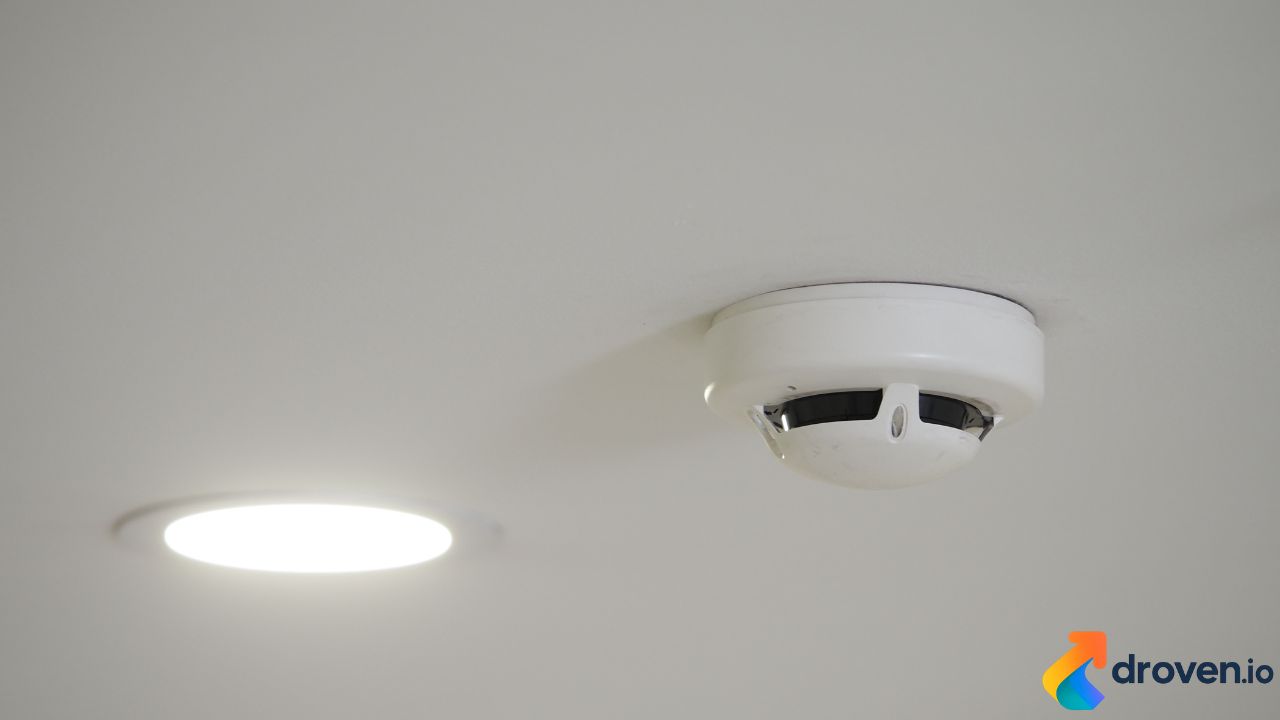
Fire safety is a critical concern for homeowners across Australia. Early detection of smoke can mean the difference between a minor incident and a devastating house fire. For this reason, photoelectric smoke alarms in Australia have become the preferred technology for residential fire detection.
These alarms are designed to detect smoke particles produced by fires and alert occupants immediately, giving families time to evacuate safely. Government regulations, safety organizations, and fire authorities increasingly recommend photoelectric smoke alarms because they provide faster detection for common household fires.
This guide explains how these alarms work, why they are widely recommended in Australia, and what homeowners should know about installation and compliance.
What Are Photoelectric Smoke Alarms?
Photoelectric smoke alarms—sometimes called optical smoke alarms—use light sensors to detect smoke particles in the air.
When smoke enters the chamber of the alarm, it scatters a beam of light inside the sensor. The scattered light reaches a detector, which triggers the alarm and produces a loud warning signal.
This technology is particularly effective at detecting smouldering fires, which are common in residential environments and may produce large amounts of smoke before visible flames appear.
Why Photoelectric Smoke Alarms Are Recommended in Australia
Fire safety authorities across Australia recommend photoelectric alarms because they respond more quickly to many real-world fire scenarios.
Key advantages include:
Faster Detection of Smouldering Fires
Smouldering fires—such as those caused by faulty wiring, overheated furniture, or electrical appliances—produce dense smoke before flames appear. Photoelectric sensors detect these particles early.
Fewer False Alarms
Photoelectric alarms are generally less prone to nuisance alarms caused by cooking fumes or steam compared to older ionisation alarms.
Safer Technology
Unlike ionisation alarms, photoelectric models do not contain radioactive materials, making them easier to dispose of and environmentally safer.
Because of these advantages, many fire authorities recommend installing photoelectric alarms as the standard safety solution in homes.
Australian Standards for Smoke Alarms
Smoke alarms sold or installed in Australia must comply with Australian Standard AS 3786, which defines performance, testing, and safety requirements.
Key aspects of this standard include:
- Minimum sound levels for alarms
- Testing procedures for reliability
- Power supply requirements
- Interconnection capabilities between multiple alarms
The latest version of this standard, AS 3786:2023, updates previous guidelines and incorporates new technologies for improved fire detection.
Legal Requirements for Smoke Alarms in Australia
While exact laws vary between states and territories, most regulations share similar requirements.
Typical requirements include:
- Smoke alarms must comply with AS 3786
- Photoelectric technology is strongly recommended or required
- Alarms must be installed on every storey of the home
- Alarms should be placed near bedrooms or sleeping areas
- Multiple alarms should be interconnected so they all sound together
In many states, alarms must be hardwired to mains power with a backup battery, especially in newer homes.
Where Smoke Alarms Should Be Installed
Correct placement is essential for effective fire detection.
Typical installation locations include:
- Hallways outside bedrooms
- Each level of the home
- Living areas and corridors
- Between bedrooms and exits
This placement ensures that occupants receive early warning during both day and night.
Power Options for Photoelectric Smoke Alarms
Modern smoke alarms in Australia usually operate using one of two power systems.
Hardwired Alarms
Hardwired alarms connect directly to the home’s electrical system and usually include a backup battery in case of power outages.
Sealed Battery Alarms
These alarms contain a non-removable 10-year lithium battery, designed to operate for the full lifespan of the device.
Both options are widely used depending on building age and installation requirements.
Interconnected Smoke Alarm Systems
Interconnected smoke alarms significantly improve safety.
When one alarm detects smoke, all alarms in the home activate simultaneously, alerting occupants regardless of where the fire begins.
This feature is particularly important for:
- Multi-storey homes
- Large houses
- Properties with bedrooms far from living areas
Interconnection can be achieved through wiring or wireless technology.
How Long Smoke Alarms Last
Smoke alarms are not designed to last forever. Most devices have a lifespan of about 10 years from the date of manufacture.
After this period, sensors may lose sensitivity, which can reduce effectiveness.
Homeowners should:
- Replace alarms every 10 years
- Test alarms regularly
- Clean devices to prevent dust buildup
Proper maintenance ensures alarms function correctly during emergencies.
Tips for Maintaining Smoke Alarms
To keep your smoke alarms operating properly:
- Test alarms monthly using the test button
- Replace backup batteries when needed
- Clean the alarm with a vacuum to remove dust
- Check the manufacture date to ensure the alarm is not expired
Regular checks help ensure the device provides reliable protection.
FAQs
What is a photoelectric smoke alarm?
A photoelectric smoke alarm uses optical sensors to detect smoke particles and trigger an alarm when smoke is present.
Are photoelectric smoke alarms required in Australia?
Many Australian states recommend or require photoelectric alarms because they detect common household fires more quickly.
How often should smoke alarms be replaced?
Most smoke alarms should be replaced every 10 years from the manufacturing date.
Can smoke alarms be installed without an electrician?
Battery-powered alarms can often be installed by homeowners, but hardwired alarms must be installed by a licensed electrician.
Where should smoke alarms be installed in a home?
They should be installed on every level of the home and near sleeping areas to ensure early warning during a fire.
