
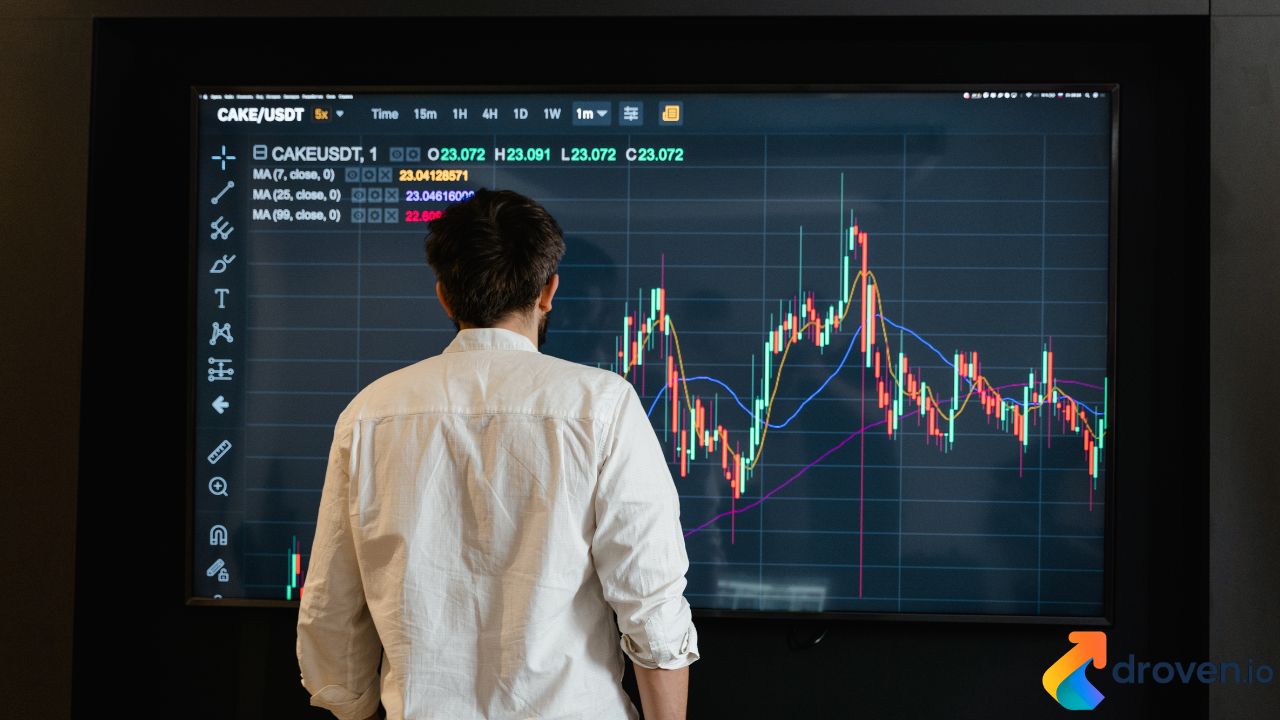
Financial transparency has become a major topic in modern politics, especially regarding how elected officials manage their investments. A politician investment tracker is a tool designed to monitor and analyze financial transactions made by politicians, including stock trades, asset ownership, and other investment activities.
These platforms allow the public, journalists, and investors to review disclosed financial data and better understand how political figures interact with financial markets.
What Is a Politician Investment Tracker?
A politician investment tracker is a digital platform or database that collects and organizes publicly disclosed financial information about politicians. In many countries, elected officials are legally required to report their financial holdings and trading activity.
These trackers compile that information and present it in a searchable and easy-to-understand format.
Typical data tracked includes:
- Stock purchases and sales
- Investment funds and ETFs
- Real estate holdings
- Corporate board positions
- Financial disclosure reports
By making this information accessible, a politician investment tracker helps increase accountability and transparency.
Why Financial Transparency in Politics Matters
Public officials often have access to policy discussions, regulatory decisions, and economic plans that could potentially influence financial markets. Transparency laws exist to reduce conflicts of interest and ensure that political leaders do not misuse insider information.
Tracking investment activity helps maintain public trust in democratic systems and financial markets.
Preventing Conflicts of Interest
If a politician owns stock in a company affected by legislation they support, it may raise concerns about personal gain influencing policy decisions.
Improving Government Accountability
Investment trackers allow journalists and watchdog organizations to analyze financial patterns and identify potential ethical issues.
Public Awareness
Citizens can better understand how elected officials manage their personal finances and whether their investments align with public responsibilities.
How Politician Investment Tracking Works
Most tracking platforms rely on publicly available financial disclosure reports submitted by politicians to regulatory bodies.
Data Collection
Financial disclosure forms are filed periodically and contain details about assets, investments, and transactions.
Data Analysis
Investment trackers analyze these filings and organize them into searchable databases.
Visualization Tools
Many platforms display information through charts, timelines, and dashboards to help users quickly identify trends in trading activity.
Alerts and Notifications
Some systems allow users to receive alerts when a politician reports a new stock purchase or sale.
Who Uses Politician Investment Trackers?
Several groups benefit from access to investment tracking platforms.
Journalists and Researchers
Investigative journalists frequently use these tools to uncover potential conflicts of interest or unusual trading patterns.
Investors
Some investors monitor political trading activity to identify trends or market signals, though such strategies should be used cautiously.
Ethics Watchdog Organizations
Transparency groups analyze financial disclosures to ensure that public officials comply with ethical guidelines and financial reporting laws.
Citizens
Public access to financial data allows voters to better understand the financial interests of elected representatives.
Legal Requirements for Financial Disclosure
Many governments require politicians to file regular financial disclosure reports.
These reports often include:
- Investment assets
- Income sources
- Business interests
- Gifts or benefits received
- Liabilities and debts
Regulations differ across countries, but the goal is generally the same: to promote transparency and prevent misuse of public office for private financial gain.
Limitations of Investment Tracking
While a politician investment tracker provides useful information, it also has limitations.
Reporting Delays
Financial disclosures are often submitted periodically rather than in real time. This means trades may appear weeks or months after they occur.
Limited Detail
Some reporting systems only require approximate ranges for asset values rather than exact amounts.
Data Interpretation
Investment activity does not always indicate unethical behavior. Many politicians use financial advisors or diversified funds to manage their portfolios.
The Role of Technology in Financial Transparency
Advances in financial technology have made it easier to collect and analyze large datasets related to political finance.
Modern investment trackers use:
- Data scraping tools
- Financial analytics software
- Automated monitoring systems
- Interactive dashboards
These technologies help transform complex financial disclosures into accessible information for the public.
Final Thoughts
A politician investment tracker plays an important role in promoting transparency and accountability in public office. By making financial disclosures easier to access and analyze, these platforms help ensure that political leaders remain accountable to the public they serve.
While investment tracking alone cannot eliminate conflicts of interest, it provides valuable oversight and supports more informed public discussions about ethics and governance.
FAQs
What is a politician investment tracker?
A politician investment tracker is a tool that monitors publicly disclosed financial investments and stock trades made by elected officials.
Are politicians required to disclose investments?
In many countries, politicians must submit financial disclosure reports detailing their assets, investments, and financial interests.
Can investors follow politicians’ trades?
Some investors monitor disclosed political trades, but these reports are often delayed and should not be used as the sole basis for investment decisions.
Why is financial disclosure important in politics?
Financial disclosure promotes transparency, reduces potential conflicts of interest, and helps maintain public trust in government institutions.
