
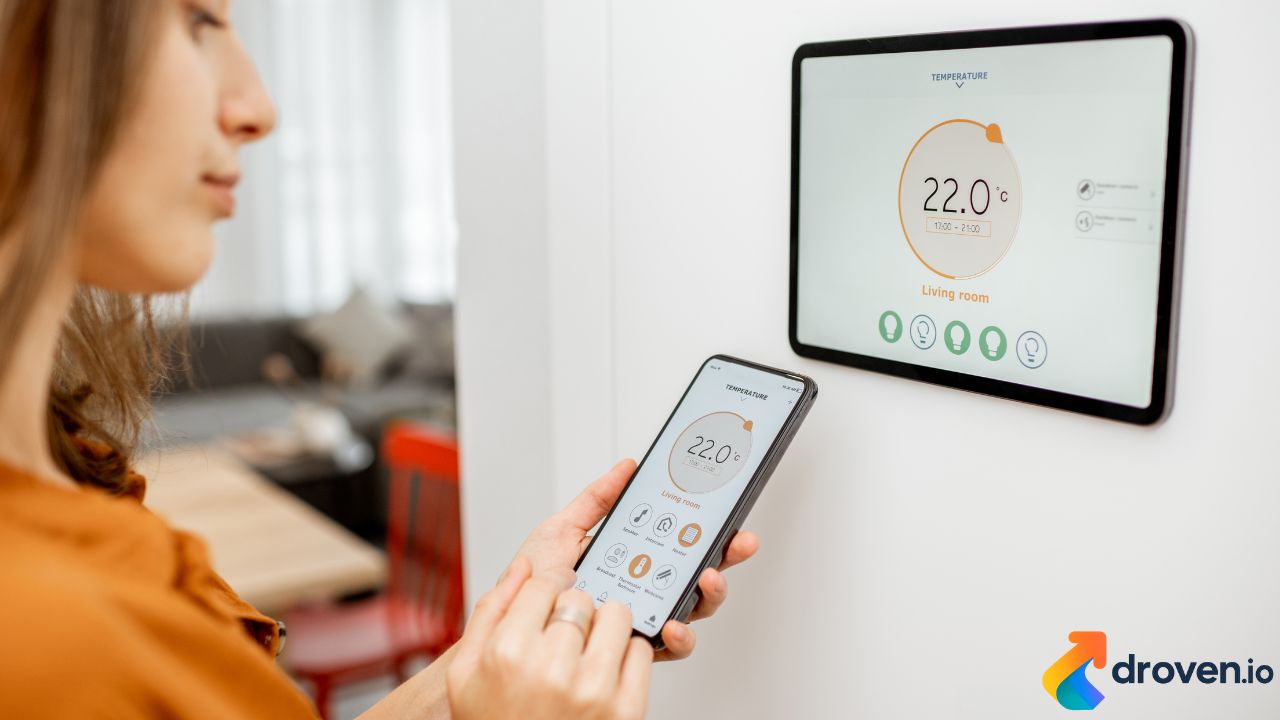
Heating and cooling systems account for a large portion of household energy consumption. Programmable and smart thermostats offer a modern solution for managing indoor temperatures efficiently while improving comfort and reducing energy costs.
By allowing homeowners to automate temperature settings or control systems remotely, these devices make it easier to maintain a comfortable home environment while optimizing energy usage.
What Are Programmable Thermostats?
Programmable thermostats allow users to schedule temperature changes throughout the day or week. Instead of manually adjusting the thermostat, homeowners can set specific heating or cooling schedules that automatically adjust based on daily routines.
For example, a programmable thermostat can:
- Lower the temperature while occupants are sleeping
- Reduce heating or cooling when the home is empty
- Restore comfortable temperatures before residents return
These automated adjustments help reduce unnecessary energy consumption.
What Are Smart Thermostats?
Smart thermostats expand on programmable features by adding internet connectivity and advanced automation. These devices connect to Wi-Fi and can be controlled through smartphone apps, voice assistants, or smart home systems.
In addition to scheduling, programmable and smart thermostats often include intelligent features such as:
- Remote control from mobile devices
- Learning algorithms that adapt to user habits
- Energy usage tracking
- Integration with smart home ecosystems
- Weather-based temperature adjustments
Smart thermostats provide greater convenience and more precise control over home climate systems.
Key Differences Between Programmable and Smart Thermostats
Although both types improve temperature control, they differ in functionality and technology.
Scheduling Capabilities
Programmable thermostats rely on manual schedules set by the homeowner. Smart thermostats can automatically adjust schedules based on user behavior and environmental conditions.
Connectivity
Smart thermostats connect to the internet and can be controlled remotely, while programmable thermostats typically operate only through the device interface.
Automation Features
Smart thermostats often include learning algorithms, geofencing, and real-time data analysis to optimize energy efficiency.
Integration with Smart Homes
Many smart thermostats work with voice assistants and home automation systems, enabling voice commands and automated routines.
Benefits of Programmable and Smart Thermostats
Installing programmable and smart thermostats offers several advantages for homeowners.
Energy Savings
Automated temperature adjustments help reduce unnecessary heating or cooling when a home is unoccupied.
Increased Comfort
These thermostats maintain consistent indoor temperatures and adjust automatically based on user preferences.
Remote Access
Smart thermostats allow homeowners to control their heating and cooling systems from anywhere using a smartphone or tablet.
Environmental Impact
Reducing energy consumption also lowers carbon emissions associated with heating and cooling systems.
Popular Features in Smart Thermostats
Modern smart thermostats include advanced features designed to improve convenience and efficiency.
Learning Technology
Some smart thermostats learn user preferences over time and automatically create optimized temperature schedules.
Geofencing
Geofencing technology detects when residents leave or return home using smartphone location data and adjusts temperatures accordingly.
Energy Reports
Energy usage reports help homeowners understand their heating and cooling patterns and identify opportunities to save energy.
Voice Control
Integration with voice assistants such as Alexa, Google Assistant, or Siri allows users to adjust temperatures using voice commands.
Installation Considerations
Before installing programmable or smart thermostats, homeowners should consider several factors.
HVAC System Compatibility
Not all thermostats are compatible with every heating or cooling system. It is important to verify compatibility before purchasing.
Professional Installation
Although many thermostats are designed for easy installation, professional installation may be recommended for complex HVAC systems.
Wi-Fi Connectivity
Smart thermostats require stable internet connectivity to enable remote control and advanced features.
Placement
Thermostats should be installed in areas that accurately represent the home’s average temperature, away from direct sunlight or drafts.
Cost and Return on Investment
The price of programmable and smart thermostats varies depending on features and brand.
Typical price ranges include:
- Programmable thermostats: $20–$100
- Smart thermostats: $100–$300+
Despite the higher upfront cost of smart thermostats, energy savings over time often offset the initial investment.
The Future of Smart Climate Control
Smart home technology continues to evolve, and thermostats are becoming more intelligent and integrated with other home systems.
Future innovations may include:
- AI-driven climate optimization
- Integration with renewable energy systems
- Advanced occupancy detection
- Improved predictive temperature control
These developments will further enhance the efficiency and convenience of home climate management.
Final Thoughts
Programmable and smart thermostats provide a practical way to improve energy efficiency and home comfort. By automating temperature control and offering advanced features such as remote access and energy monitoring, these devices help homeowners manage heating and cooling systems more effectively.
As smart home technology continues to advance, thermostats will play an increasingly important role in creating efficient, comfortable, and connected living environments.
FAQs
What is the difference between a programmable thermostat and a smart thermostat?
Programmable thermostats allow users to schedule temperature changes manually, while smart thermostats offer internet connectivity, remote control, and automated learning features.
Do smart thermostats save energy?
Yes. Smart thermostats can reduce energy consumption by automatically adjusting heating and cooling based on occupancy and usage patterns.
Can smart thermostats be controlled remotely?
Yes. Most smart thermostats can be controlled through smartphone apps, allowing users to adjust temperatures from anywhere.
Are programmable thermostats still useful?
Yes. Programmable thermostats provide basic scheduling features that can still help reduce energy consumption and improve comfort.
