
Injuries can occur in many situations—at home, at work, during sports activities, or while traveling. Practicing defense against potential injuries is essential for protecting your health, maintaining productivity, and avoiding costly medical treatment. By taking preventative measures and understanding common risk factors, individuals can significantly reduce the likelihood of accidents and injuries.
Injury prevention is not only important for athletes or workers in hazardous environments. Everyone can benefit from learning how to identify risks, adopt safer habits, and use protective measures in everyday life.
This guide explores practical strategies and safety practices that help individuals build effective defenses against potential injuries in various environments.
Why Injury Prevention Is Important
Injuries can affect physical health, mental well-being, and financial stability. Even minor injuries may lead to lost productivity, medical expenses, and reduced quality of life.
Developing a strong defense against potential injuries helps individuals:
- Reduce the risk of accidents
- Maintain physical health
- Avoid unnecessary medical costs
- Improve overall safety awareness
- Protect family members and coworkers
Preventative measures are often simple but highly effective when practiced consistently.
Common Situations Where Injuries Occur
Understanding where injuries are most likely to occur allows people to take appropriate safety precautions.
Workplace Environments
Workplace injuries can result from unsafe equipment, poor ergonomics, or a lack of protective gear. Industries such as construction, manufacturing, and healthcare often involve higher injury risks.
However, office environments can also lead to injuries such as repetitive strain injuries or back pain caused by poor posture.
Sports and Physical Activities
Athletes and fitness enthusiasts frequently face risks such as muscle strains, fractures, and joint injuries. Without proper training, warm-ups, and safety equipment, the risk of injury increases significantly.
Home Accidents
Many injuries occur at home due to slips, falls, burns, or improper handling of tools and appliances. Kitchens, bathrooms, and staircases are common areas where accidents happen.
Road and Transportation
Traffic accidents are another major cause of injuries worldwide. Defensive driving, seatbelt usage, and awareness of road conditions play important roles in preventing accidents.
Key Strategies for Defense Against Potential Injuries
Implementing simple safety practices can dramatically reduce injury risks in daily life.
Use Proper Protective Equipment
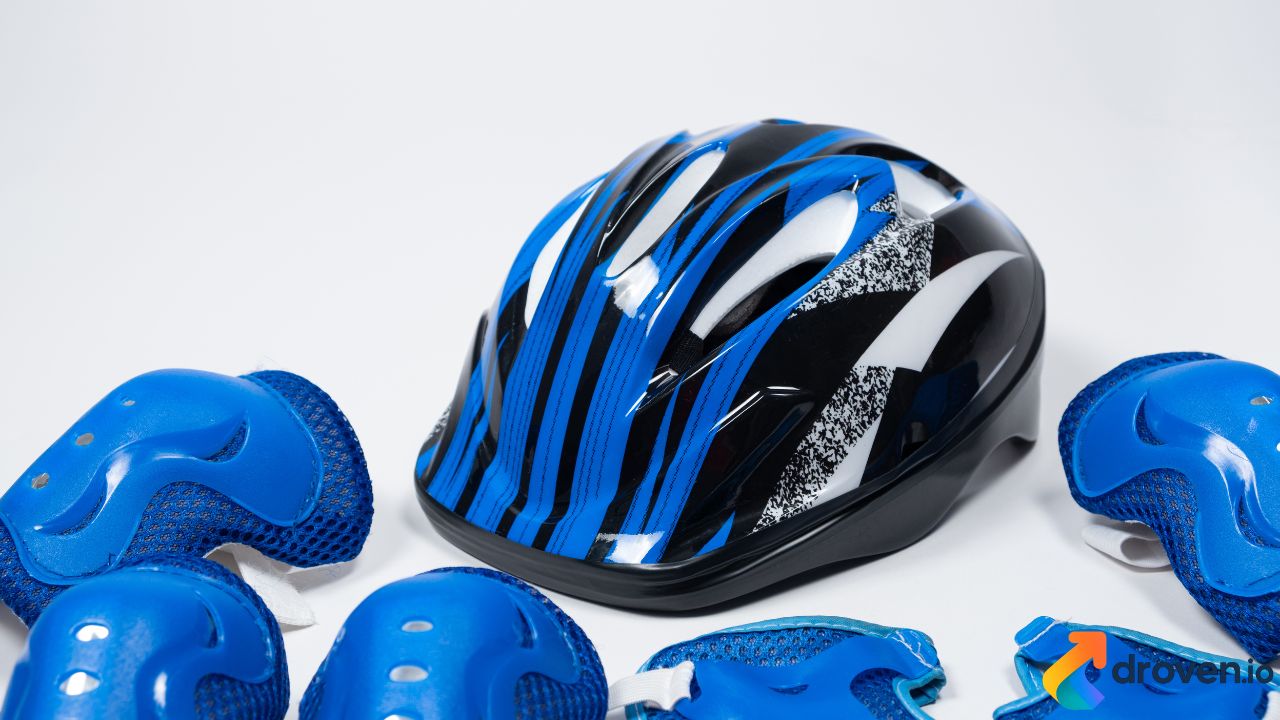
Protective gear is one of the most effective forms of defense against potential injuries. Depending on the activity, this may include:
- Helmets
- Safety gloves
- Knee and elbow pads
- Eye protection
- Steel-toe boots
- Safety harnesses
Wearing the appropriate equipment reduces the impact of accidents and protects vulnerable parts of the body.
Maintain Physical Fitness
Strong muscles and good flexibility help protect joints and bones during physical activity. Regular exercise, stretching, and strength training improve balance and coordination, reducing the likelihood of injuries.
Warm-up routines before physical activity also prepare muscles for movement and help prevent strains.
Improve Workplace Safety Practices
Employers and employees should prioritize workplace safety by following established safety guidelines. This may include:
- Using ergonomic furniture
- Maintaining equipment properly
- Providing safety training programs
- Installing safety signs and warnings
Organizations that promote a safety culture often experience fewer workplace accidents.
Practice Safe Movement and Lifting Techniques
Incorrect lifting techniques can cause serious back injuries. When lifting heavy objects:
- Bend your knees, not your back
- Keep the object close to your body
- Avoid twisting while lifting
- Ask for assistance when necessary
Proper lifting methods form an important part of defense against potential injuries in both workplaces and home environments.
Creating a Safer Home Environment
Homes should be designed and maintained with safety in mind to prevent accidents.
Reduce Fall Hazards
Falls are one of the most common causes of injuries at home. You can reduce risks by:
- Installing handrails on stairs
- Keeping floors free of clutter
- Using non-slip mats in bathrooms
- Ensuring adequate lighting in hallways
Store Hazardous Items Safely
Chemicals, sharp tools, and medications should always be stored securely and kept out of reach of children.
Proper storage helps prevent accidental poisoning or injuries.
Install Safety Devices
Smoke detectors, carbon monoxide detectors, and fire extinguishers provide additional protection against potential household hazards.
Regularly testing these devices ensures they function properly when needed.
Injury Prevention in Sports and Fitness
Athletes should adopt specific safety strategies to avoid injuries during training and competition.
Warm Up and Cool Down
Warming up increases blood flow to muscles and prepares the body for physical activity. Cooling down after exercise helps muscles recover and prevents stiffness.
Use Proper Equipment
Using the correct sports equipment is essential for defense against potential injuries. For example:
- Helmets for cycling
- Shin guards for soccer
- Wrist guards for skating
- Mouthguards for contact sports
Follow Training Guidelines
Overtraining or improper techniques can lead to injuries. Athletes should follow structured training programs and seek professional coaching when necessary.
Rest and recovery periods are also essential to allow the body to heal and rebuild.
Defensive Driving for Injury Prevention
Road accidents are a major source of serious injuries. Practicing defensive driving helps reduce these risks.
Key defensive driving practices include:
- Always wearing seatbelts
- Maintaining safe following distances
- Avoiding distractions such as mobile phones
- Obeying speed limits
- Being aware of the weather and road conditions
These practices provide a strong defense against potential injuries while driving or riding in vehicles.
The Role of Education and Awareness
Education plays a critical role in injury prevention. Safety awareness programs, training sessions, and public health campaigns help individuals understand risks and adopt safer behaviors.
Schools, workplaces, and communities can all contribute to promoting safety awareness and injury prevention strategies.
Encouraging people to recognize hazards and respond appropriately can significantly reduce accident rates.
Conclusion
Developing a strong defense against potential injuries is essential for maintaining health and safety in everyday life. Whether at home, at work, or during recreational activities, adopting preventative strategies can significantly reduce injury risks.
Using protective equipment, improving physical fitness, practicing safe lifting techniques, and creating safer environments are all effective ways to prevent accidents. By staying aware of potential hazards and making safety a priority, individuals can protect themselves and others from avoidable injuries.
Injury prevention is not about eliminating all risks but about reducing them through thoughtful planning and responsible behavior.
FAQs
What is the best defense against potential injuries?
The best defense involves a combination of safety awareness, protective equipment, proper training, and maintaining a safe environment.
Why is injury prevention important?
Injury prevention protects health, reduces medical costs, and helps maintain productivity and quality of life.
How can workplaces reduce injury risks?
Workplaces can reduce risks by implementing safety training, maintaining equipment, using protective gear, and encouraging safe work practices.
What role does physical fitness play in injury prevention?
Strong muscles, flexibility, and balance help protect the body during physical activities and reduce the likelihood of strains or falls.
How can homes be made safer to prevent injuries?
Homes can be made safer by removing fall hazards, installing safety devices, improving lighting, and storing dangerous items securely.
