
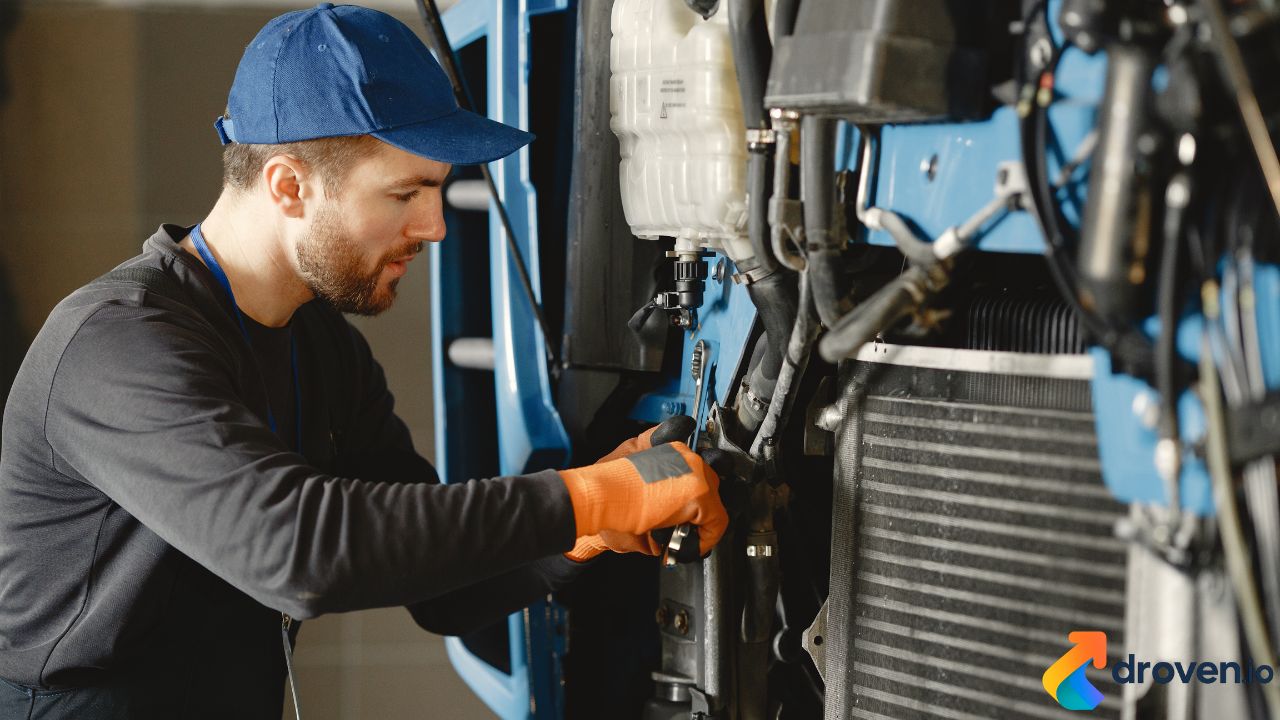
Keeping your heating system in good condition is essential for maintaining a comfortable and safe home environment. Residential gas furnace service includes professional maintenance, inspections, and repairs designed to ensure that a furnace operates efficiently throughout the colder months. Regular servicing helps prevent breakdowns, improves energy efficiency, and extends the lifespan of the heating system.
Gas furnaces are one of the most common heating systems in residential homes. Because they rely on natural gas or propane to produce heat, proper maintenance is critical for both performance and safety.
What Is Residential Gas Furnace Service?
Residential gas furnace service refers to the professional inspection, cleaning, maintenance, and repair of gas-powered heating systems used in homes. HVAC technicians perform these services to ensure that the furnace operates safely and efficiently.
A typical service visit may include checking the furnace components, cleaning internal parts, testing safety controls, and verifying that the heating system functions correctly.
Regular furnace service helps homeowners avoid unexpected heating problems during the winter.
Why Regular Furnace Service Is Important
Routine maintenance offers several important benefits for homeowners.
Improved Energy Efficiency
A clean and well-maintained furnace operates more efficiently, which can lower energy consumption and reduce heating costs.
Extended Equipment Lifespan
Regular service prevents excessive wear on furnace components, helping the system last longer.
Fewer Breakdowns
Preventive maintenance helps identify small problems before they become costly repairs.
Better Indoor Air Quality
Cleaning the furnace and replacing filters reduces dust and allergens circulating through the home.
Increased Safety
Gas furnaces must operate safely to prevent gas leaks or carbon monoxide hazards.
What Happens During a Furnace Service Visit
Professional HVAC technicians follow a detailed checklist when performing furnace maintenance.
Inspection of Furnace Components
The technician checks major components such as the heat exchanger, burner assembly, and blower motor.
Cleaning Internal Parts
Dust and debris are removed from burners, fans, and other internal components to maintain proper airflow.
Air Filter Replacement
A clogged air filter can reduce furnace efficiency. During service, the filter may be cleaned or replaced.
Thermostat Testing
The technician verifies that the thermostat communicates correctly with the heating system.
Safety Checks
Gas connections, ignition systems, and ventilation components are inspected to ensure safe operation.
These steps help ensure that the furnace is ready to operate reliably during the heating season.
Signs Your Furnace Needs Service
Certain warning signs indicate that a furnace may require professional maintenance or repair.
Common signs include:
- Uneven heating throughout the home
- Unusual noises from the furnace
- Higher-than-normal energy bills
- Frequent system cycling on and off
- Weak airflow from vents
- Yellow or irregular burner flames
If homeowners notice any of these issues, scheduling a furnace service appointment is recommended.
Furnace Repair vs. Furnace Maintenance
Although these terms are often used together, maintenance and repair are different services.
Furnace Maintenance
Maintenance involves routine cleaning, inspection, and adjustments to keep the furnace working efficiently.
Furnace Repair
Repair services address specific problems such as malfunctioning components, ignition failures, or gas valve issues.
Regular maintenance helps reduce the need for emergency repairs.
How Often Should a Gas Furnace Be Serviced?
Most HVAC experts recommend servicing a residential gas furnace once per year, preferably before the start of the winter heating season.
Annual inspections help ensure that the system is prepared for heavy use during cold weather.
Homeowners who schedule routine maintenance are less likely to experience heating system failures during winter.
Cost of Residential Gas Furnace Service
The cost of furnace service can vary depending on location and the complexity of the heating system.
Typical price ranges include:
- Basic furnace inspection: $80 – $150
- Standard maintenance service: $120 – $250
- Minor repairs: $150 – $500
More extensive repairs or replacement parts may increase the total cost.
Tips for Maintaining Your Furnace Between Services
Homeowners can take simple steps to help keep their furnace running efficiently.
- Replace or clean air filters regularly
- Keep vents and air registers clear of furniture
- Ensure the thermostat is working properly
- Keep the furnace area clean and free of clutter
- Schedule annual professional inspections
These simple habits help maintain airflow and improve furnace performance.
When to Consider Furnace Replacement
In some cases, replacing the furnace may be more practical than continuing repairs.
Common signs that replacement may be needed include:
- Furnace age exceeding 15–20 years
- Frequent repair costs
- Declining heating performance
- Rising energy bills
Newer furnace models are often more energy efficient and may reduce long-term heating costs.
FAQs
What does residential gas furnace service include?
It typically includes inspection, cleaning, safety testing, filter replacement, and performance checks by an HVAC technician.
How often should a gas furnace be serviced?
Most experts recommend servicing a furnace once per year before the winter heating season.
How long does a furnace service appointment take?
A standard furnace maintenance visit usually takes between 60 and 90 minutes.
Can homeowners service their own furnace?
Homeowners can perform basic maintenance such as replacing filters, but professional inspections are recommended for safety and proper operation.
How long does a residential gas furnace last?
With proper maintenance, most gas furnaces last between 15 and 20 years.
