
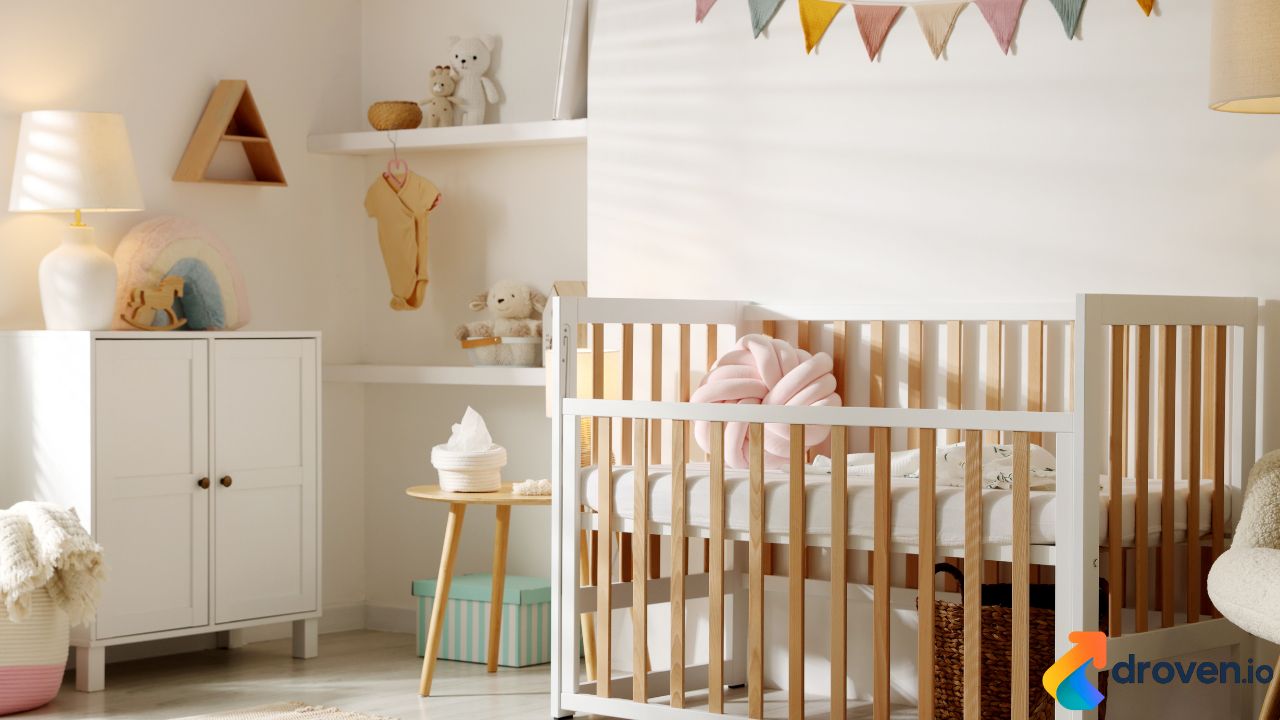
Creating a safe sleeping environment is one of the most important responsibilities for new parents. Safe baby cot beds for infants are designed to provide comfort, stability, and protection while babies sleep. Choosing the right cot bed helps reduce potential risks and supports healthy sleep habits during the early stages of development.
Baby cot beds are specially built cribs that provide a secure sleeping space for infants. These beds are typically designed with safety rails, firm mattresses, and durable materials to ensure babies remain protected while resting.
What Is a Baby Cot Bed?
A baby cot bed is a small bed designed specifically for infants and toddlers. Unlike adult beds, cot beds include protective side rails to prevent babies from rolling or falling out during sleep.
Many cot beds are convertible, meaning they can transform into toddler beds as the child grows. This allows parents to use the same bed for several years.
Cot beds are typically placed in a nursery or parents’ bedroom during the baby’s first months.
Why Safety Matters in Baby Cot Beds
Infants spend a large portion of their time sleeping, which makes the safety of their sleeping environment extremely important.
A well-designed cot bed helps:
- Prevent accidental falls
- Provide proper mattress support
- Reduce suffocation risks
- Maintain a comfortable sleep position
Following safe sleep guidelines ensures that babies sleep securely and peacefully.
Key Safety Features to Look For
When selecting a baby cot bed, parents should pay attention to several essential safety features.
Strong and Sturdy Frame
The cot bed should be built from durable materials such as solid wood or strong metal to ensure long-term stability.
Safe Spacing Between Bars
The distance between cot bars should be narrow enough to prevent the baby’s head or limbs from getting stuck.
Adjustable Mattress Height
Many cot beds include adjustable mattress positions. The mattress can be raised for newborns and lowered as the baby becomes more active.
Non-Toxic Materials
Cot beds should be finished with baby-safe paints or coatings that do not contain harmful chemicals.
Secure Mattress Fit
The mattress should fit snugly inside the cot frame with no gaps around the edges.
Choosing the Right Cot Bed Mattress
The mattress is just as important as the cot itself.
Firm Mattress Support
A firm mattress provides proper support for an infant’s developing body and reduces suffocation risks.
Breathable Materials
Mattresses made with breathable materials help regulate temperature and improve airflow.
Waterproof Cover
Many infant mattresses include waterproof covers to protect against spills and accidents.
Proper Fit
The mattress should match the exact size of the cot bed to prevent gaps.
Safe Sleep Guidelines for Infants
Parents should follow recommended sleep safety guidelines when using baby cot beds.
Place Baby on Their Back
Infants should always sleep on their backs to reduce the risk of sudden infant death syndrome (SIDS).
Keep the Cot Free of Loose Items
Avoid placing pillows, stuffed toys, or heavy blankets in the cot.
Use a Fitted Sheet Only
A simple fitted sheet is sufficient for infant sleep environments.
Maintain Comfortable Room Temperature
The nursery should be kept at a comfortable temperature to prevent overheating.
Types of Baby Cot Beds
There are several types of cot beds available for infants.
Standard Cot Beds
These are traditional cribs designed for newborns and infants.
Convertible Cot Beds
Convertible cot beds can transform into toddler beds as the child grows.
Portable Cot Beds
Portable or travel cot beds are lightweight and easy to move, making them ideal for trips or temporary setups.
Co-Sleeper Cot Beds
These cot beds attach to the parents’ bed, allowing the baby to sleep close while maintaining a separate safe space.
Tips for Setting Up a Safe Nursery
Creating a safe nursery environment involves more than just choosing the right cot.
Helpful tips include:
- Place the cot away from windows, cords, and blinds
- Ensure the cot is on a stable, level surface
- Avoid hanging items above the cot
- Check screws and joints regularly for stability
- Use a baby monitor for additional supervision
These steps help maintain a secure environment for infants.
When to Transition from Cot to Toddler Bed
Most children move from a cot bed to a toddler bed between 18 months and 3 years old, depending on their growth and mobility.
Signs that it may be time to transition include:
- The child trying to climb out of the cot
- Reaching the cot’s height limit
- Outgrowing the mattress size
Convertible cot beds make this transition easier for both parents and children.
FAQs
What makes a baby cot bed safe?
A safe cot bed includes sturdy construction, proper bar spacing, a firm mattress, and non-toxic materials.
What type of mattress is best for infants?
A firm, breathable mattress that fits tightly inside the cot frame is recommended for infant safety.
Can newborns sleep in cot beds?
Yes. Cot beds are designed for newborns and provide a safe sleeping space when used with proper safety guidelines.
How long can a baby use a cot bed?
Most babies use cot beds until they are around 2 to 3 years old, depending on the cot design and child development.
Should babies sleep with pillows in cot beds?
No. Pillows and loose bedding should be avoided in infant sleep spaces to reduce safety risks.
