
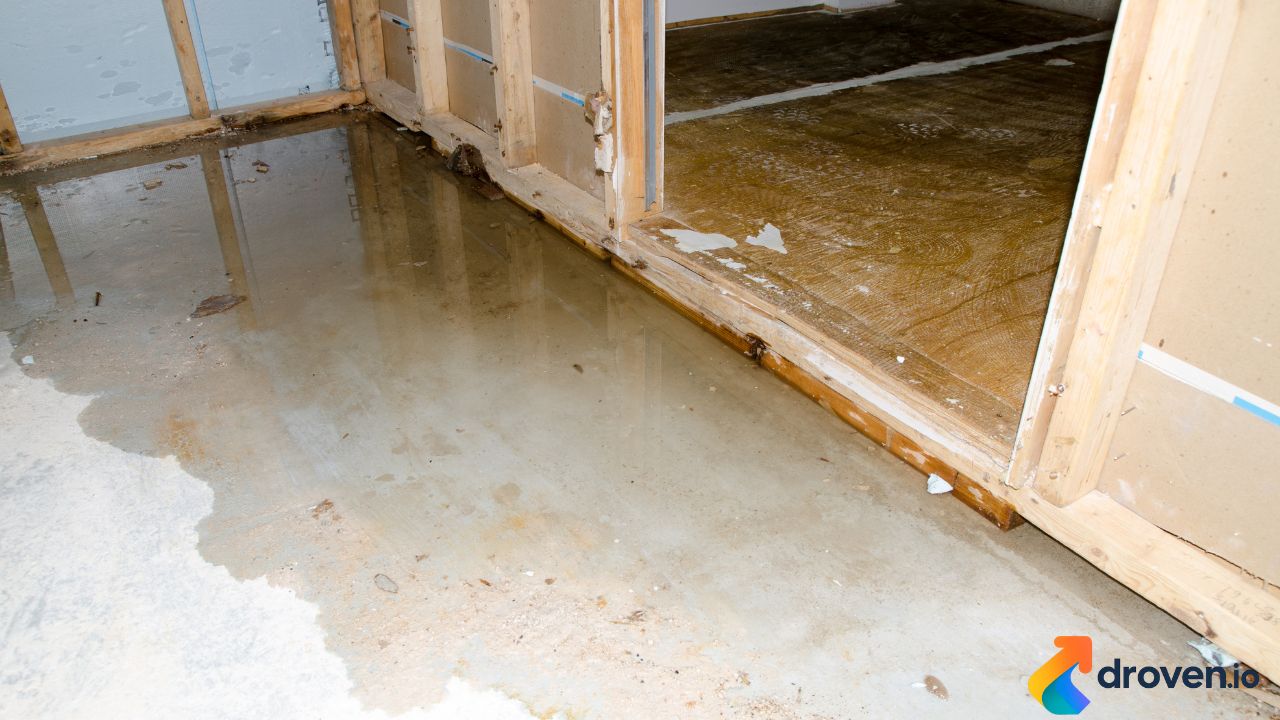
Basement flooding Toronto can happen suddenly and cause costly damage, but you can take concrete steps to protect your home and your belongings. If you want the fastest path to reducing risk, focus on improving surface drainage, installing or maintaining backflow prevention, and applying for the City of Toronto’s Basement Flooding Protection programs and subsidies where you qualify.
You’ll learn what typically causes basement flooding in the city — from heavy storms and overwhelmed sewers to poor yard grading and foundation cracks — and which fixes actually work for Toronto properties. This article maps practical prevention measures, what the city offers, and how to prioritize upgrades so you spend less on repairs and more on long-term protection.
Causes of Basement Flooding in Toronto
You face several predictable risks that lead to basement flooding in Toronto: intense rainfall that overwhelms surface and municipal systems, sewer backups tied to combined or aging pipes, and localized foundation or drainage failures that let water into your basement.
Heavy Rainfall and Storms
Intense storms can drop 50–100 mm of rain in a few hours during summer nor’easters and convective storms in Toronto. That volume exceeds the absorption capacity of compacted urban soil and the design limits of older storm sewers, so water pools at low points — often your basement window wells, window sills, or driveway-grade entrances.
Surface runoff follows the path of least resistance. If your lot grading directs water toward the house, or eavestroughs and downspouts discharge near the foundation, you can expect water to concentrate against basement walls and seep through mortar joints or window penetrations. Clogged catchbasins and overwhelmed city sewers during extreme events increase this risk.
Sewer Backup Risks
Toronto’s combined sewer system and separate sanitary sewers can both contribute to basement flooding through backups. During heavy precipitation, combined systems convey stormwater and sewage together; when capacity is exceeded, flow can reverse into private sanitary laterals and basement floor drains.
Blockages from fat, roots, or collapsed pipes create localized backup points. If your home lacks a backwater valve or the valve is not maintained, you have a direct route for sewage to enter sinks, toilets, and floor drains. The City of Toronto identifies specific flood-prone neighbourhoods where older infrastructure and topography make backups more likely.
Foundation Cracks and Drainage Issues
Your foundation can fail to keep water out due to hairline cracks, settled footings, or deteriorated mortar at block joints. Hydrostatic pressure rises when groundwater levels climb after prolonged rain or rapid snowmelt; this pressure forces water through any weakness in the wall or through weep holes and construction joints.
Exterior drain tiles (weeping tiles) can clog with silt or roots, or they may be missing on older homes. Without functional perimeter drainage, water accumulates at the foundation base and finds entry through seams or the concrete slab. Interior solutions like sump pumps can help, but they require correct installation and routine testing to protect your basement during prolonged events.
Prevention and Solutions for Toronto Homeowners
You can reduce flood risk by combining durable exterior measures, reliable mechanical systems, and effective interior drainage. Prioritize actions that address how water reaches your home and how your basement handles water once it arrives.
Waterproofing Techniques
Exterior waterproofing prevents water from entering your foundation by stopping it before it reaches your walls or floor. Inspect and repair foundation cracks with polyurethane or hydraulic cement; these products expand and seal gaps. Ensure exterior drainage panels and membrane systems cover the foundation from footing to just below grade where possible.
Grade soil away from the foundation at least 2% slope for the first 1–2 metres. Install or repair gutters and downspout extensions so water discharges at least 2 metres from your foundation. Consider applying a silane/siloxane sealer to masonry for added repellency while allowing vapor diffusion.
Interior waterproofing, like cementitious coatings and drainage channels tied to a sump, helps when exterior work isn’t feasible. Use vapour barriers on walls prone to dampness and choose materials rated for Toronto’s freeze-thaw cycles.
Sump Pump Installation and Maintenance
Install a primary sump pump with at least a 1/3 to 1/2 HP motor and a vertical float switch or electronic sensor for reliable activation. Add a battery backup pump with automatic transfer to keep pumping during power outages common in severe storms. Ensure the sump pit is sized to local recommendations (often 18–24 inches diameter, 24–30 inches deep) and lined with coarse gravel for proper flow.
Test pumps monthly by pouring water into the pit until the float activates. Replace the primary pump every 5–7 years or sooner if run hours spike. Inspect discharge piping for clogs and freeze protection; pipe should run to daylight or to a storm sewer where permitted by the City of Toronto, with a check valve to prevent backflow.
Basement Drainage Systems
Internal perimeter drains (French drains) collect water at the base of foundation walls and route it to the sump. Use rigid pipe or corrugated ABS designed for sub-surface drainage, bedded in clean washed stone to maintain flow. Tie the system into your sump pump; ensure joints are sealed and slope is maintained toward the pit.
Consider installing a backwater valve or sewer backup prevention device on the sanitary line if your sewer surcharge risk is high. Have a licensed plumber inspect and, if needed, install the valve to meet local codes. Keep catchbasins and area drains near your property clear of debris; schedule inspections before spring thaw and after major storms.
