
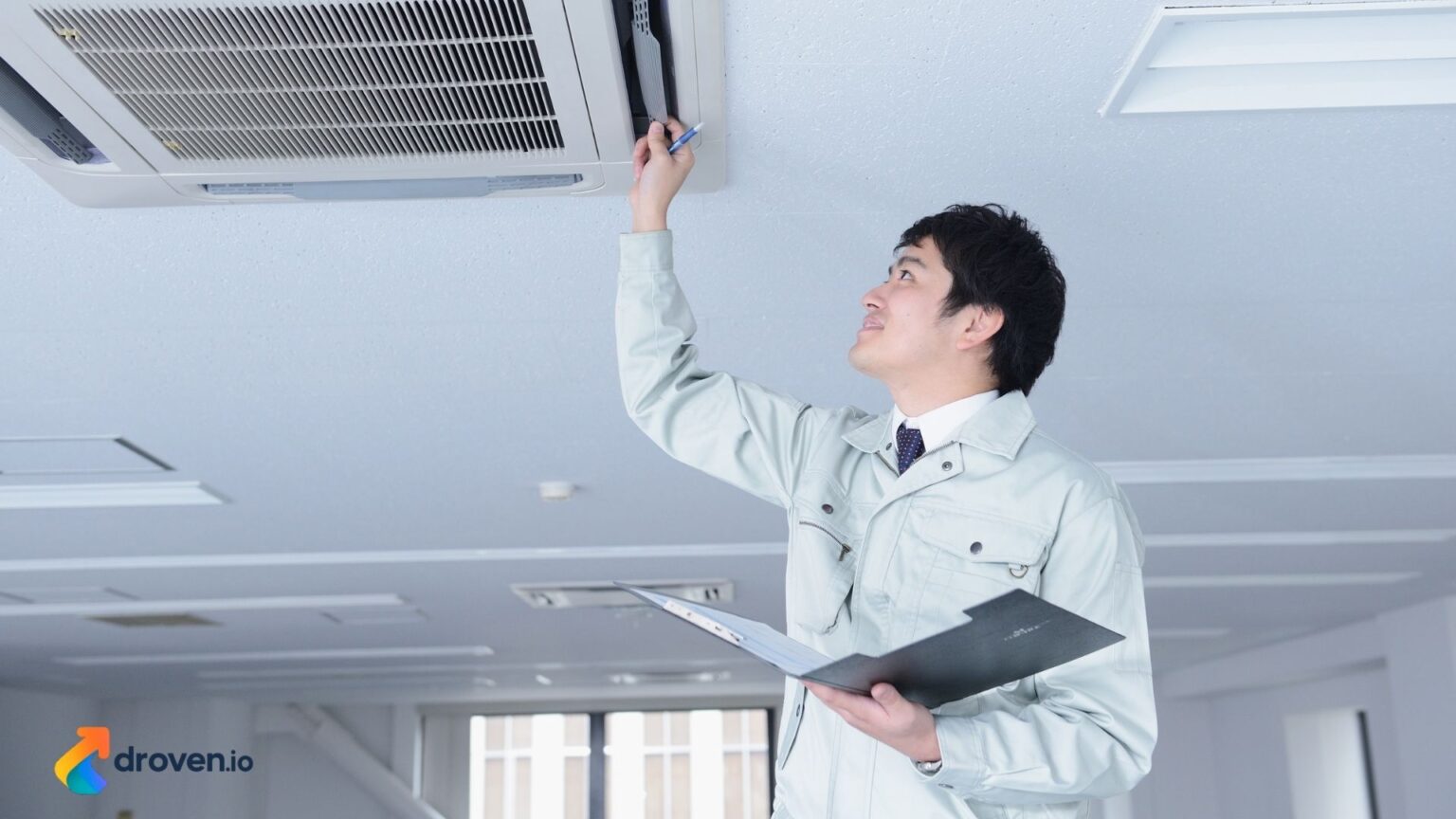
Workplace health and safety have become top priorities for organizations across all industries. Indoor air quality plays a critical role in employee well-being, yet it is often underestimated. Proper air filtration systems are essential for reducing exposure to harmful airborne contaminants and creating a safer working environment.
Identifying Common Airborne Hazards
Workplace environments can contain a variety of airborne hazards, including dust, allergens, chemical vapors, and microbial contaminants. These pollutants can originate from manufacturing processes, office equipment, cleaning products, or even outdoor air entering the building.
Without effective filtration, these particles can accumulate, posing significant health risks over time. Employees exposed to poor air quality may experience respiratory problems, allergic reactions, and general discomfort.
Identifying these hazards is the first step toward implementing effective filtration solutions.
The Role of High-Performance Filtration Systems
High-performance air filtration systems are designed to capture a wide range of contaminants, from large particles to microscopic pollutants. Filters with higher efficiency ratings can significantly reduce the concentration of harmful substances in the air.
In addition to standard HVAC filters, advanced technologies such as HEPA filtration and activated carbon systems can provide enhanced protection. These systems are particularly useful in environments with higher levels of contamination.
Maintaining proper airflow is equally important. Even the best filters cannot perform effectively if airflow is restricted or inconsistent. Well-maintained compressed air systems can help support consistent airflow and reliable performance in applications that depend on clean, controlled air.
Reducing Illness and Absenteeism
Improved air quality directly contributes to better employee health. By reducing exposure to airborne pollutants, businesses can decrease the incidence of respiratory illnesses and other health issues.
This leads to fewer sick days and increased productivity. Employees who feel safe and comfortable in their environment are more likely to perform at their best.
Investing in air filtration is therefore not only a health initiative but also a business strategy that supports operational efficiency.
Addressing Industry-Specific Risks
Different industries face unique air quality challenges. Manufacturing facilities may deal with dust and fumes, while healthcare settings must manage pathogens and biological contaminants.
Targeted solutions are essential for addressing these specific risks. For instance, installing a quality laser cutter fume extractor in environments where hazardous emissions are generated helps capture pollutants at the source, preventing them from spreading throughout the facility.
This approach reduces overall exposure and enhances the effectiveness of broader filtration systems.
Ensuring Compliance and Safety Standards
Regulatory bodies often require businesses to maintain specific air quality standards. Failure to comply with these regulations can result in penalties and potential legal issues.
Proper air filtration systems help businesses meet these requirements while demonstrating a commitment to employee safety. Regular inspections and maintenance ensure continued compliance and optimal system performance.
Investing in compliant systems also protects businesses from liability and enhances their reputation as responsible employers.
Conclusion
Proper air filtration is a critical component of workplace health and safety. By identifying hazards, implementing high-performance systems, and addressing industry-specific risks, businesses can significantly reduce health risks and create safer environments.
Beyond compliance, these efforts contribute to employee well-being, productivity, and long-term organizational success, making air filtration a vital investment for any workplace.
