
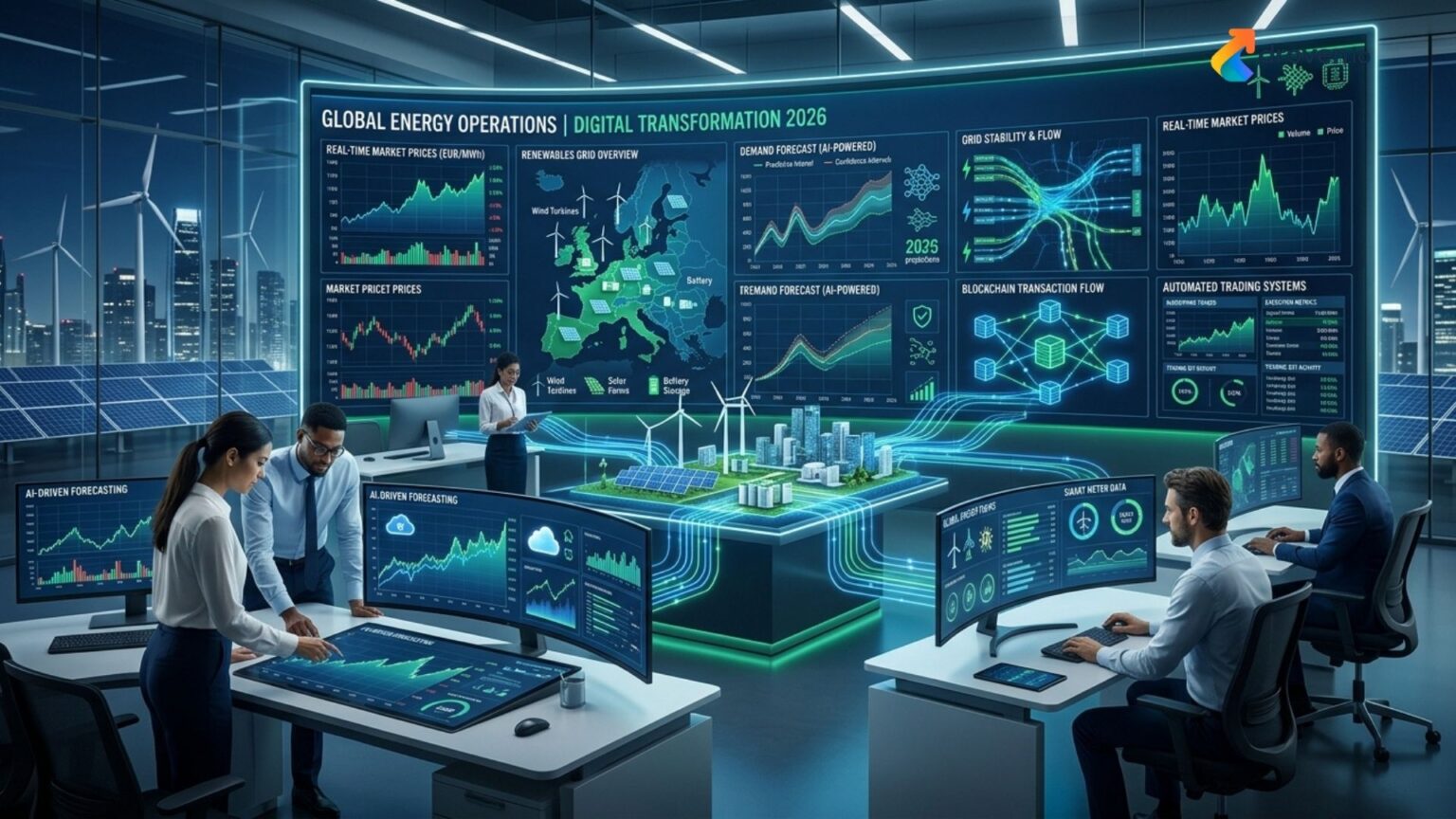
There has been a great evolution in energy markets during the last decade. Organizations are forced to work with huge amounts of data from different sources, such as weather predictions, indicators of electricity network efficiency, geopolitics, and others. The problem is that many trading platforms cannot cope with such tasks due to the necessity to operate quickly. However, digitalization solves these problems through the automation of some processes, through the integration of various data, and getting insights from it. It means that traders can react faster to changing circumstances and minimize potential risks. In 2026, there will be no doubts regarding the need for digital transformation. It will become a crucial issue that helps companies survive.
Automation Improves Operational Efficiency
Automation is one of the technological changes that has affected the way energy is traded. Firms have started automating activities that consume too much time, such as trade capture, validation, settlement, and reporting. With automation minimizing human intervention, there has been a reduction in human errors as well as an improvement in accuracy in operations. Automation has also improved the speed of transactions, thus creating room for more important tasks. Some of the areas where firms have increased automation have seen improvements, including trade execution speed, compliance management, and cost reduction.
The Decision-Making Process Has Changed Due To AI
AI has changed the process of making decisions for the energy trader. AI-based solutions can analyze massive amounts of structured and unstructured data in real time and discover some patterns that are not visible to people. Machine learning algorithms enable forecasting of energy consumption, price fluctuations, trading opportunities, and management of investment portfolios. It makes it possible to make more efficient decisions and, thus, to avoid certain risks related to market volatility. By 2026, the use of AI-based solutions that help in trading will be an integral part of any energy trading activity. The companies that use AI-based solutions effectively enjoy a strong competitive advantage because of increased forecasting and decision-making efficiency.
Cloud Technology Makes It Possible to Achieve Scalability and Flexibility
Cloud computing is now considered to be an essential part of digital transformation in the energy industry. This technology provides the scalability that is required to manage growing volumes of trading data with high performance, which can be done with the help of Intellimachs. Unlike the traditional on-premise model of computing, the cloud technology enables companies to deploy applications quickly and cut costs on infrastructure, as well as to work remotely. Energy traders can use all necessary information at any moment, which enables them to respond to changes in the environment. Moreover, cloud computing makes it possible to integrate trading systems, risk management software, and other enterprise applications.
Advanced Analytics Increases Market Intelligence
Today, information is among the primary resources in the field of energy trading. However, merely gathering information will not provide any competitive advantages until this information is processed properly and turned into insights. With advanced analytics tools, traders receive more insight into market operations, performance, and potential threats. Indeed, with the help of a dashboard and predictions, companies have an opportunity to analyze market trends and evaluate their trading strategies. Quick processing of big data allows energy companies to take proactive actions regarding market conditions.
Digital Risk Management is Getting More Sophisticated
Risk management has always been an important part of the process of energy trading. In order to operate successfully on the modern energy market, more sophisticated ways of dealing with risks need to be employed. Due to digitalization, some platforms can monitor market risks, credit risks, operational risks, and regulatory risks. Moreover, these platforms help see clearly what risks a company faces and generate alerts if the predefined limits are reached. Modern risk management solutions also allow carrying out the analysis of different scenarios and stress tests for the purposes of understanding the possible impacts of certain events on the energy market.
The Integration of ETRM Systems Speeds up the Innovations
Energy Trading and Risk Management (ETRM) systems continue to play an essential role in the process of trading. In 2026, companies will begin the integration of ETRM systems with digital innovations in order to make trading more flexible and effective. The integration of ETRM systems ensures the smooth exchange of information between the front office, middle office, and back office. It leads to greater transparency and the absence of information silos that may negatively affect performance. With the increase in the number of qualified professionals, many companies have begun investing in special training in systems like endur.
Cyber Security Is One of the Priorities in Digital Transformation
Because of the increased digitization of energy trading operations, cybersecurity has become one of the most relevant topics. The sector remains open to cyber-attacks because of its high economic value and reliance on digital infrastructure. A proper cybersecurity program that would include multi-factor authentication, threat detection tools, data encryption, and monitoring has been put into effect. It ensures the protection of the valuable information used in trading and the continuity of the business operations. Cybersecurity in 2026 is no longer viewed as an IT issue but has become an important component of risk management and digital transformation strategy.
Future Perspectives for Energy Trading Operations
Digital transformation processes in the sphere of energy trading are set to intensify in the near future. Some emerging technologies, such as generative AI, blockchain, digital twins, and autonomous trading solutions, will certainly present new opportunities to increase efficiency in operations. The firms that implement digital transformation today will get more opportunities for adapting to new market conditions, changes in legislation, and the needs of their clients. The point is that in the highly competitive environment of energy trading, the implementation of technologies of digital transformation will be very important.
Conclusion:
In 2026, the use of technological tools such as automation, AI, cloud computing, analysis, ETRM systems, and better cybersecurity will enable efficiency, risk management, and decision-making. Due to changes occurring in the energy sector all the time, technology is playing an increasingly important role in future success. Companies that increase technology usage will be ready for any challenge or opportunity in energy trading.
