
Pest control in Central Virginia is essential for maintaining a safe, healthy, and comfortable property throughout the year. The region’s changing seasons, humid climate, and wooded landscapes create ideal conditions for a wide range of pests, including termites, ants, rodents, mosquitoes, spiders, cockroaches, and stinging insects. Whether you own a home or manage a commercial property, proactive pest management can help prevent infestations, protect your investment, and reduce health risks associated with unwanted pests.
Professional pest control services combine inspections, targeted treatments, and preventative strategies to address current pest problems while reducing the likelihood of future infestations.
Why Pest Control Is Important in Central Virginia
Central Virginia experiences warm summers, mild springs, and cool winters, creating an environment where many pests remain active throughout much of the year. Moisture, vegetation, and nearby wooded areas further contribute to pest activity.
Professional pest control helps:
- Protect homes from structural damage
- Reduce health risks associated with pests
- Prevent food contamination
- Eliminate recurring infestations
- Improve indoor comfort
- Preserve property value
Routine inspections and preventative treatments can often identify problems before they become costly.
Common Pests Found in Central Virginia
Different pests require different treatment methods. Understanding the most common species helps property owners recognize problems early.
Termites
Termites are among the most destructive pests in Central Virginia. They feed on wood and other cellulose-based materials, often causing damage before homeowners notice any visible signs.
Common signs include:
- Mud tubes along foundations
- Hollow-sounding wood
- Discarded wings
- Tight-fitting doors and windows
- Damaged wooden structures
Early termite inspections are essential to minimize structural damage.
Ants
Several ant species commonly invade homes in search of food and moisture.
Common types include:
- Carpenter ants
- Pavement ants
- Odorous house ants
- Argentine ants
Professional treatment identifies nesting areas and eliminates colonies rather than simply treating visible ants.
Rodents
Mice and rats often seek shelter indoors during colder months.
Rodent infestations may lead to:
- Property damage
- Contaminated food
- Damaged wiring
- Health concerns
- Unpleasant odors
Proper exclusion techniques and monitoring help reduce rodent activity.
Mosquitoes
Mosquitoes thrive in areas with standing water during warmer months.
Effective mosquito management includes:
- Eliminating breeding sites
- Treating outdoor areas
- Managing vegetation
- Reducing standing water around the property
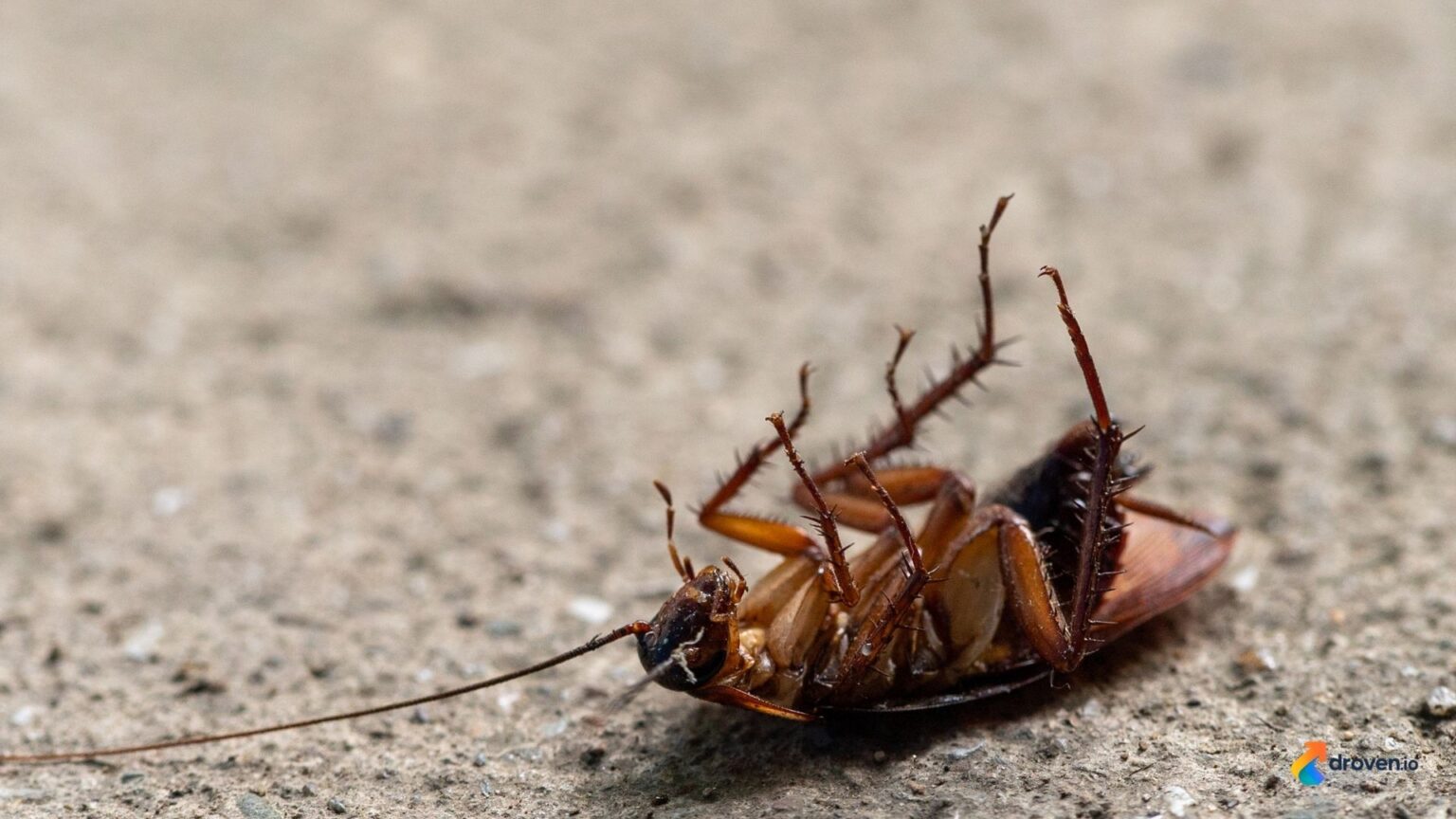
Cockroaches
Cockroaches reproduce quickly and can contaminate food preparation areas.
Signs of infestation include:
- Droppings
- Egg cases
- Musty odors
- Nighttime activity
Professional treatment often includes targeted baiting and sanitation recommendations.
Spiders
Most spiders found in Central Virginia are harmless, but they can become a nuisance when populations increase.
Removing food sources such as insects often helps reduce spider activity.
Residential Pest Control Services
Homeowners benefit from customized pest management plans designed to protect both indoor and outdoor spaces.
Common residential services include:
- General pest control
- Termite inspections
- Rodent control
- Mosquito treatments
- Ant control
- Spider treatments
- Cockroach elimination
- Wasp and hornet nest removal
- Seasonal pest prevention
Regular service visits help maintain long-term protection.
Commercial Pest Control
Businesses require reliable pest management to maintain clean, safe environments for employees and customers.
Commercial pest control may include:
- Office buildings
- Restaurants
- Warehouses
- Retail stores
- Healthcare facilities
- Schools
- Hotels
- Property management
Integrated pest management programs are often tailored to the needs of each industry.
Signs You Need Professional Pest Control
Many infestations begin with subtle warning signs.
Watch for:
Droppings
Rodent or insect droppings often indicate active pest activity.
Property Damage
Chewed materials, damaged wood, or gnawed wiring may signal rodents or termites.
Strange Noises
Scratching sounds inside walls or ceilings often suggest rodent activity.
Visible Insects
Frequent sightings of insects indoors may indicate hidden nests or breeding populations.
Unpleasant Odors
Persistent musty or foul smells sometimes accompany pest infestations.
Benefits of Professional Pest Control
Professional pest management provides advantages beyond temporary pest removal.
Accurate Pest Identification
Different pests require different treatment strategies. Professionals identify the specific species before recommending solutions.
Targeted Treatments
Treatments are applied where they are most effective while minimizing unnecessary product use.
Preventative Protection
Routine service helps prevent future infestations rather than only addressing current problems.
Expert Recommendations
Professionals often recommend:
- Moisture control
- Entry point sealing
- Landscape improvements
- Sanitation practices
- Structural repairs
These measures reduce the conditions that attract pests.
Integrated Pest Management (IPM)
Many pest control providers use Integrated Pest Management (IPM), a long-term approach that combines prevention, monitoring, and targeted treatments.
An IPM program may include:
- Property inspections
- Pest identification
- Habitat modification
- Exclusion techniques
- Monitoring devices
- Targeted applications when necessary
This approach focuses on effective pest management while supporting responsible treatment practices.
Seasonal Pest Control in Central Virginia
Different seasons bring different pest challenges.
Spring
Common pests include:
- Ants
- Termites
- Wasps
- Mosquitoes
Summer
Warmer temperatures often increase activity from:
- Mosquitoes
- Flies
- Cockroaches
- Stinging insects
Fall
Rodents and spiders frequently seek indoor shelter as temperatures cool.
Winter
Although outdoor activity decreases, indoor pest problems can continue, especially with rodents and cockroaches.
Year-round pest management helps address seasonal changes effectively.
Choosing the Right Pest Control Company
Selecting a qualified pest control provider involves several considerations.
Look for companies that offer:
- Licensed technicians
- Comprehensive inspections
- Customized treatment plans
- Clear pricing
- Strong customer reviews
- Ongoing maintenance programs
- Excellent customer support
Choosing an experienced provider helps ensure effective and reliable service.
Preventing Pest Infestations
Simple maintenance practices can reduce the risk of pest problems.
Helpful prevention tips include:
- Seal cracks and gaps around doors and windows
- Store food in airtight containers
- Repair plumbing leaks promptly
- Remove standing water
- Keep landscaping trimmed
- Dispose of trash regularly
- Inspect your home for signs of pest activity
Combining preventative maintenance with professional inspections can reduce long-term pest issues.
Residential vs. Commercial Pest Control
| Feature | Residential Pest Control | Commercial Pest Control |
|---|---|---|
| Primary Focus | Homes | Businesses |
| Service Plans | Seasonal or recurring | Customized maintenance programs |
| Common Pests | Ants, rodents, termites, spiders | Rodents, cockroaches, flies, stored-product pests |
| Treatment Areas | Interior and exterior | Larger facilities and specialized environments |
| Compliance Needs | General safety | Industry-specific regulations may apply |
FAQs
What pests are most common in Central Virginia?
Common pests include termites, ants, rodents, mosquitoes, spiders, cockroaches, wasps, and ticks.
How often should pest control services be scheduled?
Many properties benefit from quarterly pest control services, though the ideal schedule depends on the property, pest pressure, and treatment plan.
Are termite inspections important?
Yes. Regular termite inspections can help detect activity early and reduce the risk of significant structural damage.
Can professional pest control help prevent future infestations?
Yes. Preventative treatments, inspections, and recommendations for sealing entry points and reducing attractants can lower the risk of recurring pest problems.
Is pest control safe for homes and businesses?
Professional pest control companies follow product label instructions and applicable regulations. They can also advise occupants on any precautions related to specific treatments.
Conclusion
Professional pest control in Central Virginia helps protect homes and businesses from a wide variety of pests that can damage property, contaminate food, and create health concerns. By combining regular inspections, targeted treatments, and preventative maintenance, property owners can reduce the risk of infestations throughout the year. Whether you’re dealing with termites, rodents, ants, mosquitoes, or other common pests, partnering with an experienced pest control provider can help maintain a safer, healthier, and more comfortable environment.
