
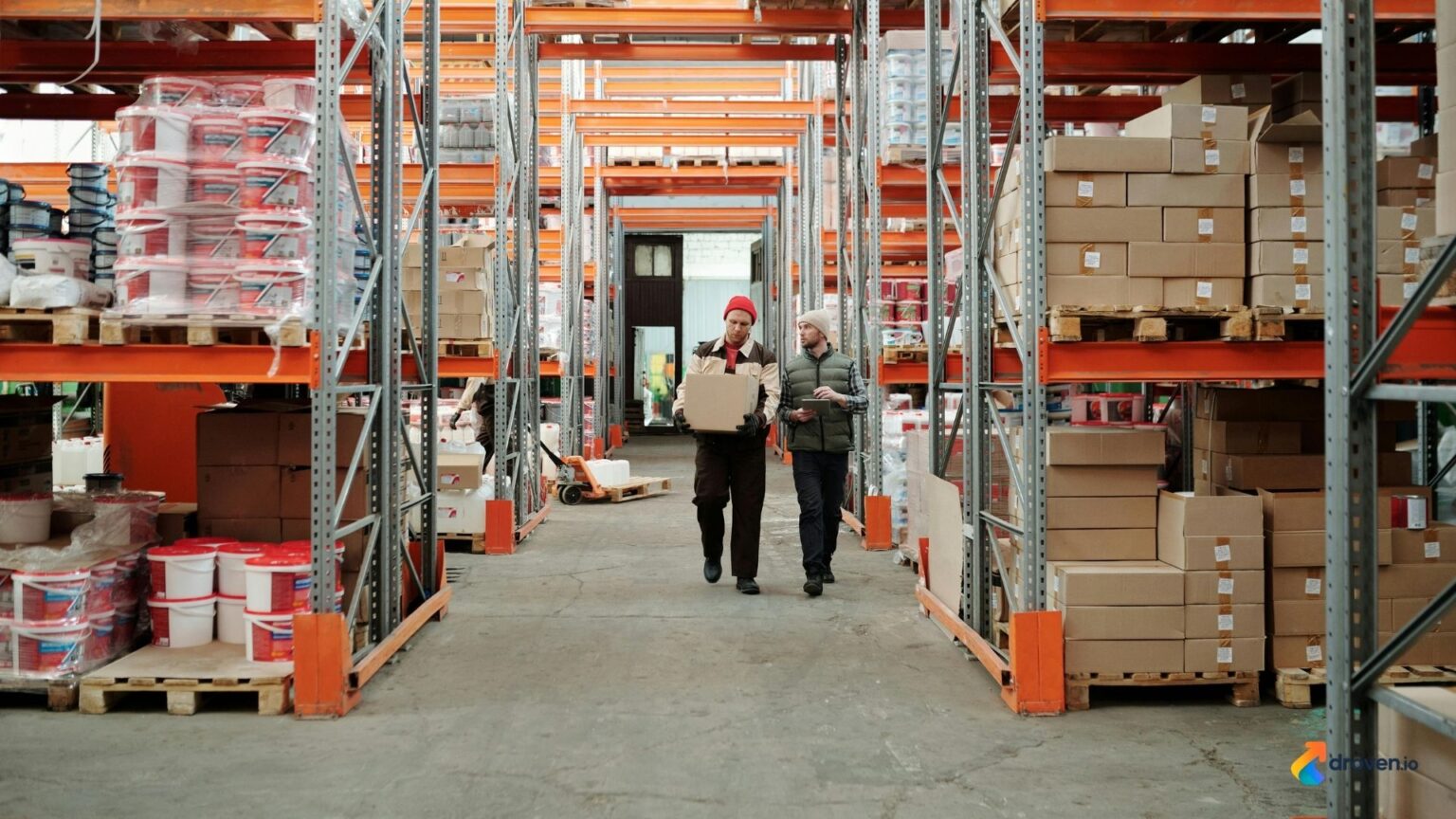
Retail Merchandising Services help retailers and consumer brands improve product visibility, maintain organized store shelves, and create engaging shopping experiences that encourage sales. Whether you’re managing a single retail location or hundreds of stores nationwide, professional merchandising services ensure products are displayed correctly, inventory remains stocked, and promotional campaigns are executed consistently. By combining strategic product placement with ongoing store maintenance, businesses can improve operational efficiency, strengthen brand recognition, and enhance the overall customer experience.
In today’s competitive retail environment, effective merchandising is about much more than arranging products on shelves. It involves understanding consumer behavior, optimizing store layouts, implementing planograms, and maintaining consistent brand standards across every location.
What Are Retail Merchandising Services?
Retail merchandising services involve planning, organizing, stocking, and maintaining products within retail stores to maximize sales and improve the customer shopping experience.
Professional merchandisers work closely with retailers and manufacturers to ensure products are properly displayed, promotional materials are installed correctly, and inventory remains available for customers.
Typical merchandising services include:
- Product stocking
- Shelf organization
- Planogram implementation
- Promotional display setup
- Price tag verification
- Inventory monitoring
- Store audits
- Product rotation
- Seasonal merchandising
- Point-of-sale display installation
These services help stores remain organized while improving product visibility and customer satisfaction.
Why Retail Merchandising Services Matter
Successful merchandising directly influences customer purchasing decisions.
Improved Product Visibility
Products displayed at eye level and in high-traffic areas are more likely to attract customer attention.
Professional merchandising helps ensure products are positioned strategically throughout the store.
Better Customer Experience
Organized shelves and clearly displayed products make shopping easier.
Customers appreciate:
- Easy product navigation
- Fully stocked shelves
- Accurate pricing
- Attractive displays
A positive shopping experience encourages repeat visits.
Increased Sales
Well-executed merchandising can increase product exposure and support promotional campaigns, helping retailers improve sales performance.
Strong Brand Consistency
Merchandising teams ensure products are displayed according to brand guidelines across multiple retail locations.
Consistent presentation strengthens brand recognition.
How Retail Merchandising Services Work
Professional merchandising follows a structured process designed to maintain consistency and improve store performance.
Store Assessment
Merchandisers inspect retail locations to evaluate:
- Shelf conditions
- Product placement
- Inventory availability
- Promotional displays
- Customer traffic patterns
This information helps identify opportunities for improvement.
Planogram Implementation
A planogram is a visual layout showing where products should be placed.
Proper implementation helps achieve:
- Consistent shelf organization
- Improved product visibility
- Better inventory management
- Efficient restocking
Product Stocking
Merchandisers replenish inventory to maintain product availability.
Tasks include:
- Restocking shelves
- Rotating inventory
- Removing damaged items
- Organizing displays
Keeping shelves stocked helps reduce missed sales opportunities.
Promotional Display Installation
Seasonal promotions and product launches often require temporary displays.
Common display types include:
- End caps
- Floor displays
- Checkout displays
- Promotional signage
These displays help attract customer attention and support marketing campaigns.
Reporting
Merchandisers often provide detailed reports after each store visit.
Reports may include:
- Product availability
- Display compliance
- Shelf photos
- Inventory observations
- Store recommendations
This information helps retailers monitor performance across multiple locations.
Types of Retail Merchandising Services
Different retailers require different merchandising solutions.
Shelf Merchandising
Shelf merchandising focuses on maintaining attractive and organized shelves.
Responsibilities include:
- Product facing
- Shelf cleaning
- Restocking
- Inventory rotation
Visual Merchandising
Visual merchandising enhances the appearance of retail spaces.
This includes:
- Window displays
- Product arrangement
- Store layout optimization
- Lighting coordination
- Signage placement
Attractive displays encourage customer engagement.
Promotional Merchandising
Promotional merchandising supports:
- New product launches
- Seasonal campaigns
- Holiday promotions
- Limited-time offers
Professional execution helps maximize campaign effectiveness.
Retail Store Resets
Store resets involve reorganizing product categories according to updated layouts or seasonal changes.
Projects often include:
- Shelf relocation
- Fixture adjustments
- Category reorganization
- New product placement
Benefits of Retail Merchandising Services
Businesses experience numerous advantages from professional merchandising.
Improved Inventory Control
Regular store visits help identify low inventory before products become unavailable.
Enhanced Store Appearance
Clean, organized displays improve the overall shopping environment.
Higher Customer Satisfaction
Customers can locate products more easily when shelves are properly organized.
Better Promotional Execution
Merchandisers ensure promotional materials are installed correctly and maintained throughout the campaign.
Increased Operational Efficiency
Store staff can focus on customer service while merchandising professionals manage displays and inventory organization.
Industries That Use Retail Merchandising Services
Many retail sectors rely on professional merchandising.
Grocery Stores
Services include:
- Shelf stocking
- Product rotation
- Promotional displays
- Inventory monitoring
Convenience Stores
Fast-moving inventory requires regular merchandising support.
Electronics Retailers
Merchandisers organize technology products and promotional displays.
Home Improvement Stores
Large product assortments benefit from strategic organization and clear signage.
Health and Beauty Stores
Cosmetics and wellness products require attractive displays and organized shelving.
Apparel Retailers
Fashion merchandising highlights seasonal collections and improves visual presentation.
Retail Merchandising Services vs. Inventory Management
| Feature | Retail Merchandising Services | Inventory Management |
|---|---|---|
| Product Display | ✔ | Limited |
| Shelf Organization | ✔ | No |
| Promotional Displays | ✔ | No |
| Inventory Tracking | Basic | ✔ |
| Customer Experience | High Priority | Indirect |
While inventory management focuses on stock levels, merchandising emphasizes product presentation and customer engagement.
Best Practices for Effective Merchandising
Successful merchandising strategies include:
Maintain Full Shelves
Well-stocked shelves improve customer confidence and reduce missed sales opportunities.
Follow Planograms
Consistent product placement supports brand recognition and simplifies shopping.
Monitor Promotional Displays
Displays should remain clean, organized, and fully stocked throughout promotional periods.
Rotate Products
Proper inventory rotation helps maintain product quality where applicable.
Analyze Performance
Regular reporting allows retailers to evaluate merchandising effectiveness and identify improvement opportunities.
Choosing a Retail Merchandising Service Provider
When selecting a merchandising partner, consider:
- Industry experience
- Geographic coverage
- Planogram expertise
- Technology and reporting capabilities
- Experienced merchandising teams
- Customer support
- Flexible scheduling
- Proven retail success
A reliable provider helps maintain consistent store execution and improve overall retail performance.
Technology in Modern Retail Merchandising
Today’s merchandising professionals use technology to improve efficiency.
Common tools include:
- Mobile reporting apps
- Digital planograms
- Barcode scanners
- Inventory software
- Real-time dashboards
- Photo verification
Technology enables retailers to monitor store conditions and merchandising compliance more effectively.
FAQs
What are retail merchandising services?
Retail merchandising services involve stocking, organizing, displaying, and maintaining products in retail stores to improve visibility and enhance the customer shopping experience.
Why are retail merchandising services important?
They help increase product visibility, improve store organization, maintain inventory availability, and support promotional campaigns that can contribute to stronger sales performance.
What is a retail planogram?
A planogram is a visual guide that specifies where products should be placed on store shelves to create consistency and maximize sales potential.
Which businesses use retail merchandising services?
Grocery stores, convenience stores, electronics retailers, apparel stores, home improvement retailers, pharmacies, and many other businesses rely on merchandising services.
How often should merchandising services be performed?
The frequency depends on the retailer’s needs. Some stores require daily or weekly visits, while others schedule merchandising around promotions, seasonal changes, or inventory cycles.
Conclusion
Retail Merchandising Services are essential for creating organized, attractive, and high-performing retail environments. By ensuring products are displayed correctly, shelves remain stocked, and promotional campaigns are executed consistently, merchandising professionals help retailers improve customer satisfaction and operational efficiency. Whether you’re a national brand or a local retailer, investing in professional merchandising services can support stronger store performance and a better shopping experience.
