
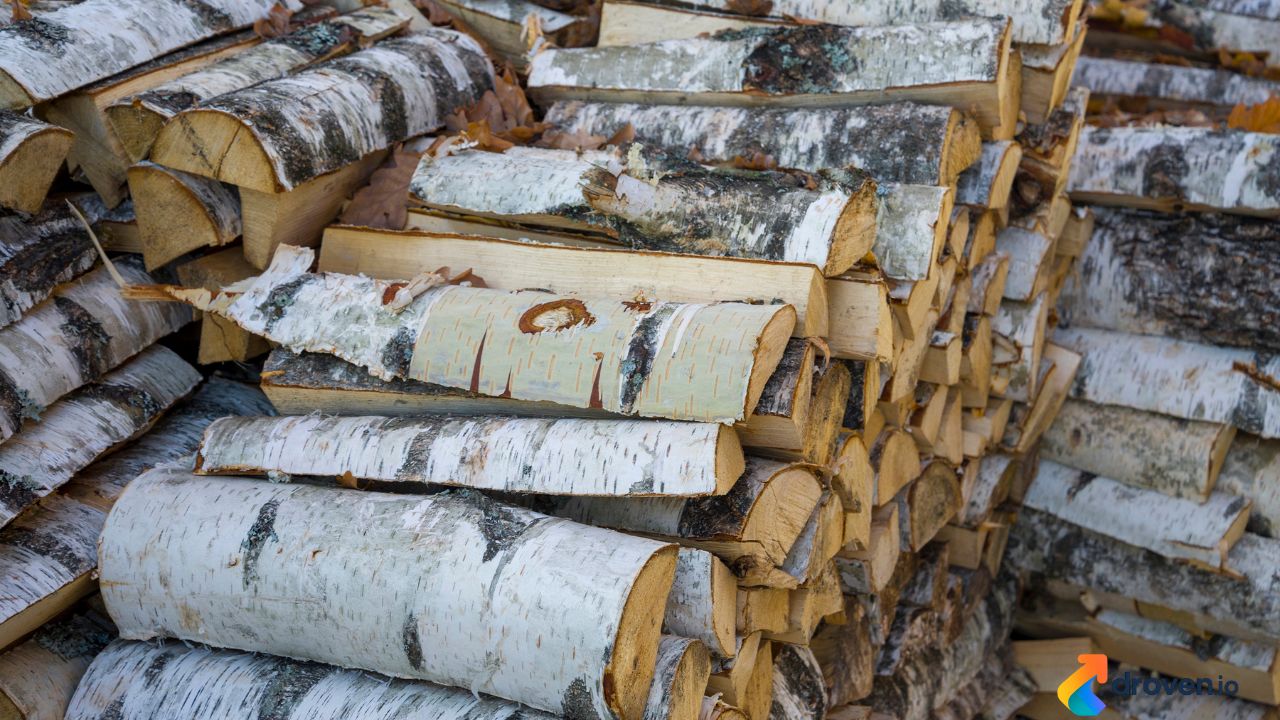
Kiln dried softwood logs are a popular firewood choice for homeowners looking for reliable, easy-to-light fuel for wood-burning stoves, fireplaces, fire pits, and outdoor heaters. Through the kiln drying process, excess moisture is removed from the wood, resulting in cleaner combustion, improved heat output, and easier ignition compared to freshly cut or unseasoned logs. Whether you’re heating your home during winter or enjoying an outdoor fire, kiln dried softwood logs offer an efficient and convenient fuel option.
Because moisture content plays a significant role in firewood performance, kiln drying helps produce logs that burn more consistently while creating less smoke and residue than wetter wood.
What Are Kiln Dried Softwood Logs?
Kiln dried softwood logs are firewood logs that have been dried in a temperature-controlled kiln to reduce their moisture content. This controlled drying process produces logs that are ready to burn shortly after purchase.
Common softwood species used for firewood include:
- Pine
- Spruce
- Fir
- Larch
- Douglas fir
The exact species available may vary depending on the supplier and region.
How Kiln Drying Works
Kiln drying removes moisture from freshly cut timber using heated air and controlled airflow.
The process generally includes:
Log Preparation
Logs are cut and split into manageable sizes suitable for fireplaces and wood-burning appliances.
Kiln Loading
The prepared logs are stacked inside a drying kiln with adequate airflow between each piece.
Controlled Drying
Heat and ventilation gradually reduce moisture levels while helping preserve the quality of the wood.
Moisture Testing
Before distribution, many suppliers test moisture content to verify that the logs have reached the desired dryness level.
Benefits of Kiln Dried Softwood Logs
Kiln drying provides several advantages over unseasoned firewood.
Easy to Light
Lower moisture content allows the logs to ignite more quickly than freshly cut wood.
Cleaner Burning
Dry logs generally produce less visible smoke and fewer combustion by-products than wetter logs.
Consistent Heat Output
Kiln dried logs typically burn more predictably because excess moisture has been removed.
Convenient Storage
Since the drying process is completed before purchase, the logs are ready for use without requiring additional seasoning.
Reduced Moisture Content
Many suppliers aim to provide kiln dried logs with moisture levels suitable for efficient burning. Actual moisture content may vary by producer and local standards.
Softwood vs Hardwood Firewood
Both softwood and hardwood logs have their advantages.
| Feature | Kiln Dried Softwood Logs | Kiln Dried Hardwood Logs |
|---|---|---|
| Ignition | Very easy to light | Easy to light |
| Flame | Fast, lively flame | Steady, long-lasting burn |
| Burn Rate | Generally burns faster | Generally burns longer |
| Heat Delivery | Quicker heat release | Sustained heat over time |
| Best Uses | Fire starters, short fires, outdoor fires | Long heating sessions, wood stoves |
Many homeowners use a combination of both softwood and hardwood logs depending on their heating needs.
Common Uses for Kiln Dried Softwood Logs
These logs are suitable for a variety of heating applications.
Wood-Burning Stoves
Properly dried softwood logs can be used in wood-burning stoves when they meet the appliance manufacturer’s fuel recommendations.
Open Fireplaces
Softwood logs produce attractive flames that many homeowners enjoy in traditional fireplaces.
Fire Pits
Outdoor fire pits often benefit from the quick ignition and lively flames produced by kiln dried softwood.
Pizza Ovens
Some wood-fired ovens use kiln dried softwood for starting fires before transitioning to other fuel types, depending on cooking preferences and manufacturer guidance.
Choosing Quality Kiln Dried Softwood Logs
When purchasing firewood, consider several important factors.
Moisture Content
Look for logs advertised as kiln dried with moisture levels appropriate for efficient burning. Local standards and appliance recommendations may differ.
Log Size
Choose logs that fit comfortably inside your stove, fireplace, or fire pit.
Cleanliness
Quality firewood should be free from excessive dirt, mold, or foreign materials.
Packaging
Logs are commonly available as:
- Bulk loads
- Netted bags
- Crates
- Pallets
Select a packaging option that matches your storage space and usage.
How to Store Kiln Dried Softwood Logs
Proper storage helps maintain the wood’s low moisture content.
Recommended storage practices include:
- Store logs in a dry, well-ventilated area.
- Keep firewood elevated above the ground.
- Protect logs from direct rain and snow.
- Allow air circulation around the stack.
- Avoid storing large quantities indoors unless recommended for your space.
Keeping logs dry helps preserve their burning performance.
Burning Tips
For the best results:
- Use dry kindling to start the fire.
- Maintain adequate airflow in the appliance.
- Avoid overloading the firebox.
- Follow the manufacturer’s instructions for your stove or fireplace.
- Have chimneys and flues inspected and cleaned as recommended.
Safe operation contributes to efficient heating and reduced maintenance.
Environmental Considerations
Responsible firewood use includes sourcing wood from sustainable suppliers where possible.
Some suppliers may offer:
- Responsibly managed timber
- Recyclable packaging
- Local sourcing
Using properly dried firewood can also support more efficient combustion compared to burning wet logs.
Kiln Dried Softwood Logs vs Seasoned Logs
| Feature | Kiln Dried Softwood Logs | Seasoned Logs |
|---|---|---|
| Drying Method | Kiln dried | Air dried |
| Moisture Control | Controlled process | Weather dependent |
| Ready to Burn | Yes | Depends on seasoning quality |
| Ignition | Easier | Varies |
| Consistency | More uniform | Can vary between batches |
Both options can be suitable depending on the supplier and moisture content.
FAQs
What are kiln dried softwood logs?
Kiln dried softwood logs are firewood logs dried in a controlled kiln to reduce moisture content, making them easier to light and ready for use.
Are kiln dried softwood logs suitable for wood-burning stoves?
They can be suitable for many wood-burning stoves when they meet the stove manufacturer’s recommended fuel specifications.
Why are kiln dried logs popular?
They are valued for their low moisture content, easier ignition, cleaner combustion, and consistent burning performance.
How should kiln dried softwood logs be stored?
Store them in a dry, well-ventilated location, protected from rain and elevated above the ground to help maintain their dryness.
What is the difference between kiln dried and seasoned logs?
Kiln dried logs are dried in a controlled environment, while seasoned logs are air dried over time. Moisture levels and consistency may vary depending on the drying process.
Conclusion
Kiln dried softwood logs provide a practical and efficient fuel option for a variety of heating applications. Their reduced moisture content, quick ignition, and consistent burning characteristics make them a convenient choice for wood-burning stoves, fireplaces, and outdoor fires. By selecting quality firewood, storing it correctly, and following safe burning practices, homeowners can enjoy dependable performance throughout the heating season.
