
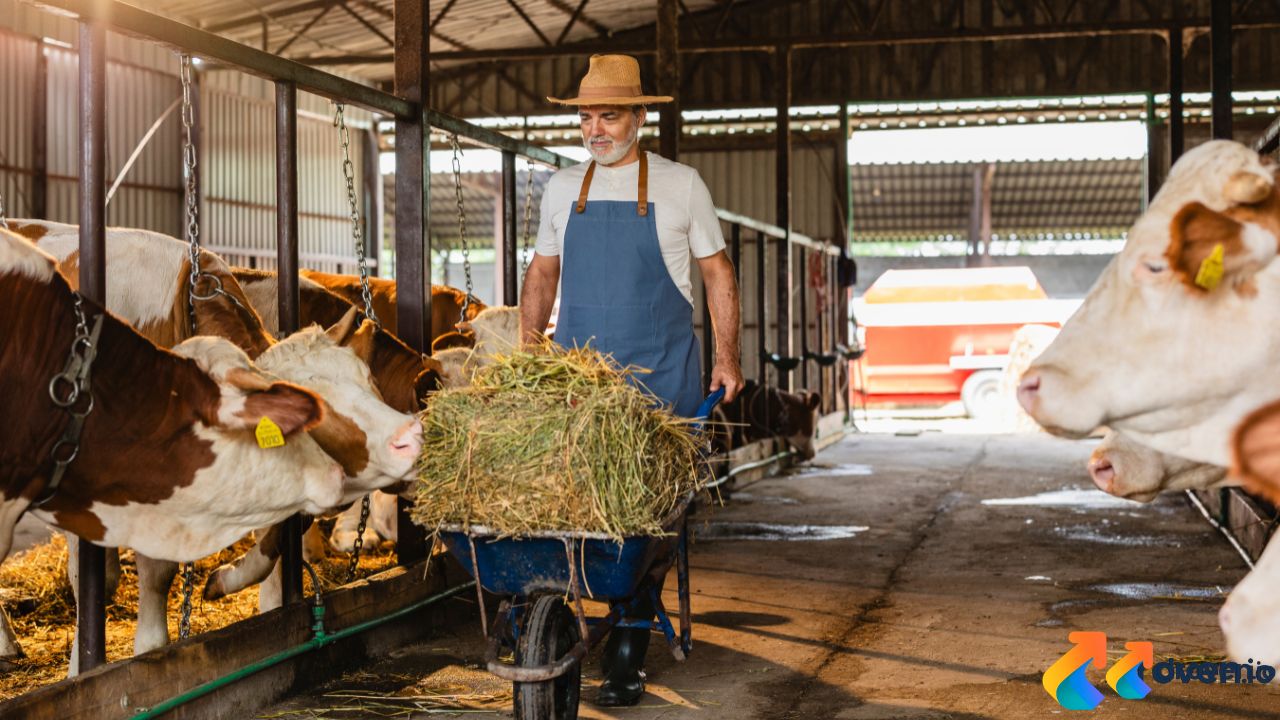
Feeding animals properly is one of the most important aspects of successful livestock farming. Proper nutrition directly affects animal health, growth, reproduction, and productivity. Whether you raise cattle, sheep, goats, pigs, or poultry, choosing the right livestock feed is essential for maintaining healthy animals and ensuring efficient farm operations.
Farmers today have access to a wide variety of feed options, ranging from natural forage and grains to specially formulated feed mixtures designed to meet the nutritional needs of specific animals. Understanding the different types of livestock feed and how they benefit animals can help farmers improve productivity while maintaining animal welfare.
This guide explores the importance of livestock feed, common feed types, and best practices for feeding farm animals effectively.
Why Livestock Feed Is Important
Livestock feed provides animals with the nutrients they need to survive, grow, and produce products such as milk, meat, eggs, or wool. A balanced diet ensures animals receive adequate levels of:
- Proteins for muscle growth and tissue repair
- Carbohydrates for energy
- Fats for metabolic functions
- Vitamins and minerals for immune health
- Fiber for proper digestion
Without proper nutrition, animals may experience slower growth, reduced productivity, and a higher risk of disease.
Main Types of Livestock Feed
Livestock feed generally falls into several categories depending on its composition and nutritional value.
1. Forage and Pasture
Forage is one of the most natural forms of livestock feed and includes grasses, legumes, and other plants that animals graze on directly in fields or pastures.
Common forage options include:
- Alfalfa
- Clover
- Ryegrass
- Bermuda grass
- Timothy grass
Forage is rich in fiber and helps maintain proper digestion, particularly in ruminant animals like cattle, goats, and sheep.
2. Grains and Concentrates
Grains are energy-rich feeds commonly used to supplement forage. They provide carbohydrates and other essential nutrients needed for growth and production.
Popular grain feeds include:
- Corn
- Barley
- Oats
- Wheat
- Sorghum
Grain-based livestock feed is often used in dairy farms, poultry production, and cattle fattening programs.
3. Protein Supplements
Protein plays a crucial role in muscle development and milk production. Protein-rich livestock feed ingredients include:
- Soybean meal
- Cottonseed meal
- Fish meal
- Sunflower meal
These supplements are commonly added to feed mixtures to improve overall nutritional balance.
4. Silage
Silage is fermented forage stored in airtight conditions to preserve nutrients. It is widely used in dairy and cattle farming.
Examples of silage include:
- Corn silage
- Grass silage
- Sorghum silage
Silage provides a reliable feed source during seasons when fresh pasture is not available.
5. Commercial Feed Pellets
Many farmers rely on commercially prepared livestock feed pellets. These feeds are formulated to provide balanced nutrition for specific animals.
Pellet feeds may be designed for:
- Dairy cattle
- Beef cattle
- Poultry
- Pigs
- Sheep and goats
Commercial feeds often contain a mix of grains, vitamins, minerals, and protein supplements.
Nutritional Requirements for Different Livestock
Different animals have different dietary needs.
Cattle
Cattle require a diet high in fiber along with moderate levels of protein and energy. Their feed typically includes pasture, hay, silage, and grain supplements.
Poultry
Poultry require protein-rich diets to support egg production and rapid growth. Their feed often includes grains, soybean meal, and vitamins.
Sheep and Goats
Sheep and goats thrive on forage but may require grain supplements during periods of rapid growth or pregnancy.
Pigs
Pig diets are generally grain-based and include protein supplements to support muscle growth.
Benefits of High-Quality Livestock Feed
Providing balanced livestock feed offers numerous benefits for farmers and animals alike.
Improved Animal Health
Proper nutrition strengthens the immune system and reduces disease risk.
Better Growth and Productivity
Animals grow faster and produce more milk, eggs, or meat when they receive adequate nutrients.
Higher Farm Profitability
Healthy animals with optimal nutrition lead to improved production and better economic returns.
Sustainable Farming
Balanced feeding practices reduce waste and improve resource efficiency on farms.
Best Practices for Feeding Livestock
To maximize the benefits of livestock feed, farmers should follow these practical feeding strategies.
Provide Balanced Nutrition
Ensure animals receive a combination of forage, grains, and supplements appropriate for their species and age.
Maintain Clean Feeding Areas
Dirty feeding areas can lead to contamination and disease. Always keep feed troughs clean.
Monitor Animal Health
Observe animals regularly to ensure they are eating properly and maintaining healthy weight.
Adjust Feed Based on Life Stage
Young animals, pregnant animals, and lactating animals require different nutritional levels.
Store Feed Properly
Proper storage prevents spoilage and protects feed from pests and moisture.
Future Trends in Livestock Feed
The livestock industry continues to evolve with innovations aimed at improving feed efficiency and sustainability.
Some emerging trends include:
- Alternative protein sources such as insect-based feed
- Precision feeding technology for optimized nutrition
- Sustainable feed ingredients that reduce environmental impact
- Digital monitoring systems to track animal health and feeding behavior
These innovations help farmers improve productivity while protecting natural resources.
Conclusion
Livestock feed plays a vital role in animal health, farm productivity, and sustainable agriculture. By understanding different feed types and nutritional requirements, farmers can provide balanced diets that support growth, reproduction, and overall animal well-being.
From natural forage and grains to specialized feed pellets, selecting the right livestock feed helps ensure healthier animals and more successful farming operations.
As agricultural technology continues to advance, modern feeding strategies will make livestock production more efficient and environmentally responsible.
FAQs
What is livestock feed?
Livestock feed refers to food provided to farm animals such as cattle, poultry, sheep, pigs, and goats to support their health and productivity.
What are the main types of livestock feed?
The main types include forage, grains, protein supplements, silage, and commercial feed pellets.
Why is balanced livestock feed important?
Balanced feed provides essential nutrients that promote healthy growth, strong immunity, and better productivity.
What is the best feed for cattle?
Cattle typically thrive on a combination of pasture, hay, silage, and grain supplements depending on their production stage.
How should livestock feed be stored?
Feed should be stored in dry, cool areas protected from pests, moisture, and contamination to maintain its nutritional quality.
