
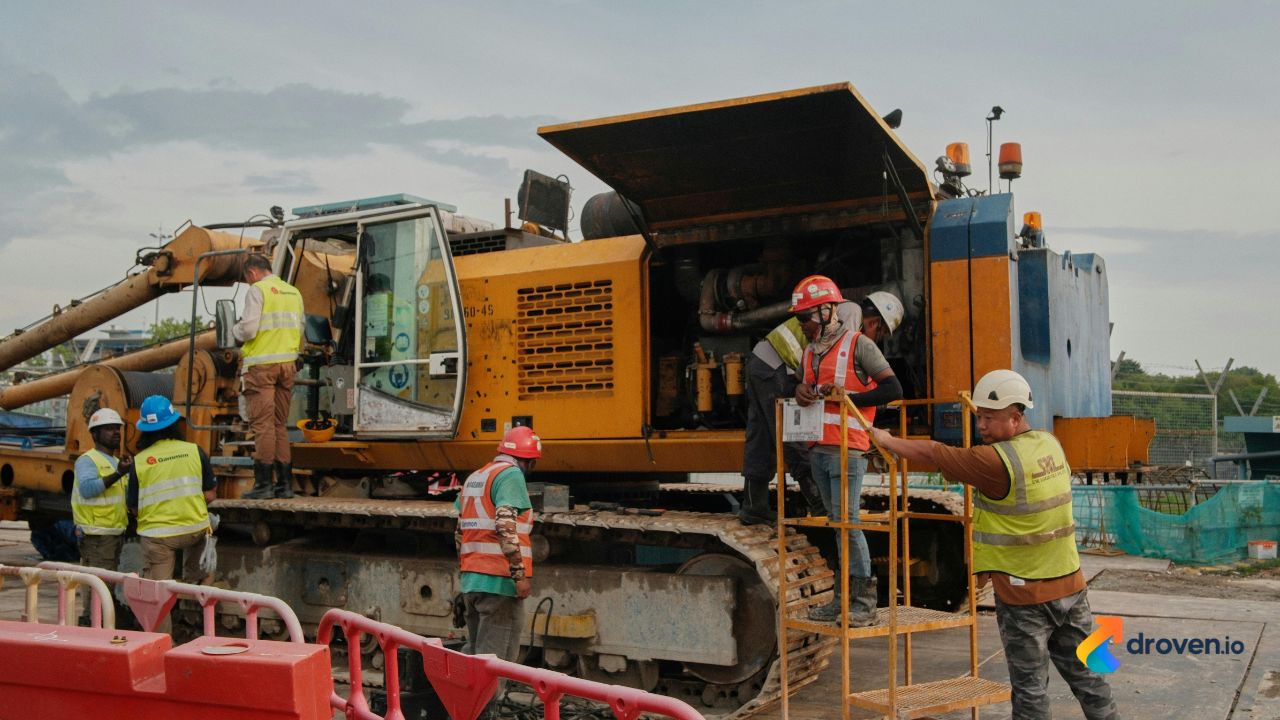
Managing heavy machinery across multiple jobsites can be challenging without the right technology in place. Construction equipment tracking solutions help contractors, construction companies, and fleet managers monitor valuable assets, improve operational efficiency, and make more informed business decisions. As construction projects become increasingly complex, equipment tracking systems have evolved beyond simple location monitoring to include maintenance scheduling, utilization analysis, theft prevention, and real-time reporting. By implementing an effective tracking solution, businesses can gain greater visibility into their equipment fleet while supporting productivity and reducing unnecessary operational costs.
What Are Construction Equipment Tracking Solutions?
Construction equipment tracking solutions are systems that help businesses monitor the location, status, usage, and performance of construction machinery and other valuable assets. These solutions typically combine GPS technology, telematics, cloud-based software, and mobile applications to provide real-time information about equipment operating across one or multiple jobsites.
Depending on the platform, tracking systems may support various types of equipment, including:
- Excavators
- Bulldozers
- Skid steers
- Wheel loaders
- Backhoes
- Cranes
- Forklifts
- Dump trucks
- Generators
- Air compressors
By centralizing equipment information, construction companies can better manage daily operations and improve overall asset utilization.
Why Equipment Tracking Is Important
Construction equipment represents a significant investment for contractors. Without accurate visibility into asset locations and operating conditions, businesses may face unnecessary downtime, scheduling delays, and increased operating expenses.
Equipment tracking solutions provide valuable operational insights that help companies:
- Locate equipment quickly
- Improve project planning
- Reduce equipment downtime
- Support preventive maintenance
- Increase equipment utilization
- Enhance fleet visibility
- Improve resource allocation
Access to accurate equipment data enables project managers to make timely decisions while improving coordination across multiple construction sites.
How Construction Equipment Tracking Solutions Work
Modern equipment tracking systems typically combine several technologies to collect and transmit information.
GPS Tracking
Global Positioning System (GPS) technology allows equipment owners to monitor the real-time location of machinery.
Location updates can help businesses identify where equipment is operating and support more efficient asset deployment.
Telematics
Telematics systems collect operational information directly from equipment.
Depending on the equipment and tracking solution, available data may include:
- Engine operating hours
- Fuel usage
- Idle time
- Machine utilization
- Diagnostic information
- Maintenance alerts
These insights help businesses better understand equipment performance over time.
Cloud-Based Software
Most modern tracking platforms store information securely in cloud-based systems that can be accessed through desktop computers, tablets, or mobile devices.
Cloud access enables managers to monitor equipment regardless of their physical location.
Mobile Applications
Many providers offer mobile applications that allow supervisors, technicians, and fleet managers to access equipment information while working in the field.
Key Features of Construction Equipment Tracking Solutions
Different platforms offer varying capabilities, but many include several core features.
Real-Time Location Tracking
Real-time GPS monitoring allows companies to identify equipment locations instantly across multiple jobsites.
Utilization Monitoring
Equipment utilization reports help businesses understand how frequently machines are being used.
This information can improve scheduling decisions and reduce unnecessary equipment rentals or purchases.
Maintenance Scheduling
Routine maintenance plays an essential role in extending equipment lifespan.
Tracking software often generates maintenance reminders based on engine hours, mileage, or scheduled service intervals.
Theft Prevention
Construction equipment theft can result in significant financial losses and project delays.
Location tracking may assist businesses in responding more quickly if equipment is moved without authorization.
Geofencing
Geofencing allows companies to establish virtual boundaries around jobsites or storage facilities.
Alerts can be generated when equipment enters or leaves designated areas, depending on system configuration.
Reporting and Analytics
Detailed reporting tools help managers analyze fleet performance using operational data collected over time.
Reports may include:
- Equipment utilization
- Operating hours
- Maintenance history
- Fuel consumption
- Downtime analysis
These reports support informed operational planning.
Benefits of Construction Equipment Tracking Solutions
Improved Asset Visibility
Knowing where equipment is located helps reduce time spent searching for machinery across multiple project sites.
Better Equipment Utilization
Monitoring equipment usage allows managers to identify underused assets and allocate resources more effectively.
Reduced Downtime
Preventive maintenance scheduling helps reduce unexpected breakdowns and improves equipment availability.
Enhanced Project Planning
Accurate equipment data supports more effective scheduling and coordination throughout construction projects.
Increased Operational Efficiency
Real-time visibility into fleet operations allows businesses to streamline equipment deployment and improve workflow management.
Industries That Benefit from Equipment Tracking
Construction equipment tracking solutions support a wide range of industries.
Commercial Construction
General contractors use tracking systems to manage equipment across multiple building projects.
Residential Construction
Home builders monitor machinery to improve scheduling and equipment availability.
Civil Engineering
Infrastructure projects often involve large fleets operating across extensive geographic areas.
Road Construction
Equipment tracking helps coordinate paving equipment, excavators, graders, and support vehicles.
Utility Contractors
Utility companies manage specialized machinery used for pipeline, electrical, and telecommunications projects.
Choosing the Right Construction Equipment Tracking Solution
Selecting the best system requires evaluating several important factors.
Fleet Size
Choose software capable of supporting your current fleet while allowing room for future expansion.
Equipment Compatibility
Verify that the tracking system supports your existing machinery and equipment types.
Ease of Use
User-friendly dashboards simplify equipment monitoring and reduce employee training requirements.
Reporting Capabilities
Comprehensive reporting features help managers analyze operational performance more effectively.
Customer Support
Reliable technical support assists businesses with installation, software updates, and ongoing system maintenance.
Common Challenges Without Equipment Tracking
Construction companies that rely solely on manual equipment management may encounter several operational challenges.
These may include:
- Difficulty locating equipment
- Increased idle time
- Missed maintenance schedules
- Inefficient equipment allocation
- Higher operating costs
- Limited visibility across multiple jobsites
Implementing tracking technology helps address many of these challenges through centralized fleet management.
Equipment Maintenance and Lifecycle Management
Regular maintenance contributes to equipment reliability and long-term performance.
Tracking systems help businesses schedule maintenance activities based on actual equipment usage rather than estimates.
This proactive approach can support:
- Improved equipment availability
- Better maintenance planning
- Reduced unexpected repairs
- Longer equipment service life
- More efficient parts management
Well-maintained equipment also contributes to safer jobsite operations.
The Role of Data in Construction Management
Construction companies increasingly rely on operational data to improve decision-making.
Equipment tracking platforms provide valuable information that supports:
- Fleet optimization
- Cost management
- Resource planning
- Project scheduling
- Maintenance forecasting
- Operational reporting
Access to accurate data enables managers to evaluate trends and continuously improve business performance.
Future Trends in Construction Equipment Tracking
Technology continues to shape the future of construction equipment management.
Emerging developments include:
Artificial Intelligence
AI-assisted analytics may help identify maintenance patterns and improve equipment planning.
Internet of Things (IoT)
Connected sensors continue expanding the amount of equipment data available to construction businesses.
Predictive Maintenance
Advanced analytics may identify potential maintenance needs before equipment failures occur.
Automation Integration
Construction companies increasingly integrate equipment tracking with project management and enterprise software platforms.
Enhanced Mobile Access
Improved mobile applications allow supervisors to monitor equipment from virtually any location.
These innovations continue to improve efficiency while supporting smarter fleet management strategies.
Best Practices for Successful Implementation
Organizations implementing construction equipment tracking solutions should consider several best practices.
- Define clear operational objectives.
- Train employees on system usage.
- Monitor equipment data regularly.
- Schedule preventive maintenance consistently.
- Review utilization reports frequently.
- Update equipment records as fleet changes occur.
- Evaluate software performance periodically.
Following these practices helps maximize the value of equipment tracking technology.
Conclusion
Construction equipment tracking solutions have become an essential tool for contractors seeking greater visibility, efficiency, and control over valuable machinery. By combining GPS technology, telematics, cloud-based software, and detailed reporting, these systems help businesses monitor equipment locations, optimize utilization, support preventive maintenance, and improve overall project management. As construction technology continues to evolve, adopting a reliable equipment tracking solution can strengthen operational performance, reduce downtime, and support long-term business growth across projects of every size.
FAQs
What are construction equipment tracking solutions?
Construction equipment tracking solutions are technology platforms that help businesses monitor equipment location, utilization, maintenance, and operational performance using GPS, telematics, and cloud-based software.
How do equipment tracking systems improve construction operations?
They provide real-time visibility into equipment locations, support preventive maintenance, improve resource allocation, reduce downtime, and assist with fleet management.
Can tracking solutions help reduce equipment theft?
Many systems include GPS location tracking and geofencing features that may help businesses respond more quickly if equipment is moved without authorization.
What types of equipment can be tracked?
Many solutions support excavators, bulldozers, loaders, backhoes, cranes, forklifts, generators, dump trucks, compressors, and other construction assets.
What should I consider when choosing a tracking solution?
Consider fleet size, equipment compatibility, software usability, reporting features, mobile access, customer support, and integration with existing business systems before selecting a solution.
