
Managing diabetes requires consistent care, informed decisions, and access to reliable health information. For many individuals, Diabetics Trust represents the confidence people place in accurate medical guidance, healthy lifestyle choices, and dependable healthcare resources. Whether someone has Type 1 diabetes, Type 2 diabetes, or prediabetes, building trust in healthcare providers, treatment plans, and evidence-based information plays a significant role in achieving better blood sugar control and improving overall quality of life.
Understanding Diabetes
Diabetes is a chronic health condition that affects how the body processes glucose, which serves as the primary source of energy for cells. When the body cannot produce enough insulin or cannot use insulin effectively, blood sugar levels rise, increasing the risk of serious health complications over time.
The most common forms of diabetes include:
- Type 1 diabetes
- Type 2 diabetes
- Gestational diabetes
- Prediabetes
Each condition requires a personalized approach to treatment, monitoring, and lifestyle management.
Why Trust Is Essential in Diabetes Care
Living with diabetes often involves making daily decisions about food, exercise, medication, and blood sugar monitoring. Reliable information helps people make informed choices that support their health rather than relying on myths or misleading advice.
When diabetics trust qualified healthcare professionals and evidence-based recommendations, they are more likely to:
- Follow treatment plans consistently.
- Monitor blood glucose levels regularly.
- Maintain healthier eating habits.
- Stay physically active.
- Attend routine medical checkups.
- Reduce the risk of diabetes-related complications.
Trust also strengthens communication between patients and healthcare providers, making it easier to discuss concerns, symptoms, and treatment adjustments.
Common Challenges Faced by People with Diabetes
Managing diabetes is an ongoing process that can present both physical and emotional challenges.
Some of the most common difficulties include balancing meals with medication, maintaining stable blood sugar levels, remembering regular glucose monitoring, managing stress, and preventing long-term complications such as heart disease, kidney disease, nerve damage, and vision problems.
Access to trustworthy education and professional support can make these challenges more manageable and help individuals feel more confident in their daily care routines.
Healthy Nutrition for Diabetes Management
Nutrition is one of the most important aspects of diabetes management. A balanced diet helps regulate blood sugar levels while providing essential nutrients for overall health.
People managing diabetes often benefit from:
- Whole grains
- Fresh vegetables
- Lean protein sources
- Healthy fats
- Fruits in appropriate portions
- High-fiber foods
- Plenty of water
Limiting foods high in added sugars, refined carbohydrates, and unhealthy fats can also contribute to better blood glucose control.
Working with a registered dietitian or healthcare professional can help create a meal plan that fits individual health goals and nutritional needs.
The Importance of Regular Physical Activity
Exercise helps improve insulin sensitivity, supports healthy weight management, and contributes to better cardiovascular health.
Activities such as walking, cycling, swimming, strength training, and yoga can be valuable additions to a diabetes management plan. Even moderate physical activity performed consistently can have a positive impact on blood sugar regulation.
Before beginning a new exercise program, individuals should consult a healthcare provider, especially if they have other medical conditions or diabetes-related complications.
Monitoring Blood Sugar Levels
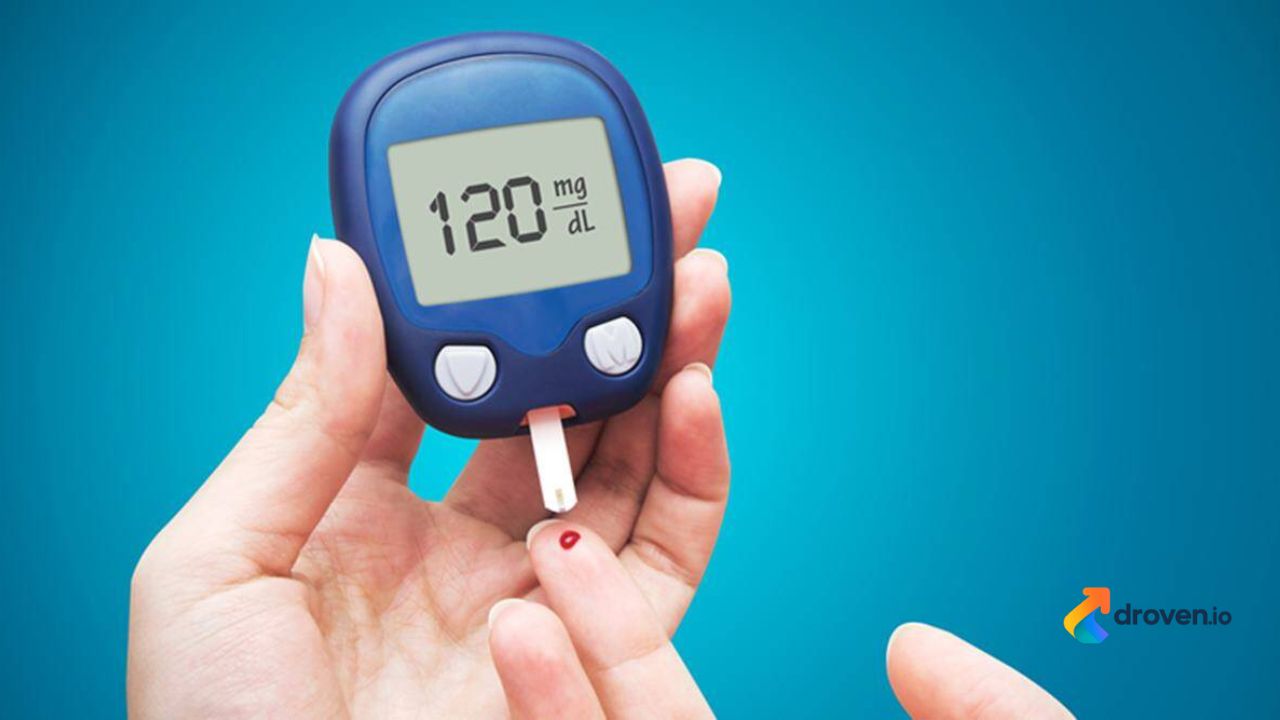
Regular blood glucose monitoring provides valuable information about how food, physical activity, medication, and stress affect blood sugar.
Depending on individual treatment plans, monitoring may involve:
- Blood glucose meters
- Continuous glucose monitoring (CGM) systems
- Routine laboratory testing, including HbA1c
Tracking these measurements helps healthcare providers make informed decisions about medication adjustments and overall treatment strategies.
Medication and Treatment Options
Diabetes treatment varies depending on the type and severity of the condition.
Treatment may include:
- Insulin therapy
- Oral diabetes medications
- Injectable medications
- Lifestyle modifications
- Regular health screenings
Following prescribed treatment plans consistently is essential for reducing the risk of complications and maintaining long-term health.
Preventing Diabetes Complications
Uncontrolled diabetes can affect multiple organs throughout the body. Maintaining healthy blood sugar levels significantly reduces the risk of complications.
Important preventive measures include:
- Regular eye examinations
- Routine foot care
- Blood pressure management
- Cholesterol monitoring
- Kidney function testing
- Maintaining a healthy weight
- Avoiding tobacco products
- Limiting alcohol consumption
Early detection and preventive care remain key components of successful diabetes management.
Mental and Emotional Well-Being
Managing a chronic condition can affect emotional health. Some individuals experience stress, anxiety, or feelings of frustration related to daily diabetes management.
Support from healthcare professionals, family members, diabetes educators, and support groups can improve emotional well-being and encourage healthy coping strategies.
Building confidence through education and trusted guidance often makes diabetes management feel more achievable over time.
Technology Supporting Diabetes Care
Modern technology has transformed diabetes management by making monitoring and treatment more convenient.
Useful technologies include:
- Continuous glucose monitors
- Smart insulin pens
- Insulin pumps
- Mobile health applications
- Digital nutrition trackers
- Telehealth consultations
These innovations help individuals monitor their health more effectively while improving communication with healthcare providers.
Building Long-Term Confidence Through Reliable Information
The internet offers an enormous amount of health information, but not all of it is accurate or supported by scientific evidence. People managing diabetes should prioritize guidance from qualified medical professionals, recognized health organizations, and peer-reviewed resources.
Reliable education empowers individuals to better understand their condition, recognize warning signs, and make informed decisions about daily care. Developing confidence in trustworthy sources also helps reduce confusion and supports more consistent diabetes management over the long term.
Living Well With Diabetes
A diabetes diagnosis does not prevent someone from living a healthy and fulfilling life. With appropriate medical care, balanced nutrition, regular physical activity, ongoing monitoring, and informed decision-making, many people successfully manage their condition while maintaining active lifestyles.
Small, sustainable lifestyle improvements often have a meaningful impact on long-term health outcomes. Staying engaged with healthcare providers and following personalized treatment plans can help individuals reduce risks and improve overall well-being.
FAQs
What does Diabetics Trust mean?
Diabetics Trust refers to the importance of relying on credible healthcare professionals, evidence-based medical advice, and dependable diabetes management resources to support better health outcomes.
Why is trust important in diabetes management?
Trust encourages individuals to follow treatment plans, communicate openly with healthcare providers, and make informed decisions that improve blood sugar control and reduce complications.
What foods are recommended for people with diabetes?
A balanced diet including vegetables, whole grains, lean proteins, healthy fats, and high-fiber foods can support healthy blood sugar management. Dietary recommendations should be personalized by a healthcare professional.
How often should blood sugar be monitored?
Monitoring frequency depends on the type of diabetes, medications, and individual treatment goals. A healthcare provider can recommend the most appropriate schedule.
Can exercise help control diabetes?
Yes. Regular physical activity improves insulin sensitivity, supports weight management, and contributes to better blood glucose control when combined with a healthy lifestyle.
Where can people find reliable diabetes information?
Reliable information is available from licensed healthcare professionals, certified diabetes educators, government health agencies, recognized diabetes organizations, and peer-reviewed medical resources.
Conclusion
Building trust is an important part of effective diabetes management. Whether it involves following guidance from healthcare professionals, using reliable educational resources, or adopting healthy daily habits, informed decisions can contribute to better blood sugar control and improved overall health. While diabetes requires ongoing attention, consistent monitoring, balanced nutrition, regular physical activity, and appropriate medical care can help reduce complications and support a higher quality of life. By relying on accurate information and maintaining open communication with healthcare providers, individuals can manage diabetes with greater confidence and work toward long-term health and well-being.
