
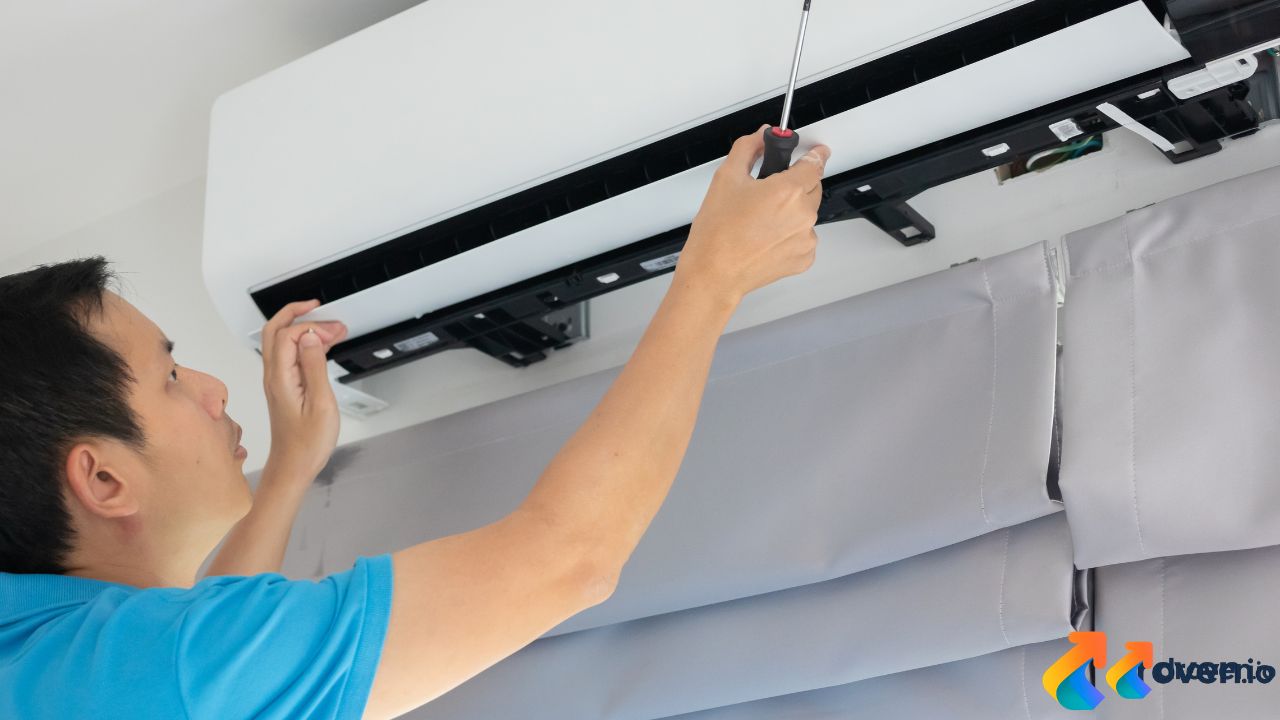
Air conditioning has become an essential part of modern living, especially in regions with hot climates. While standard air conditioning systems work for many buildings, some properties require more specialized solutions. This is where custom AC installation systems come into play.
Custom air conditioning installations are designed to meet the specific cooling requirements of a building. Factors such as building size, layout, insulation, and climate conditions all influence the type of system needed.
By designing a tailored cooling system, homeowners and businesses can achieve better comfort, improved energy efficiency, and long-term reliability.
What Are Custom AC Installation Systems?
Custom AC installation systems are air conditioning solutions designed specifically for a particular building rather than using a one-size-fits-all approach.
Professional HVAC technicians evaluate several factors before recommending a system, including:
- Building size and floor plan
- Local climate conditions
- Insulation levels
- Window placement and sunlight exposure
- Airflow requirements
Based on these factors, the technician designs an HVAC system that provides optimal cooling performance.
Why Custom AC Installation Is Important
Installing the wrong size or type of air conditioning system can lead to several problems, including poor cooling performance and higher energy bills.
Custom AC installations help prevent these issues by ensuring that the system matches the property’s needs.
Key benefits include:
- Improved cooling efficiency
- Reduced energy consumption
- Better indoor comfort
- Longer system lifespan
A properly designed system distributes air evenly throughout the building, eliminating hot or cold spots.
Types of Custom AC Systems
Different properties require different cooling solutions. HVAC professionals may recommend various types of custom air conditioning systems depending on the building’s structure and usage.
Central Air Conditioning Systems
Central AC systems use ductwork to distribute cooled air throughout the building.
They are commonly used in:
- Large homes
- Office buildings
- Commercial properties
Custom installation ensures ducts are properly sized and placed for maximum efficiency.
Ductless Mini-Split Systems
Ductless mini-split systems are ideal for homes without existing ductwork.
These systems consist of:
- An outdoor compressor unit
- Indoor air handlers mounted on walls or ceilings
Mini-split systems are energy-efficient and allow individual room temperature control.
Zoned Cooling Systems
Zoned systems divide a building into separate cooling areas, allowing different temperatures in different rooms.
Benefits include:
- Personalized comfort
- Reduced energy use
- Better temperature control
Zoning is especially useful for multi-story homes or large buildings.
Commercial HVAC Systems
Commercial buildings often require more advanced custom AC installation systems due to larger spaces and higher occupancy levels.
These systems may include:
- Rooftop units
- Variable refrigerant flow (VRF) systems
- Industrial-grade HVAC equipment
Commercial installations are designed to handle higher cooling demands while maintaining energy efficiency.
Steps in Custom AC Installation
Professional installation involves several stages to ensure the system operates effectively.
Property Assessment
HVAC technicians begin by evaluating the building’s layout, insulation, and cooling needs.
System Design
After assessing the property, technicians design a system that matches the building’s specific requirements.
Equipment Selection
Choosing the right equipment is crucial. Factors such as system size, efficiency rating, and cooling capacity are considered.
Installation and Testing
Once installed, the system is tested to ensure proper airflow, temperature control, and energy efficiency.
Energy Efficiency Benefits
Energy efficiency is a major advantage of custom AC installation systems.
Proper system sizing prevents energy waste. When an AC unit is too large or too small, it must work harder to maintain the desired temperature.
Modern systems often include energy-saving features such as:
- Smart thermostats
- Variable-speed compressors
- High-efficiency air filters
These technologies reduce electricity consumption and lower utility costs.
Maintenance for Long-Term Performance
Even the best air conditioning system requires regular maintenance to function properly.
Recommended maintenance practices include:
- Changing air filters regularly
- Cleaning condenser coils
- Inspecting ductwork for leaks
- Scheduling annual professional inspections
Routine maintenance ensures the system operates efficiently and prevents unexpected breakdowns.
Choosing the Right HVAC Contractor
Selecting a qualified contractor is essential for successful installation.
When searching for professionals to install custom AC installation systems, consider the following factors:
- Proper licensing and certification
- Experience with custom HVAC projects
- Positive customer reviews
- Transparent pricing and warranties
Experienced contractors ensure installations meet safety standards and local building codes.
The Future of Air Conditioning Systems
Air conditioning technology continues to evolve as manufacturers focus on sustainability and energy efficiency.
Some emerging innovations include:
- Smart climate control systems
- Eco-friendly refrigerants
- Solar-powered HVAC units
- AI-driven energy management systems
These advancements are making cooling systems more efficient and environmentally friendly.
Conclusion
Cooling systems play a critical role in maintaining comfortable indoor environments. While standard air conditioning units may work for some properties, many buildings benefit from tailored solutions.
Custom AC installation systems provide optimized cooling performance by considering a building’s specific layout, climate conditions, and energy requirements.
With professional design, proper installation, and routine maintenance, custom AC systems can deliver reliable comfort, improved energy efficiency, and long-lasting performance for both residential and commercial properties.
FAQs
What is a custom AC installation system?
It is an air conditioning system designed specifically for a building’s size, layout, and cooling requirements.
Why is system sizing important in AC installation?
Proper sizing ensures the system cools efficiently without wasting energy or causing uneven temperatures.
Are ductless mini-split systems part of custom installations?
Yes, mini-split systems are often used in custom installations for homes without ductwork.
How long does an AC installation usually take?
Installation time varies depending on the system type but typically ranges from one day to several days.
How can I improve the efficiency of my AC system?
Regular maintenance, proper insulation, and smart thermostats can help improve energy efficiency.
