
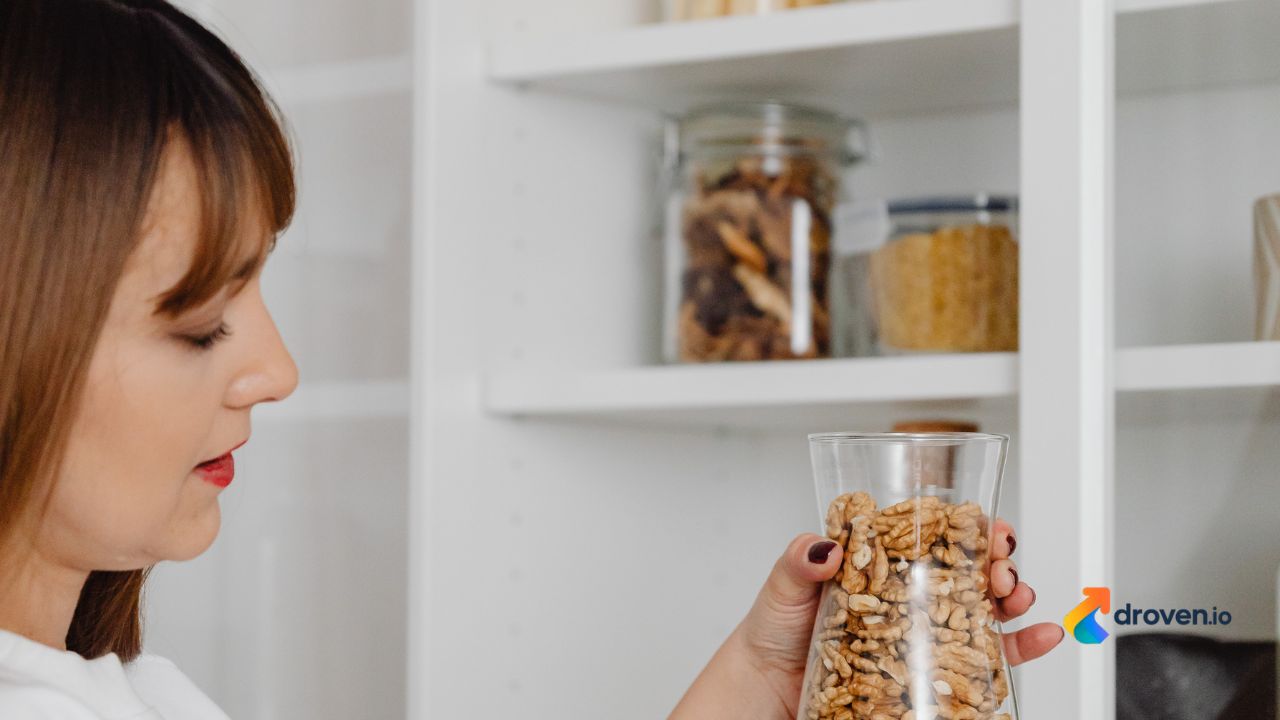
A well-organized Pantry is an essential part of an efficient kitchen. It provides a dedicated space for storing food, cooking ingredients, beverages, and household essentials while making meal preparation easier and reducing unnecessary food waste. Whether you have a spacious walk-in pantry or a compact cabinet, proper organization and thoughtful storage solutions can maximize available space, improve accessibility, and help maintain a clean and functional kitchen.
What Is a Pantry?
A pantry is a designated storage area used to keep non-perishable food items, cooking ingredients, kitchen supplies, and sometimes small appliances. Pantries can vary in size, from large walk-in rooms to built-in cabinets and freestanding storage units.
The primary purpose of a pantry is to organize kitchen essentials in a way that makes them easy to locate, access, and manage.
Benefits of a Well-Organized Pantry
Improved Kitchen Efficiency
An organized pantry allows you to quickly locate ingredients, reducing the time spent searching for items while preparing meals.
Reduced Food Waste
Proper organization helps ensure older food products are used before newer purchases, minimizing expired items and unnecessary waste.
Better Inventory Management
Keeping similar items together makes it easier to monitor food supplies and create accurate shopping lists.
Maximized Storage Space
Using shelves, containers, baskets, and organizers efficiently allows you to store more items without creating clutter.
Cleaner Kitchen Environment
A well-maintained pantry contributes to a cleaner and more organized kitchen by keeping food properly stored and easily accessible.
Types of Pantries
Walk-In Pantry
Walk-in pantries provide dedicated storage rooms with shelving for groceries, small appliances, and kitchen supplies. They offer excellent storage capacity for larger households.
Cabinet Pantry
Many kitchens include tall cabinets that function as compact pantries. Adjustable shelving allows homeowners to organize food efficiently in smaller spaces.
Butler’s Pantry
A butler’s pantry serves as an additional preparation and storage area between the kitchen and dining room. These spaces often include countertops, cabinets, and extra storage.
Freestanding Pantry
Freestanding pantry cabinets are versatile storage solutions that can be added to kitchens with limited built-in storage.
Essential Pantry Items
Stocking a pantry with versatile ingredients helps simplify meal planning and everyday cooking.
Common pantry staples include:
- Rice
- Pasta
- Flour
- Sugar
- Oats
- Cooking oils
- Vinegar
- Salt
- Pepper
- Herbs and spices
- Canned vegetables
- Canned beans
- Soups
- Pasta sauces
- Peanut butter
- Tea and coffee
- Baking ingredients
- Dry cereals
The ideal selection depends on dietary preferences, cooking habits, and household needs.
Pantry Organization Tips
Group Similar Items
Store related products together, such as baking supplies, canned goods, snacks, breakfast items, and spices. This makes it easier to find ingredients when needed.
Use Clear Storage Containers
Transparent containers help keep dry foods fresh while allowing you to see inventory levels at a glance.
Popular container options include:
- Glass jars
- Airtight plastic containers
- Stackable storage bins
Label Everything
Clearly labeling containers and shelves helps maintain organization and ensures household members can easily locate and return items.
Store Frequently Used Items at Eye Level
Place commonly used products where they are easy to reach while storing less frequently used items on higher or lower shelves.
Rotate Inventory
Practice the “first in, first out” method by placing newer purchases behind older products to reduce food waste.
Pantry Storage Solutions
Effective storage accessories help maximize available space.
Useful storage products include:
- Adjustable shelving
- Pull-out drawers
- Lazy Susans
- Wire baskets
- Door-mounted organizers
- Shelf risers
- Spice racks
- Stackable bins
These solutions improve accessibility while reducing clutter.
Pantry Design Ideas
A functional pantry should balance storage capacity with ease of use.
Popular design features include:
- Adjustable shelves
- Built-in lighting
- Open shelving
- Decorative storage baskets
- Pull-out pantry systems
- Deep storage drawers
- Sliding shelves
- Dedicated appliance storage
Choosing a layout that matches your kitchen and lifestyle helps improve long-term organization.
Keeping Food Fresh
Proper food storage extends shelf life and maintains product quality.
Helpful practices include:
- Use airtight containers for dry goods.
- Store food in cool, dry conditions.
- Keep products away from direct sunlight.
- Check expiration dates regularly.
- Seal opened packages properly.
These habits help preserve freshness while reducing waste.
Pantry Maintenance
Routine maintenance keeps the pantry clean and organized.
Maintenance tasks include:
- Wipe shelves regularly.
- Remove expired products.
- Clean storage containers.
- Check for signs of pests.
- Update inventory lists.
- Reorganize shelves as needed.
Regular maintenance prevents clutter from accumulating over time.
Common Pantry Organization Mistakes
Avoiding common mistakes can improve pantry efficiency.
Examples include:
- Overbuying food
- Ignoring expiration dates
- Mixing unrelated items
- Using oversized containers unnecessarily
- Failing to label storage containers
- Neglecting regular cleaning
Simple organizational habits make the pantry easier to manage.
Pantry Safety Tips
Food safety should remain a priority when organizing pantry storage.
Recommendations include:
- Store cleaning products separately from food.
- Keep heavy items on lower shelves.
- Monitor food expiration dates.
- Use pest-proof containers when appropriate.
- Ensure adequate ventilation if needed.
Safe storage practices help protect both food quality and household safety.
The Future of Pantry Organization
Smart home technology is influencing kitchen storage solutions.
Emerging trends include:
- Smart inventory tracking
- Digital grocery management apps
- Automated lighting
- Modular shelving systems
- Sustainable storage containers
- Space-saving cabinet designs
These innovations help homeowners manage pantry organization more efficiently.
FAQs
What is a pantry?
A pantry is a storage area used for organizing food, cooking ingredients, beverages, and kitchen supplies.
How should I organize my pantry?
Group similar items together, use clear storage containers, label shelves, rotate food inventory, and keep frequently used products easily accessible.
What foods should every pantry include?
Common pantry staples include rice, pasta, canned goods, flour, sugar, spices, cooking oils, beans, cereals, and baking ingredients.
How often should a pantry be cleaned?
A pantry should be checked regularly, with a thorough cleaning performed periodically to remove expired food, wipe shelves, and reorganize storage.
How can I maximize a small pantry?
Use stackable containers, adjustable shelves, door organizers, baskets, and labeled storage bins to make the most of limited space.
Why is pantry organization important?
A well-organized pantry improves kitchen efficiency, reduces food waste, simplifies meal preparation, and helps maintain accurate grocery inventory.
Conclusion
A well-organized pantry is an important part of an efficient and functional kitchen. By thoughtfully arranging food items, using practical storage solutions, and maintaining a regular cleaning routine, homeowners can make better use of available space while reducing clutter and minimizing food waste. Whether you have a large walk-in pantry or a compact storage cabinet, careful organization makes it easier to prepare meals, manage grocery supplies, and keep essential ingredients within easy reach. With the right combination of planning, storage accessories, and consistent maintenance, a pantry can become one of the most valuable and organized areas of the home.
