
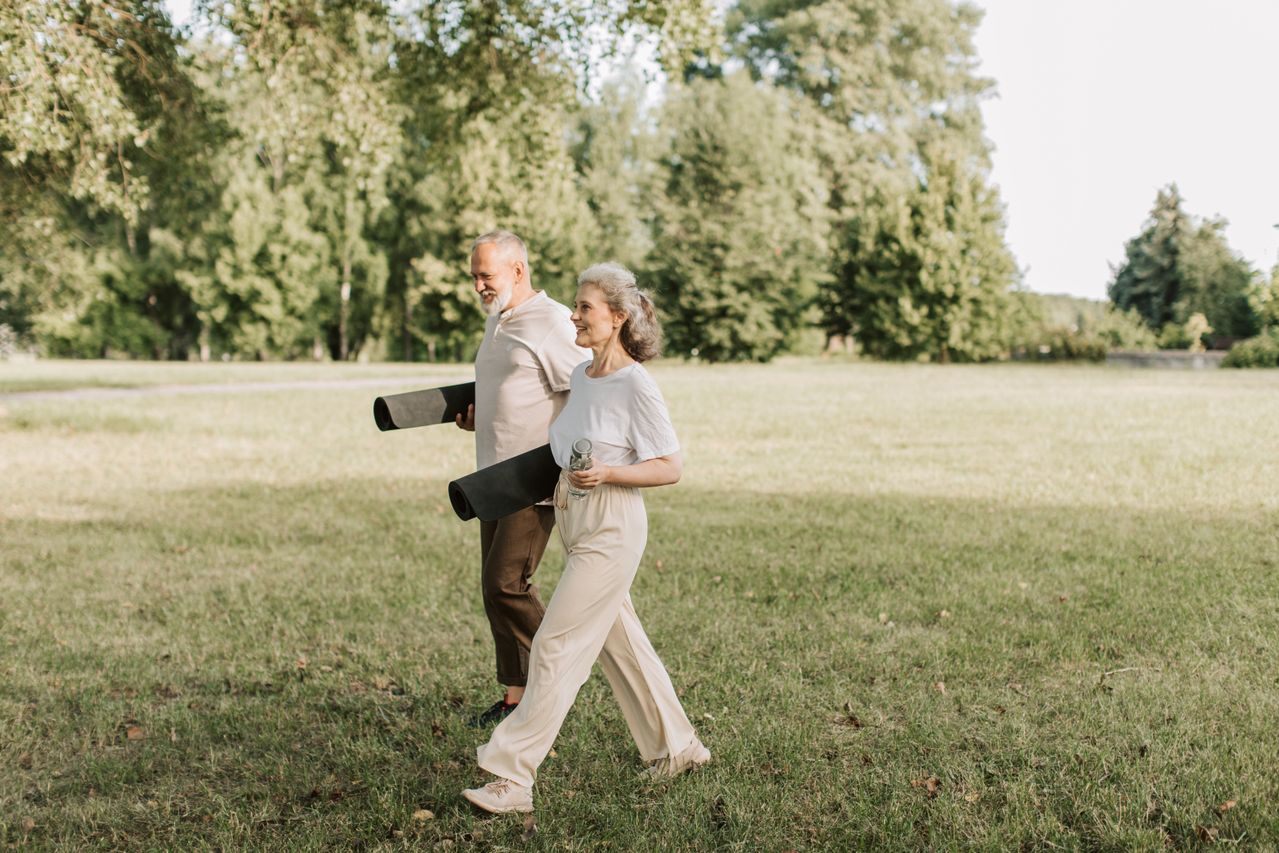
A 2023 AARP survey found 76 percent of adults over 50 want to age in place — while staying active. Not a minor preference. That number points to something deeper: a genuine rethinking of what getting older actually means. Frailty as a foregone conclusion? Fewer people are buying it. Something shifted. Older adults are pursuing vitality and independence with a deliberate ferocity that would’ve looked bizarre to their parents’ generation — and gerontology research is largely keeping pace. So is a broader cultural push toward getting ahead of health problems rather than scrambling to contain them. What seniors are actually doing is worth a hard look.
1. Strength and Resistance Training
This one caught a lot of people off guard. Barbells, resistance bands, bodyweight circuits — territory once claimed almost exclusively by younger gym crowds. Not anymore. Research from the Journal of Applied Physiology shows regular resistance exercise can actually reverse age-related muscle loss, not merely slow it down. Reversal. Most people don’t expect to hear that word. A 72-year-old grinding through seated leg lifts and wall pushups isn’t unusual now — fall prevention is the explicit goal, and the exercises are built around it. Why does any of this matter? Muscle mass is what lets you climb stairs, haul groceries, get up from a chair without grabbing something. Gone enough of it and independence follows right behind. Fitness centers caught on. Senior-specific strength classes — built around careful form, slow progression — are consistently full, often with waitlists.
2. Nutrition-Focused Dietary Patterns
Seniors are getting deliberate about food. Really deliberate. The Mediterranean diet — olive oil, fish, vegetables, whole grains — draws a large and growing following among older adults, with studies tying it to sharper cognition and lower dementia risk. Legumes, nuts, seasonal produce: these are crowding out processed staples in plant-based and flexitarian households alike. But it goes beyond chasing whatever template is trending. Personalized consultations with registered dietitians are increasingly common, helping older adults zero in on specific concerns — bone density, blood sugar, cardiovascular function. Recent health behavior surveys put about 43 percent of seniors paying closer attention to what they eat than they did five years ago. Food as medicine isn’t fringe thinking here. It’s becoming the default assumption.
3. Digital Health Monitoring and Telehealth Services
Seniors picked up technology faster than most people predicted. Smartwatches and fitness trackers now monitor heart rate, sleep quality, daily movement — handing older adults real data that can surface problems before they turn into crises. Telehealth knocked down barriers that were quietly keeping people away from care for years. Mobility limitations, rural geography, no reliable transportation — these used to push seniors out of consistent medical contact. Now a smartphone handles a medication check-in, a chronic condition update, a direct message to a provider. The global senior telehealth market grew 38 percent between 2022 and 2023. That’s not a blip. And convenience is only part of the appeal — seniors also value having health records visible to every provider involved in their care, simultaneously, in one place.
4. Cognitive Engagement and Lifelong Learning
Mental sharpness doesn’t maintain itself. Seniors know this — and they’re acting on it. University extension programs, community colleges, online courses: enrollment among older adults is climbing across all of them. Brain training apps and puzzles target memory and processing speed directly. But some of the most effective engagement is social. Book clubs, history discussion circles, current events groups — these stack intellectual challenge on top of genuine human connection. Studies show seniors who engage regularly in mentally stimulating activity experience slower cognitive decline than those who don’t. The logic isn’t complicated. The brain needs active use at every stage of life, not just early on.
5. Community Building and Social Connection
Isolation is a health risk. Measurable, documented, serious. Seniors are increasingly aware of that — and they’re pushing back against it on purpose. Group fitness classes, outdoor walking clubs, recreational sports leagues: these layer physical activity directly on top of real social contact. Volunteer work remains a steady outlet, with roughly 25 percent of adults over 65 volunteering regularly. Research from Brigham Young University found that strong social ties can increase longevity as much as exercise or diet does. Worth sitting with that.
For seniors moving into structured community environments, assisted living in Zanesville, OH offers programming built around daily social engagement, fitness, and genuine mutual support among residents. Cohousing arrangements and communities designed around shared spaces push in the same direction — daily interaction, a sense of belonging, real human contact. More older adults are choosing living situations where community isn’t incidental. It’s central to the entire wellness strategy.
Conclusion
Today’s seniors are rewriting what aging looks like. Strength training, smarter nutrition, digital health tools, continuous learning, deliberate social connection — these five trends make one thing clear: older adults aren’t passive about what’s coming. They’re building real strategies around it. And as more people move into their 60s and beyond, what’s emerging now will almost certainly become the new baseline. The science, the technology, and the cultural mindset have converged at the same moment. Healthy aging has never had more going for it.
