
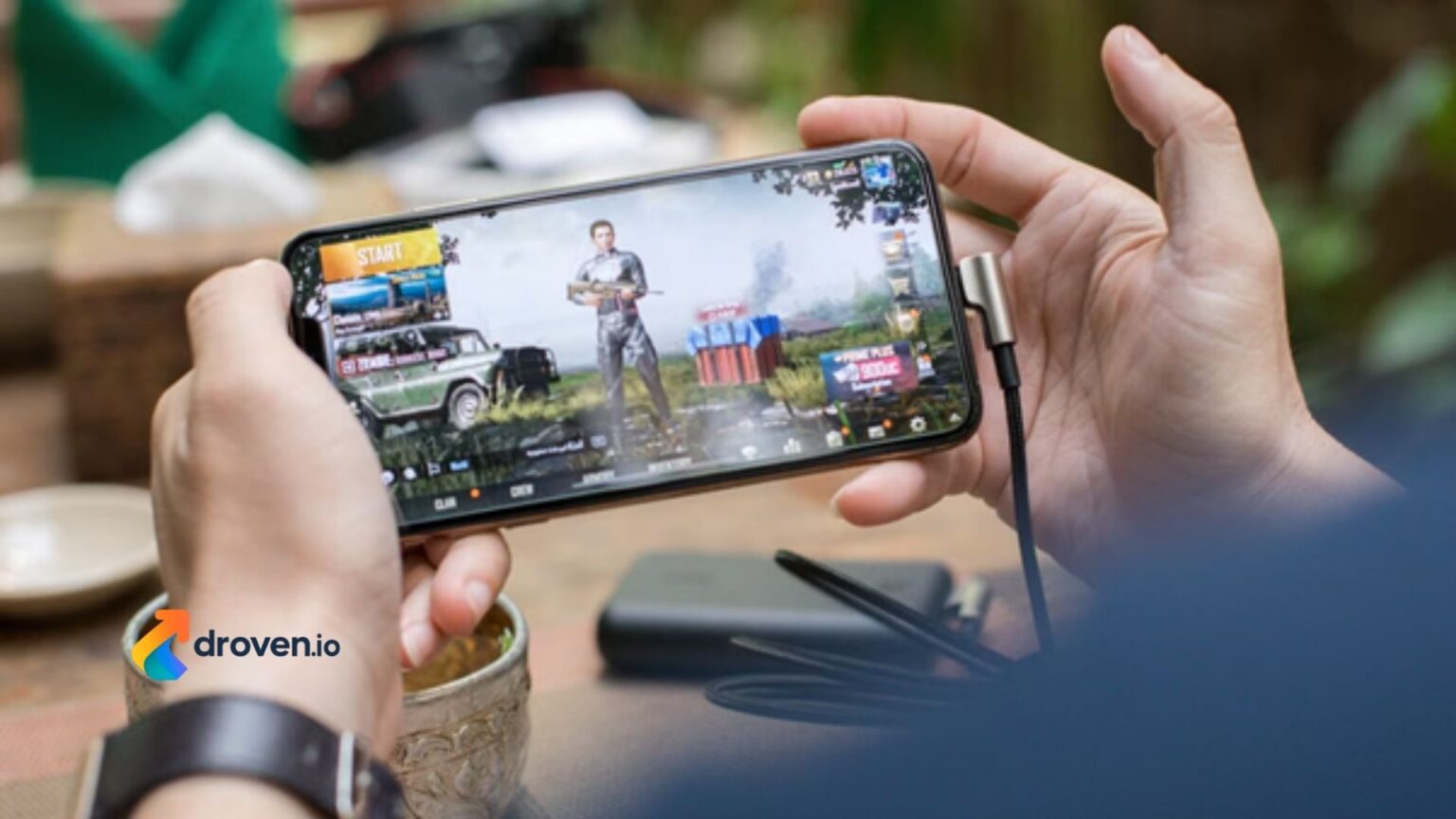
A player opens a mobile game and sees a new map, themed rewards, a short quest, and a timer showing seven days left. Yet the work behind it can start months earlier. Teams that provide mobile game services may coordinate artists, designers, testers, analysts, backend specialists, and release managers to make that seven-day window work as planned.
A short event puts pressure on timing. Every screen, reward, rule, and server setting has to arrive together. For studios such as N-iX Games, live content depends on close links between creative and technical roles. The player-facing week is the final layer of a longer production path.
Seven Days on Screen Can Mean Months of Work
Planning starts with a clear event goal. The team may want players to return for several days, try a less-used mode, or move through a themed story. That goal shapes the structure. A login challenge needs a different flow from a leaderboard race, while a collection event may require new items and progress screens.
Some limited-time events repeat with fresh art and reward tables, while others add new play rules for a short period. Reusable event parts can reduce production work, but each version still requires content checks, balance work, and release setup.
Designers map the player path early and define how someone enters, what action moves progress forward, where rewards appear, and what happens when the timer ends. Edge cases matter too. A player might finish a match one second after closing time or lose connection while claiming a prize. Those moments must have clear rules before code and content move too far.
This plan gives every role the same target. Many mobile game companies run several updates at once, so a seven-day event competes for art time, testing time, and release slots. A clear scope helps production leads spot dependencies before they become late blocks.
Art and Design Turn a Theme Into Play
Once the event shape is clear, artists build the visual layer: a home-screen banner, event icon, reward cards, pop-up windows, character poses, map objects, effects, and store art. Even a small event can touch many screens because players need to discover it, enter it, track progress, and understand prizes.
Visual work also has to fit the base game. New art should remain readable across supported screens. Text space matters because a short English label may become much longer after translation. Therefore, interface artists and localization teams need room for language changes before final testing.
Game designers connect the theme to player actions. A winter event may ask players to collect snowflakes after matches. Designers decide drop rates, which activities count, how progress appears, and how many sessions a typical player may need. The theme gives the event a face, while the rules give players a reason to interact.
Providers offering mobile game development services may join at different points, from art and interface work to engineering and live content support. The handoff between roles matters because one change can spread fast. A larger reward icon may need a new layout, which may affect text limits and trigger another test pass.
QA Work Keep the Event Under Control
Quality assurance covers the full event path. Testers check the first entry, progress, rewards, timing, reconnects, and closing behavior. Because the content has a time limit, timing rules receive special attention. Device clocks, server time, regional settings, and delayed sessions can expose unusual problems.
A focused event test pass usually covers four linked points:
- Entry and discovery: The event appears for the correct players, the timer is accurate, and entry buttons open the right screen.
- Progress and rewards: Tasks count the correct actions, progress saves after reconnecting, and each prize follows its claim rules.
- End-of-event behavior: Active sessions close correctly, late claims follow the planned policy, and expired offers disappear.
- Device and language checks: Layouts stay readable across supported screens, and translated text does not cover buttons or key numbers.
Analytics, Backend, and Release Decide Whether It Runs
Before launch, analysts define the event data they need. Core questions include how many eligible players entered, how far they progressed, where they stopped, how many returned the next day, and which rewards they claimed. Tracking that follows the designed player path makes user behavior analysis more useful after the event goes live.
Analysts also check that event actions send correct data. A missing start signal can make participation look lower than it really was, while a duplicate reward signal can distort claim numbers. Thus, data testing belongs inside production rather than at the end.
Backend configuration controls much of the live schedule. Teams may set start and end times, player groups, task values, reward tables, offer limits, and content versions through internal tools. This setup can let one game build serve different event rules when remote content control is already part of the game.
However, every editable field creates a chance for a setup error. Production teams use review steps, test environments, and launch checklists to confirm final values. A mobile game company may also prepare an emergency configuration so a broken task, reward, or offer can be changed without waiting for a full app store update.
Release work ties the pieces together. Teams confirm build versions, server settings, store assets, translations, and monitoring plans. The size of the mobile gaming market gives live teams a reason to treat short events as measured product work, with clear data and repeatable release processes.
The first hours after launch stay inside the event process. Teams watch participation, errors, reward claims, and purchases. When a number moves outside the expected range, they trace the player step behind it. N-iX Games is one example of a game production provider working across disciplines that can support coordinated content delivery.
Conclusion
A limited-time event brings art, game design, economy work, QA, analytics, backend setup, and release control into one player-facing package. The timer may show seven days, but production starts much earlier and continues through launch monitoring and post-event review. The main lesson is that short content still needs full production discipline. Clear goals shape the design, shared rules connect teams, testing protects the player path, and data shows what happened after release. When these parts stay connected, a small event can arrive on schedule, run under controlled rules, and leave useful information for the next one.
