
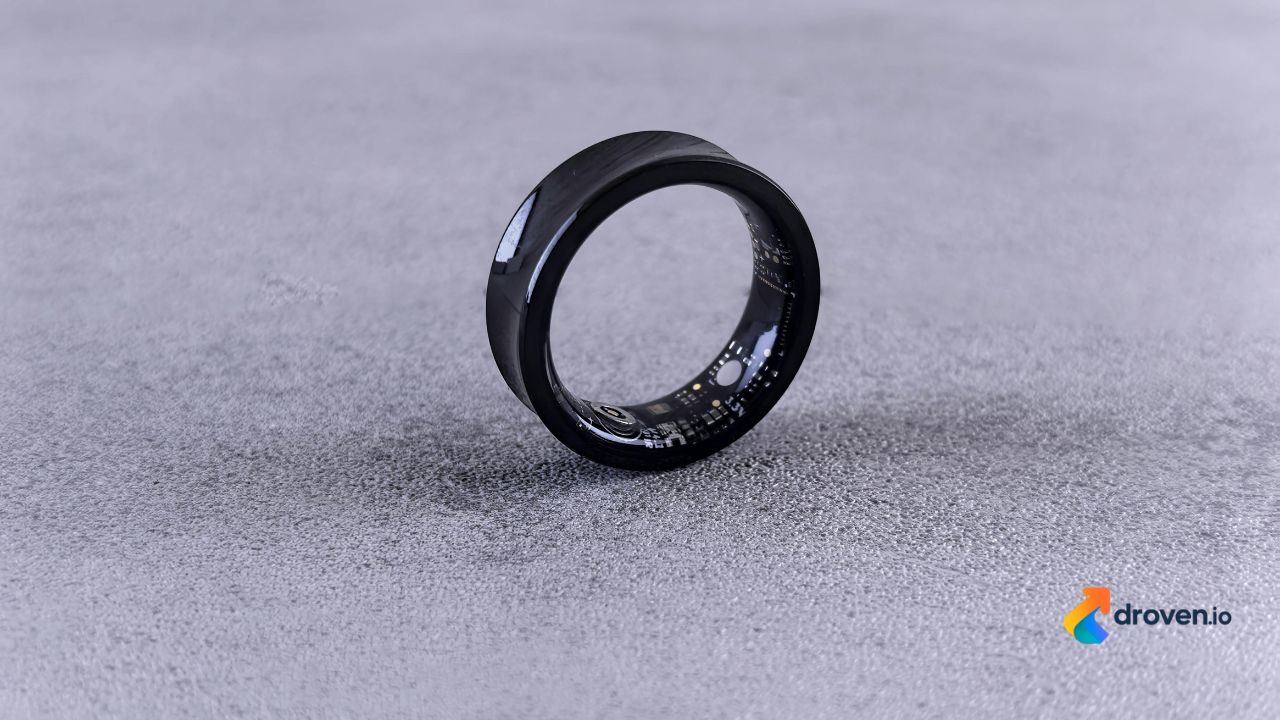
Wearable technology has expanded far beyond smartwatches and fitness bands. Today, the best smart ring combines advanced sensors with a compact, comfortable design that can monitor health metrics, activity, and sleep while remaining discreet enough for everyday wear. Smart rings are increasingly popular among people who want wellness insights without wearing a larger device on their wrist.
Whether you’re interested in sleep tracking, recovery monitoring, daily activity, or simply exploring wearable technology, choosing the right smart ring requires understanding its features, compatibility, and intended purpose. This guide explains how smart rings work, what features to compare, and how to select the best option for your needs.
What Is a Smart Ring?
A smart ring is a wearable electronic device designed to fit on your finger while collecting health and activity data through built-in sensors. Most models connect to a smartphone application where users can review measurements, trends, and personalized insights.
Depending on the model, a smart ring may support:
- Sleep tracking
- Heart rate monitoring
- Activity tracking
- Skin temperature trends
- Recovery insights
- Step counting
- Workout detection
Features differ by manufacturer and device.
Why More People Are Choosing the Best Smart Ring
Many users prefer smart rings because they offer wellness tracking in a smaller form factor than traditional wearable devices.
Potential advantages include:
- Lightweight design
- Comfortable daily wear
- Discreet appearance
- Continuous health monitoring
- Long battery life on many models
- Minimal distractions compared with larger wearables
The ideal device depends on your priorities and intended use.
Features to Look for in the Best Smart Ring
Sleep Tracking
Sleep monitoring is one of the most common features available in modern smart rings.
Many devices provide information about:
- Sleep duration
- Sleep stages
- Bedtime consistency
- Recovery trends
These measurements are estimates intended to support personal wellness rather than diagnose medical conditions.
Heart Rate Monitoring
Many smart rings measure heart rate throughout the day and during sleep.
Monitoring trends over time may help users better understand changes in their daily activity and recovery.
Smart rings are not a substitute for professional medical evaluation.
Activity Tracking
Activity tracking may include:
- Daily step counts
- Active minutes
- Calorie estimates
- Movement reminders
The available metrics depend on the device.
Recovery Insights
Some smart rings combine multiple measurements to estimate recovery or readiness after exercise or daily activity.
These scores are intended for informational purposes and should be interpreted alongside personal experience and professional advice where appropriate.
Battery Life
Battery life varies between manufacturers.
When comparing devices, consider:
- Average battery duration
- Charging time
- Charging accessories
- Typical daily usage
Longer battery life may reduce charging interruptions.
Design and Comfort
Because best smart rings are worn throughout the day and night, comfort is an important consideration.
Look for:
- Lightweight materials
- Multiple size options
- Durable construction
- Water resistance where applicable
- Comfortable inner design
Proper sizing contributes to both comfort and sensor performance.
Smartphone Compatibility
Before purchasing a smart ring, verify compatibility with your smartphone.
Consider:
- Operating system support
- Mobile application availability
- Software updates
- Synchronization features
Compatibility may vary depending on the manufacturer.
Who Can Benefit from the Best Smart Ring?
Smart rings may be suitable for:
Fitness Enthusiasts
Users can monitor activity and recovery while wearing a compact device.
Professionals
Many professionals prefer smart rings because they provide wellness tracking without the appearance of a larger smartwatch.
Frequent Travelers
The lightweight design makes smart rings convenient for everyday travel.
Wellness-Focused Users
Individuals interested in sleep habits, activity levels, and daily health trends may appreciate the continuous monitoring offered by smart rings.
How to Choose the Best Smart Ring
When comparing different models, evaluate:
Health Features
Review which health measurements are included and determine whether they align with your goals.
Build Quality
Materials such as titanium or stainless steel may improve durability depending on the design.
Subscription Requirements
Some manufacturers include advanced insights through optional or required subscription services.
Review ongoing costs before purchasing.
Privacy
Health information is personal.
Review the manufacturer’s privacy policy to understand how your data is collected, stored, and managed.
Best Practices for Using a Smart Ring
To improve your experience:
- Choose the correct ring size.
- Wear the ring consistently.
- Keep sensors clean.
- Charge the device regularly.
- Keep the companion app updated.
- Review long-term trends instead of focusing on individual readings.
Consistency generally provides more meaningful wellness insights.
Limitations of Smart Rings
Although smart rings offer valuable wellness information, they also have limitations.
Users should understand that:
- Measurements are estimates.
- Devices are not medical diagnostic tools unless specifically cleared or approved for particular medical uses.
- Sensor accuracy may vary depending on fit, movement, and environmental conditions.
- Features differ significantly between brands.
Important health concerns should always be discussed with a qualified healthcare professional.
Future of Smart Rings
Wearable technology continues to evolve.
Future developments may include:
- Improved sensor accuracy
- Longer battery life
- Expanded wellness insights
- Better integration with healthcare systems
- Enhanced AI-powered health analysis
- More personalized recommendations
Innovation is expected to continue as wearable technology advances.
Frequently Asked Questions
1. What is the best smart ring?
The best smart ring depends on your priorities, such as sleep tracking, activity monitoring, battery life, comfort, smartphone compatibility, and budget.
2. Can a smart ring replace a smartwatch?
For some users, a smart ring may provide sufficient wellness tracking in a smaller form factor. Others may prefer a smartwatch for additional features such as notifications or built-in GPS.
3. Are smart rings accurate?
Smart rings can provide useful estimates for wellness metrics, but accuracy varies by device, fit, and usage. They should not replace professional medical evaluation.
4. How long does a smart ring battery last?
Battery life differs by model, with many devices offering several days of use between charges under typical conditions.
5. Are smart rings waterproof?
Water resistance varies by manufacturer. Review the product specifications before exposing the device to water.
6. What should I consider before buying a smart ring?
Compare health tracking features, battery life, comfort, build quality, smartphone compatibility, subscription costs, privacy practices, and overall value.
Conclusion
Choosing the best smart ring involves balancing comfort, health tracking features, battery life, software compatibility, and long-term value. These compact wearables offer a convenient way to monitor sleep, activity, and other wellness metrics while fitting naturally into everyday life. Although smart rings can provide helpful insights into personal health trends, they are designed to support general wellness rather than diagnose or treat medical conditions. By comparing features carefully and selecting a device that matches your lifestyle and goals, you can make a more informed decision and get the most from wearable technology.
