
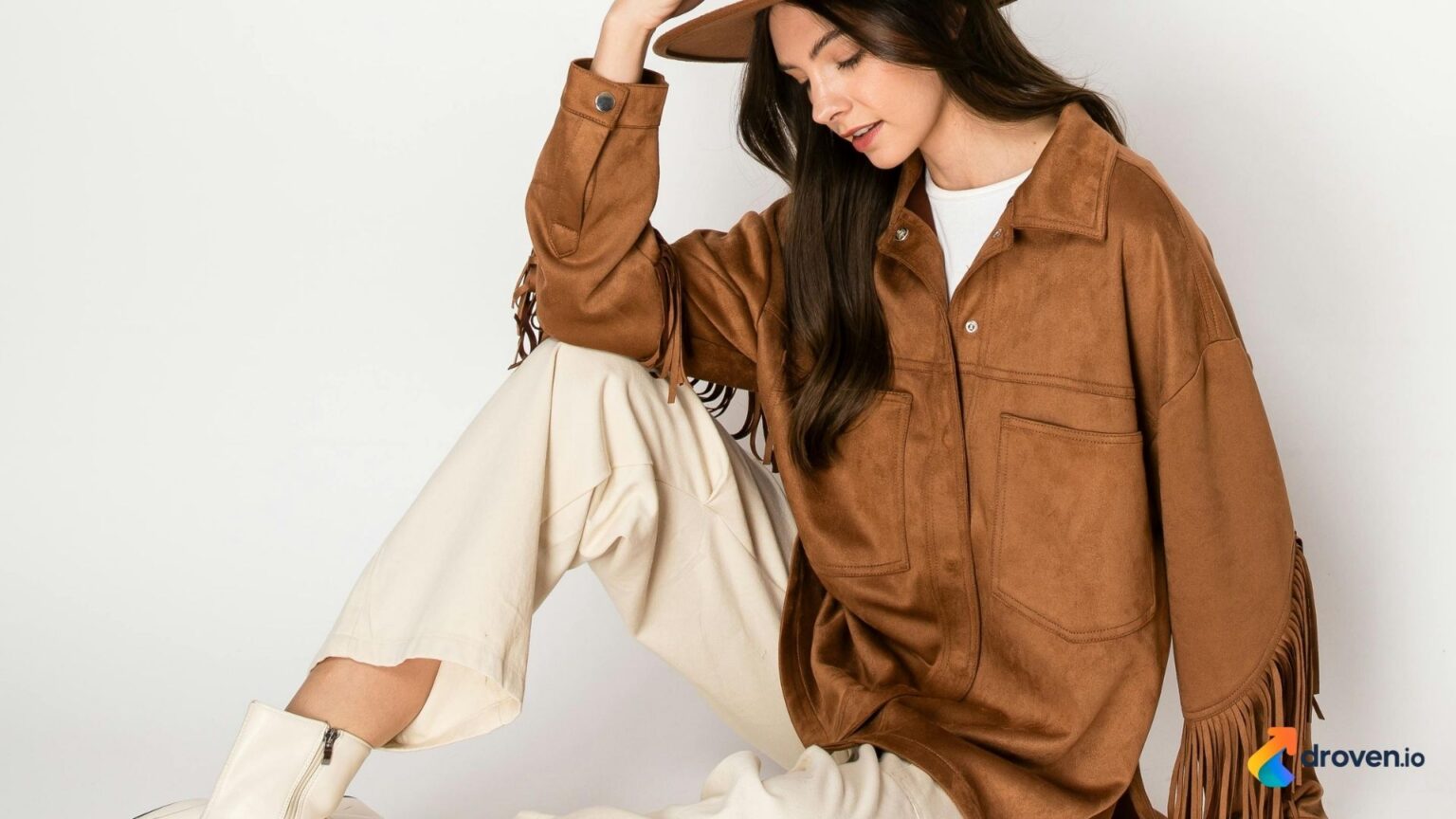
The retail and e-commerce landscape is undergoing a massive digital transformation. Brands constantly seek innovative ways to showcase their apparel without the exorbitant costs of traditional photoshoots. Consequently, AI fashion model tools have emerged as a revolutionary solution for creating lifelike virtual models and digital try-ons. These platforms allow retailers to generate diverse, customizable models in minutes, significantly reducing production time and expenses while enhancing the online shopping experience.
The Evolution of AI Fashion Model Tools
Historically, fashion retailers relied heavily on physical photoshoots to display their merchandise. This process required hiring models, photographers, makeup artists, and booking studio space. Furthermore, scheduling and logistics often delayed product launches. Today, artificial intelligence completely shifts this paradigm. Brands now use advanced algorithms to generate photorealistic models instantly. Therefore, retailers can bypass physical photoshoots entirely. This evolution allows companies to scale their visual content production rapidly. As a result, marketing teams can focus on strategy rather than logistics.
Reducing Photography Costs with Virtual Models
Physical photoshoots drain marketing budgets quickly. Costs include travel, equipment rental, and talent fees. However, AI fashion model tools slash these expenses dramatically. A brand can generate hundreds of images for the price of a single software subscription. Moreover, these tools eliminate geographical limitations. A retailer in New York can generate a model wearing their latest designs in a digital Parisian backdrop instantly. Consequently, small and medium-sized businesses can now compete with giant retailers on visual quality.
Key Features of AI Fashion Model Tools
When evaluating these platforms, several standout features dictate their utility. Not all software performs equally. Therefore, buyers must understand the core capabilities that drive value. High-quality platforms offer granular control over model aesthetics and garment fitting. Additionally, they integrate seamlessly with existing e-commerce infrastructure. These features ensure that the final output looks authentic and appeals to the target demographic.
Generative Virtual Try-On Technology
Generative virtual try-on technology represents the most significant breakthrough in this space. Customers upload a photo of themselves, and the AI maps the garment onto their exact body shape. Alternatively, retailers apply their clothing to diverse digital models. The AI adjusts lighting, shadows, and fabric draping to match the model’s pose perfectly. Consequently, shoppers see exactly how the garment fits before purchasing. This interactive experience boosts buyer confidence and reduces return rates significantly.
Customizable Body Types and Diversity
Modern consumers demand inclusivity. Therefore, brands must showcase clothing on various body types, ethnicities, and ages. AI fashion model tools excel in this area. Users can adjust body mass index, height, and muscle tone with simple sliders. Furthermore, the software generates models from different ethnic backgrounds instantly. This capability ensures that marketing campaigns reflect diverse consumer bases. Ultimately, shoppers connect more deeply with brands that represent them visually.
How Brands Integrate AI Fashion Model Tools
Implementing this technology requires strategic planning. Brands do not simply plug in the software and expect immediate results. Instead, they must integrate the tools into their existing workflows. Development teams often use application programming interfaces (APIs) to connect AI platforms with product information management systems. This integration automates the image generation process. When a designer uploads a new garment file, the system automatically generates model images for the online store.
Streamlining the Supply Chain with Digital Assets
Digital assets accelerate the entire supply chain. Traditionally, retailers needed physical samples to conduct photoshoots months before a product launch. Now, designers can use 3D garment files to generate model images before the physical item even exists. Therefore, marketing teams can prepare digital storefronts early. This early preparation shortens the time-to-market significantly. Moreover, if a designer changes the garment’s color, the AI updates all promotional images instantly. This agility prevents costly reshoots and keeps catalogs accurate.
Enhancing Customer Engagement and Conversion Rates
Visual engagement drives e-commerce sales. Static images on white backgrounds fail to capture a shopper’s imagination. Conversely, AI-generated models wearing clothing in dynamic poses tell a compelling story. Furthermore, interactive virtual try-ons keep users on the website longer. This extended session duration signals value to search engine algorithms. Consequently, organic search rankings often improve. More importantly, engaged shoppers convert at much higher rates. When customers visualize themselves wearing the product, they complete the purchase confidently.
Overcoming Challenges in AI Fashion Model Tools
Despite the massive benefits, this technology presents distinct challenges. The uncanny valley effect occurs when AI models look almost human but slightly unnatural. This eerie appearance can deter shoppers. Therefore, developers continuously refine their algorithms to achieve perfect photorealism. Additionally, rendering fabric accurately poses a massive technical hurdle. Stiff cotton drapes differently than silk. If the AI applies a rigid texture to a flowing dress, the illusion shatters.
Maintaining Garment Realism and Fabric Physics
To solve fabric physics issues, leading platforms train their AI on thousands of fabric behavior videos. The algorithms learn how light interacts with sequins versus wool. Furthermore, developers use physics engines to simulate how garments stretch and fold over body curves. This technical precision ensures that a virtual sweater looks genuinely knitted. However, handling complex patterns like plaids or florals still requires refinement. If the AI distorts a repeating pattern, consumers immediately notice the error. Therefore, continuous machine learning training remains a top priority for software engineers.
The Future of AI Fashion Model Tools
The trajectory of this technology points toward complete hyper-personalization. In the near future, e-commerce sites will offer personalized AI stylists. These digital assistants will analyze a shopper’s body measurements and past purchases. Then, the AI will generate a custom model wearing curated outfits tailored specifically to that user. Furthermore, augmented reality (AR) will merge with these AI models. Shoppers will project these digital garments into their physical rooms using smartphones. Consequently, the line between digital and physical retail will blur completely.
Ethical Considerations and Industry Standards
As AI models become indistinguishable from humans, ethical concerns arise. The industry must establish clear standards regarding digital manipulation. Brands should disclose when they use AI fashion model tools to avoid deceiving consumers. Furthermore, the technology must not promote unrealistic body standards. Developers must ensure their algorithms represent healthy, achievable body types. Ultimately, transparency will build consumer trust. Retailers who use AI ethically will thrive, while those who deceive shoppers will face backlash.
Top 6 SEO-Optimized FAQs
1. What are AI fashion model tools?
They are software platforms that use artificial intelligence to generate photorealistic digital models wearing specific garments for e-commerce and marketing.
2. How do virtual try-on tools increase sales?
They allow customers to see how clothes fit their specific body types, which boosts purchase confidence and significantly reduces return rates.
3. Can AI models display different body types?
Yes, users can adjust parameters like height, weight, and ethnicity to create diverse models that reflect their actual customer base.
4. Do AI fashion tools replace human photographers?
They reduce the need for physical photoshoots, but human photographers still provide creative direction and capture authentic lifestyle imagery.
5. How do these tools handle fabric realism?
Advanced algorithms train on fabric behavior data to simulate how materials drape, stretch, and reflect light accurately on digital models.
6. Are AI-generated models cost-effective for small businesses?
Yes, they eliminate the high costs of studio rentals and talent fees, allowing small brands to produce high-quality marketing images affordably.
Conclusion
The integration of artificial intelligence into apparel retail marks a significant shift in how brands approach marketing and product visualization. By adopting AI fashion model tools, companies can drastically reduce photoshoot expenses, accelerate time-to-market, and offer inclusive sizing options to their customers. While challenges like fabric physics remain, the technology evolves rapidly to meet industry demands. Furthermore, the ability to generate diverse models instantly allows brands to connect with a broader audience. Ultimately, retailers that leverage these digital assets will gain a competitive edge, delivering highly engaging and personalized shopping experiences that traditional photography simply cannot match.
