
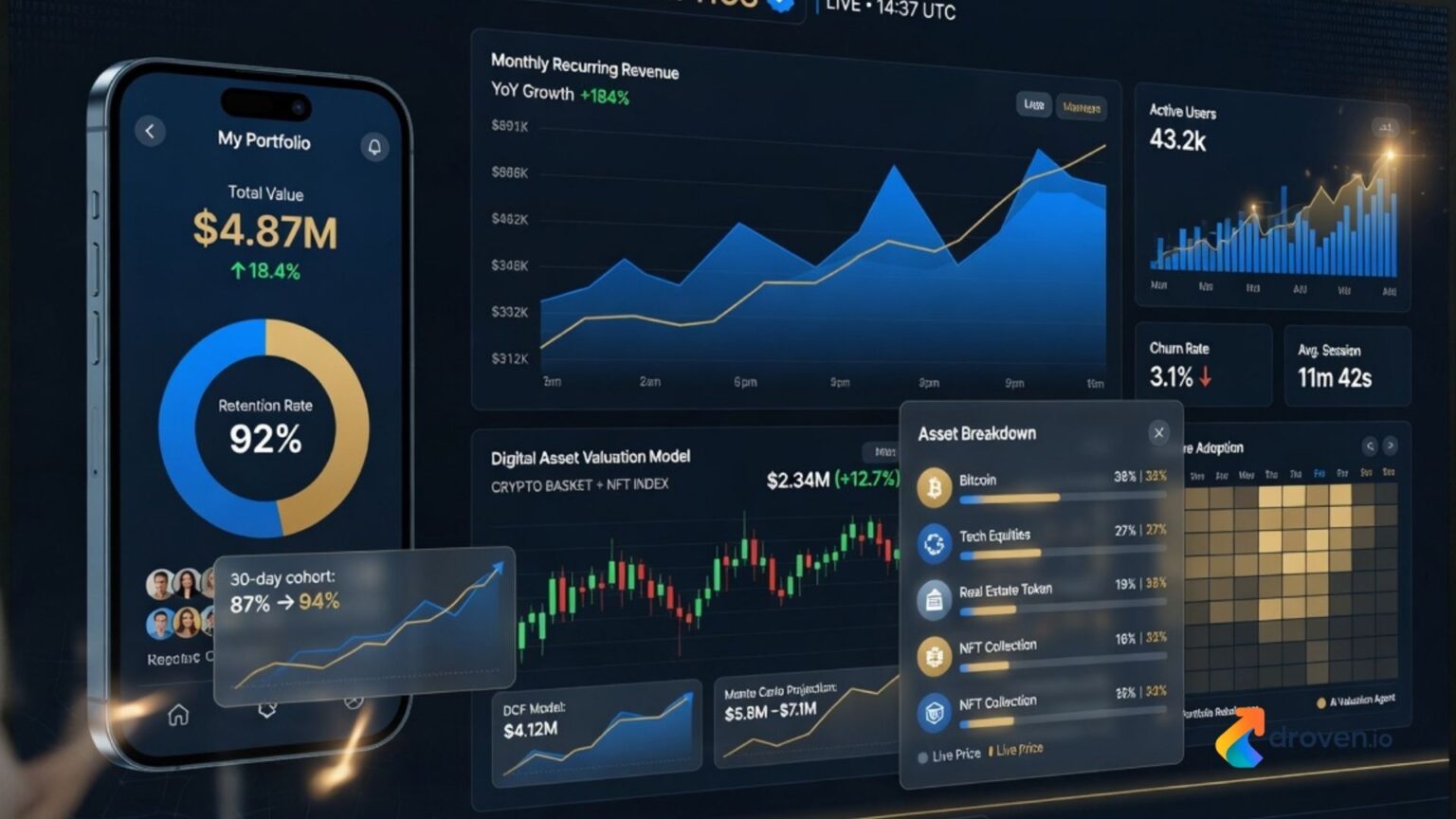
The software investment landscape has transformed dramatically, establishing mobile software as a legitimate, highly liquid asset class. Over the past decade, the global Business of Apps expanded from an emerging developer ecosystem into a multi-billion dollar M&A marketplace. Institutional investors, private equity groups, and digital portfolio operators now actively trade mobile applications like yield-generating real estate. Furthermore, buying existing mobile software allows investors to skip risky early development phases, acquire proven cash flow, and capture existing user bases instantly.
However, achieving sustainable returns in the digital asset market requires deep operational knowledge, precise valuation metrics, and thorough technical due diligence. This comprehensive industry analysis explores how buyers and sellers navigate the modern digital app market to scale capital efficiently.
Understanding the Modern Business of Apps Marketplace
Mobile applications have matured beyond simple consumer tools into predictable digital cash-flow assets. Consequently, secondary marketplaces now connect app developers with strategic acquirers daily.
| Phase 1: Creation | Phase 2: Brokerage | Phase 3: Acquisition |
|---|---|---|
| Developer Builds & Monetizes | Digital Asset Brokerage | Acquirer Scales Portfolio |
| Developer launches app, builds organic user base, and establishes baseline cash flow. | Asset is listed on specialized digital market platforms with verified financial records. | Investor acquires software, optimizes ASO, and expands recurring monetization. |
Historically, acquiring software required complex corporate acquisitions or direct venture capital buyouts. Today, specialized digital brokerages allow investors to acquire utility tools, gaming titles, and subscription platforms seamlessly.
| Investment Attribute | Traditional SaaS Software Assets | Mobile Asset Class in Business of Apps |
|---|---|---|
| Primary Distribution Channel | Direct web sales and enterprise teams | Apple App Store & Google Play Store |
| Customer Acquisition Cost | High outbound sales expenditure | Organic app store optimization (ASO) |
| Maintenance Overhead | Complex server infrastructure | Lightweight client-side architecture |
| Valuation Multiplier | 4.0x to 8.0x Annual Recurring Revenue | 2.5x to 4.5x Seller Discretionary Earnings |
| Transaction Velocity | Multi-month corporate negotiations | Rapid 14-to-30 day closing timelines |
Understanding these fundamental market differences allows portfolio managers to deploy capital strategically. In addition, acquiring mobile software provides immediate global distribution across millions of active smartphone users.
7 Secrets to Scale Wealth in the Business of Apps
Succeeding in the competitive digital software market requires a structured investment thesis. Below are seven proven strategies utilized by top portfolio operators.
1. Execute Data-Driven Valuations in the Business of Apps
Determining the true market value of a mobile application requires evaluating normalized historical financial records. Buyers should calculate Seller’s Discretionary Earnings (SDE) rather than relying strictly on gross revenue figures. Furthermore, discounting one-time marketing spikes prevents overpaying for unsustainable earnings performance.
2. Conduct Technical Due Diligence in the Business of Apps
Acquiring a digital asset without auditing its underlying source code exposes investors to severe technical debt. Therefore, engineering audits must verify code cleanliness, third-party library dependencies, and active API licenses. Consequently, clean code architecture ensures seamless long-term maintenance after ownership transfers.
3. Diversify Monetization Streams Across App Portfolios
Relying on a single revenue model creates operational vulnerability. For instance, apps dependent solely on ad networks suffer when ad impressions drop. Successful portfolio operators combine multiple monetization mechanisms to stabilize cash flow:
- Subscription Models (IAP): Delivers predictable, recurring monthly revenue from loyal active users.
- In-App Purchases (IAP): Captures high-margin one-off transactions for digital consumables or features.
- Rewarded Video Ads: Monetizes non-paying users without degrading overall user experience.
- Affiliate Partnerships: Generates secondary commission income by recommending relevant external products.
4. Optimize Organic App Store Optimization (ASO)
Organic search visibility drives sustainable user acquisition without continuous advertising spending. Therefore, buyers should refresh keyword metadata, localized store listings, and preview screenshots immediately after acquisition. Improving conversion rates on product pages increases organic download volume significantly.
5. Automate Routine Maintenance Operations
Scaling a digital asset portfolio requires operational efficiency. Portfolio owners automate routine customer support using AI chatbots and automated ticketing systems. As a result, operators manage multiple applications simultaneously without increasing headcount overhead.
6. Implement Turnkey Asset Transfer Protocols
Streamlining ownership transfer protocols prevents unexpected downtime during acquisition handoffs. Acquirers must transfer developer accounts, source code repositories, ad network IDs, and cloud infrastructure cleanly. Utilizing escrow services guarantees that funds remain safe until all digital assets pass technical verification.
7. Expand App Portfolios Through Strategic Roll-Ups
The fastest path to scaling enterprise value is acquiring complementary applications within the same niche. For example, combining multiple fitness tracking tools under one brand allows cross-promotion across user bases. Consequently, cross-marketing lowers user acquisition costs across the entire asset portfolio.
Valuation Metrics and Due Diligence in the Business of Apps
Accurate financial modeling protects acquirers from overpaying for decaying digital assets. Therefore, investors evaluate standardized operational metrics before submitting formal purchase offers.
| Valuation Metric | Calculation Formula | Ideal Target Benchmark |
|---|---|---|
| Monthly Active Users (MAU) | Total unique active users per 30 days | Stable or upward 90-day trajectory |
| Customer Retention (Day 30) | (Day 30 Users / Day 1 Downloads) * 100 | Exceeds 15% to 25% industry baseline |
| Average Revenue Per User | Total Monthly Revenue / Total Active Users | Consistent growth across quarterly periods |
| Churn Rate | (Canceled Subscribers / Total Subscribers) | Below 5% to 7% monthly average |
| SDE Multiple | Purchase Price / Annual Discretionary Cash Flow | 2.5x to 3.5x net annual earnings |
Analyzing these core operational indicators reveals the underlying health of an asset. Furthermore, cross-referencing churn metrics against historical user acquisition costs isolates sustainable growth from temporary marketing artificially boosted numbers.
Monetization Frameworks Driving the Business of Apps
Monetization efficiency directly dictates the market valuation multiplier of any mobile software asset. Consequently, transitioning acquired applications toward recurring subscription models instantly expands portfolio equity value.
| Stage 1: Legacy Ad Model | Stage 2: Hybrid Freemium | Stage 3: Predictive Subscription |
|---|---|---|
| In-App Advertising | Freemium Feature Locks | SaaS Subscription Engine |
| Relies on ad impressions and banner clicks; offers lower, volatile revenue per user. | Converts active users with optional micro-transactions and feature upgrades. | Delivers high-margin, predictable recurring revenue with higher valuation multiples. |
Moving away from ad-supported monetization toward freemium subscription models improves customer lifetime value (LTV). Subscribers generate higher recurring margin profiles, which command superior valuation multiples when selling the asset later.
Strategic Growth Trends Shaping the Business of Apps Segment
The secondary market for digital software continues to mature rapidly, driven by technological innovation and institutional capital deployment.
Institutional Aggregators Expanding in the Business of Apps
Private equity firms and specialized holding companies now raise dedicated capital funds to acquire mobile applications. These institutional aggregators acquire niche utility apps, optimize operating costs, and centralize back-office management. Consequently, institutional buying pressure increases asset liquidity across global marketplaces.
Integrating Generative AI Within the Business of Apps Sector
Artificial intelligence transforms existing mobile software assets into high-margin utility platforms. Acquirers regularly buy legacy applications and integrate AI features to justify higher subscription prices. As a result, adding generative AI functionality modernizes aging software and accelerates user retention.
Conclusion: Mastering the Future Business of Apps
Navigating the expanding digital asset landscape requires a disciplined approach to asset evaluation, technical auditing, and operational management. As demonstrated throughout the modern Business of Apps, purchasing existing mobile applications provides an efficient pathway to acquiring cash-flowing software assets. By applying data-driven valuations, optimizing app store visibility, diversifying monetization streams, and leveraging operational automation, investors scale digital portfolios effectively. As capital markets continue to embrace software assets, mastering these acquisition frameworks empowers investors to build highly profitable, resilient digital software portfolios.
Frequently Asked Questions (FAQs)
What is the primary advantage of buying an existing app versus building one?
Buying an existing application eliminates early development risk, delivering immediate cash flow, established user bases, and proven store indexation.
How are mobile app assets typically valued in the current market?
Mobile apps are usually valued using a multiple of Seller’s Discretionary Earnings (SDE), typically ranging between 2.5x and 4.0x annual net profit.
What is the most critical step during app due diligence?
Auditing source code cleanliness, verifying SDK dependencies, and confirming clean transfer of developer store accounts are the most critical steps.
Why are subscription models preferred in the Business of Apps ecosystem?
Subscription models provide predictable recurring revenue, higher customer lifetime value, and command superior valuation multiples during resale.
How long does a typical mobile digital asset transfer take?
Most mobile application transfers take between 14 and 30 days, depending on escrow verification and developer account migration steps.
Can individuals manage multiple mobile app assets simultaneously?
Yes, using automated customer support software, outsourced development agencies, and standardized ASO tools allows individuals to manage multiple assets easily.
