
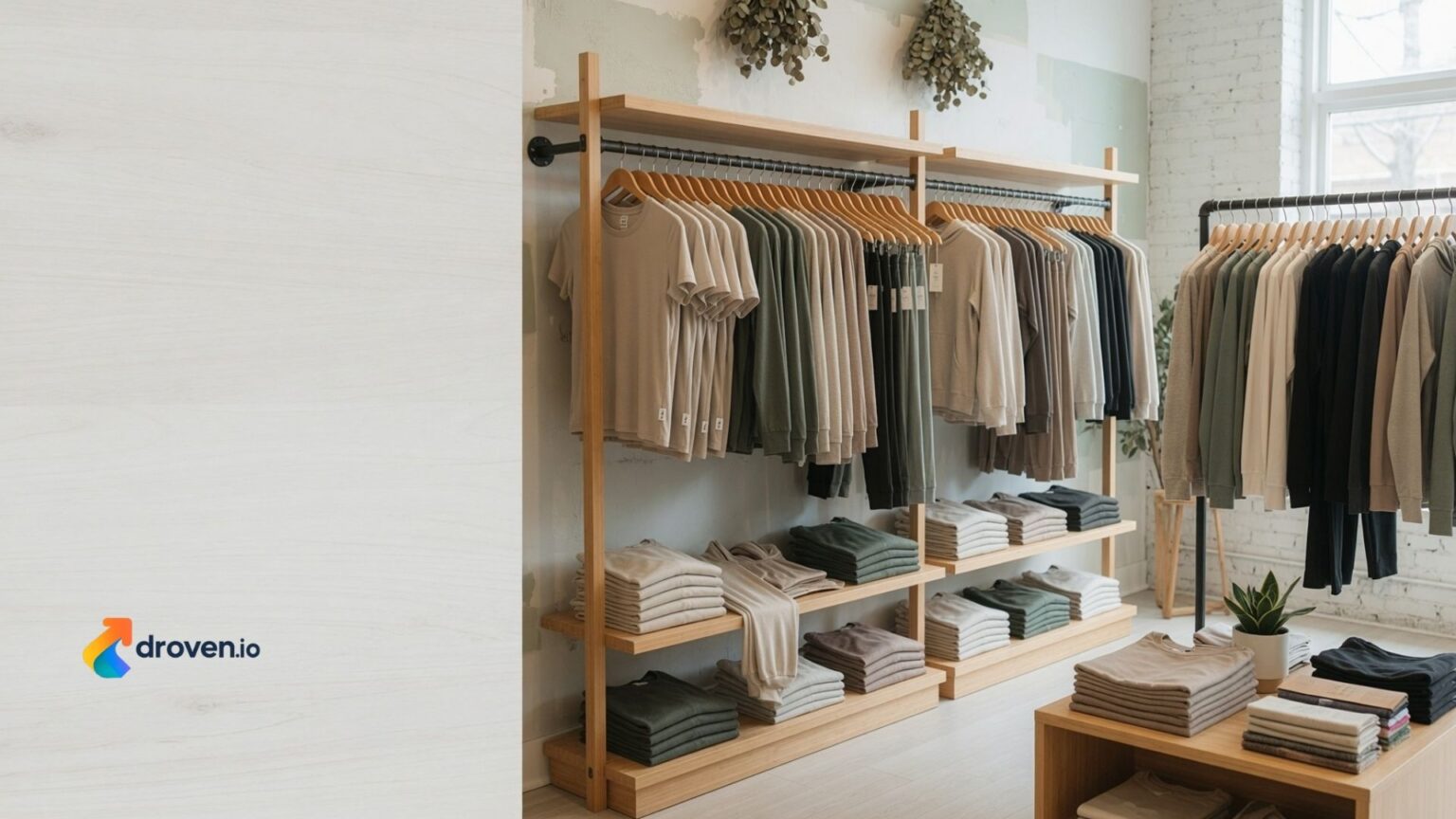
Consumers today are paying closer attention to how their clothing is made. Beyond style, many shoppers want garments that are comfortable, durable, and produced with responsible manufacturing practices. As a result, Canadian-made bamboo clothing has gained interest among people looking for high-quality apparel that supports local production while offering soft and breathable fabrics.
Bamboo-based textiles are commonly used in everyday essentials such as T-shirts, sleepwear, activewear, undergarments, baby clothing, and loungewear. When these products are manufactured in Canada, buyers may also value local craftsmanship, quality control, and shorter domestic supply chains.
This guide explains what Canadian-made bamboo clothing is, its potential benefits, how bamboo fabric is produced, and what to consider before making a purchase.
What Is Canadian-Made Bamboo Clothing?
Canadian-made bamboo clothing refers to apparel manufactured in Canada using fabrics made from bamboo fibers or bamboo-derived materials. Depending on the brand, manufacturing may include designing, cutting, sewing, and finishing garments within Canada.
It’s important to note that “Canadian-made” can have different meanings depending on applicable labeling regulations. Some garments may be manufactured in Canada using imported fabrics, while others may source and produce materials domestically where possible.
Consumers should review product labels or manufacturer information to understand how each garment is made.
How Bamboo Fabric Is Made
Bamboo clothing is produced using different manufacturing methods.
The most common processes include:
- Bamboo viscose (rayon)
- Bamboo lyocell
- Bamboo blends with cotton
- Bamboo blends with elastane or spandex
Each production method has different environmental characteristics, manufacturing requirements, and fabric performance.
Some bamboo textiles undergo chemical processing, while others use closed-loop manufacturing systems designed to recover and reuse solvents. The environmental impact depends on the specific production process.
Why People Choose Canadian-Made Bamboo Clothing
Many shoppers choose bamboo clothing because it combines comfort with practical everyday performance.
Common reasons include:
- Soft texture
- Lightweight feel
- Breathability
- Comfortable stretch
- Everyday versatility
- Interest in locally manufactured products
The experience may vary depending on fabric composition and garment construction.
Benefits of Canadian-Made Bamboo Clothing
Bamboo-based fabrics offer several characteristics that many consumers appreciate.
Soft and Comfortable
One of the most recognized qualities of bamboo fabric is its smooth, soft texture.
Many people choose bamboo apparel for:
- Casual wear
- Sleepwear
- Loungewear
- Undergarments
- Baby clothing
Comfort depends on the specific fabric blend and manufacturing process.
Breathability
Breathable fabrics can improve comfort during daily activities by allowing air to circulate more effectively.
This makes bamboo clothing a popular choice for both warm and cool seasons.
Moisture Management
Some bamboo-based fabrics are designed to help move moisture away from the skin during everyday wear or light physical activity.
Performance varies by fabric blend and garment design.
Stretch and Flexibility
Many bamboo garments include elastane or spandex to improve flexibility and support comfortable movement throughout the day.
Supporting Canadian Manufacturing
Choosing clothing manufactured in Canada may offer additional benefits.
These may include:
- Supporting local businesses
- Skilled garment production
- Domestic quality control
- Shorter transportation distances for Canadian customers
- Compliance with Canadian manufacturing standards
The specific manufacturing process varies by brand.
Popular Types of Canadian-Made Bamboo Clothing
Bamboo fabric is used across many apparel categories.
T-Shirts
Soft bamboo T-shirts are commonly worn as everyday basics because they combine comfort with versatility.
Loungewear
Comfortable bamboo loungewear is popular for relaxing at home or casual daily wear.
Activewear
Some athletic clothing uses bamboo blends for lightweight comfort and flexibility during low- to moderate-intensity activities.
Baby Clothing
Many parents choose soft fabrics for infants and young children. Bamboo blends are commonly used in baby bodysuits, sleepers, and blankets.
Undergarments
Breathable bamboo underwear and socks are widely available in different styles for everyday use.
Sustainability Considerations
Many consumers associate bamboo with sustainability. However, it’s helpful to understand that the environmental impact depends on several factors.
Consider:
Raw Material
Bamboo is a fast-growing plant that generally requires less irrigation than some conventional crops.
Manufacturing Process
The environmental characteristics of bamboo textiles vary depending on whether the fibers are processed into viscose, lyocell, or other forms.
Product Longevity
Durable clothing that lasts longer may reduce the need for frequent replacement.
Responsible Purchasing
Consumers interested in sustainability may wish to review certifications, manufacturing information, and brand transparency before purchasing.
How to Choose Quality Canadian-Made Bamboo Clothing
Before buying, consider several important factors.
Fabric Composition
Check whether the garment contains:
- 100% bamboo-derived fabric
- Bamboo and cotton blends
- Bamboo and elastane blends
Different blends offer different levels of stretch, durability, and softness.
Construction Quality
Examine:
- Stitching
- Seams
- Fabric weight
- Fit
- Overall finish
Quality construction contributes to garment longevity.
Care Instructions
Following the manufacturer’s washing recommendations helps preserve fabric quality over time.
Brand Transparency
Many companies provide information about manufacturing locations, sourcing practices, and production standards.
Reviewing these details can support more informed purchasing decisions.
Caring for Bamboo Clothing
Proper care helps maintain the appearance and lifespan of bamboo garments.
General recommendations include:
- Wash with similar colors.
- Use mild detergent.
- Follow garment care labels.
- Avoid excessive heat during drying unless permitted by the manufacturer.
- Store clothing in a clean, dry environment.
Always prioritize the care instructions provided with each garment.
Frequently Asked Questions
What is Canadian-made bamboo clothing?
Canadian-made bamboo clothing refers to garments manufactured in Canada using bamboo-derived fabrics or bamboo fabric blends.
Is bamboo clothing comfortable?
Many consumers appreciate bamboo clothing for its soft texture, lightweight feel, and breathable construction. Comfort varies by fabric blend and garment design.
Is bamboo clothing environmentally friendly?
Bamboo as a raw material has certain sustainability advantages, but the environmental impact of finished fabric depends on the manufacturing process used.
Can bamboo clothing be worn year-round?
Yes. Many bamboo garments are designed for everyday comfort across different seasons, depending on the fabric weight and style.
How should bamboo clothing be washed?
Always follow the care instructions provided by the manufacturer. In general, mild detergents and appropriate washing temperatures help maintain fabric quality.
Why choose Canadian-made clothing?
Many consumers choose Canadian-made products to support local manufacturing, quality craftsmanship, and domestic businesses.
Conclusion
Canadian-made bamboo clothing combines everyday comfort with the appeal of locally manufactured apparel. Its soft feel, breathable construction, and versatile designs make it a popular option for casual wear, sleepwear, activewear, and family clothing. While sustainability claims can vary depending on how the fabric is produced, choosing well-made garments from transparent manufacturers can help consumers make informed purchasing decisions. By considering fabric composition, construction quality, and proper garment care, shoppers can enjoy clothing that balances comfort, durability, and responsible manufacturing practices.
