
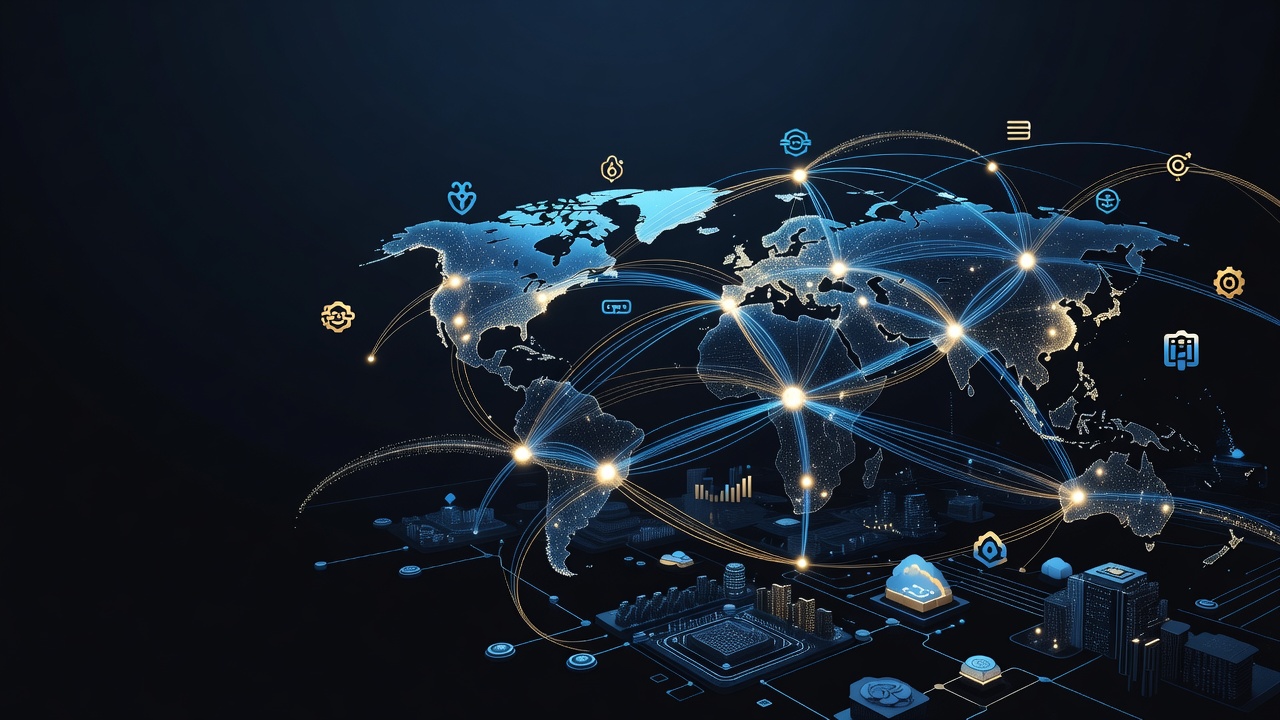
Blockchain technology has developed from a niche innovation into a global digital infrastructure supporting finance, payments, decentralized applications, and asset management. Today, the global blockchain ecosystem includes developers, exchanges, businesses, regulators, institutional investors, and millions of individual users participating across multiple blockchain networks.
One notable milestone highlighting this growth is Binance reaching its eighth anniversary. Since its launch in 2017, Binance has expanded alongside the broader blockchain industry. While individual companies have played important roles in blockchain adoption, the ecosystem itself continues to evolve through innovation, regulation, and increased participation from organizations around the world.
This article explores the development of the global blockchain ecosystem, Binance’s eight-year milestone, current industry trends, and what may shape the future of blockchain technology.
Understanding the Global Blockchain Ecosystem
The global blockchain ecosystem refers to the worldwide network of technologies, businesses, developers, users, regulators, and infrastructure that support blockchain-based applications.
Rather than focusing only on cryptocurrencies, today’s ecosystem includes many sectors, such as:
- Digital payments
- Decentralized finance (DeFi)
- Smart contracts
- Blockchain gaming
- Supply chain management
- Tokenized assets
- Digital identity
- Enterprise blockchain solutions
Each part of the ecosystem contributes to the continued development of blockchain technology.
Binance’s Eight-Year Milestone
Reaching eight years represents an important milestone for Binance within the broader blockchain industry.
Since its launch, Binance has expanded its services across multiple areas of digital finance, including:
- Cryptocurrency trading
- Digital asset custody
- Blockchain infrastructure
- Educational resources
- Developer support
- Web3 initiatives
Like many companies operating in the digital asset sector, Binance continues to adapt to changing regulations, technology, and market conditions.
Readers should consult Binance’s official announcements for the latest information regarding its services and operations.
How the Global Blockchain Ecosystem Has Evolved
The blockchain industry has changed significantly over the past decade.
Growing User Adoption
Millions of users worldwide now interact with blockchain applications through:
- Cryptocurrency wallets
- Trading platforms
- Decentralized applications
- NFT marketplaces
- Blockchain games
Although adoption continues to grow, usage varies by region and regulatory environment.
Institutional Participation
Financial institutions, investment firms, and technology companies have increased their interest in blockchain infrastructure.
Institutional participation may contribute to:
- Greater market liquidity
- New financial products
- Infrastructure development
- Research and innovation
However, participation differs across jurisdictions and organizations.
Expanding Developer Communities
Developers remain central to blockchain innovation.
Open-source communities continue building:
- Smart contracts
- Layer 2 networks
- Developer tools
- Decentralized applications
- Security solutions
Strong developer activity often supports ecosystem growth over time.
Technologies Driving Global Blockchain Ecosystem Growth
Several technologies continue shaping the industry.
Smart Contracts
Smart contracts automate agreements without requiring traditional intermediaries.
They support applications in:
- Finance
- Gaming
- Insurance
- Real estate
- Supply chain management
The available functionality depends on the blockchain platform.
Decentralized Finance
Decentralized finance enables blockchain-based financial services.
Examples include:
- Lending
- Borrowing
- Decentralized exchanges
- Stablecoins
- Asset management
Participation involves financial and technical risks that users should understand before engaging.
Tokenization
Tokenization converts certain assets into blockchain-based digital tokens.
Potential applications include:
- Real estate
- Securities
- Collectibles
- Intellectual property
Regulatory treatment varies across jurisdictions.
Challenges Facing the Global Blockchain Ecosystem
Despite rapid innovation, blockchain continues facing important challenges.
Regulation
Governments worldwide continue developing digital asset regulations.
Regulatory changes may affect:
- Exchanges
- Stablecoins
- Token issuance
- Consumer protection
- Compliance requirements
Future legislation remains subject to ongoing policy development.
Scalability
As blockchain adoption grows, networks continue working to improve transaction capacity and reduce congestion.
Solutions may include:
- Layer 2 scaling
- Sidechains
- Protocol upgrades
Different blockchain projects take different technical approaches.
Security
Protecting digital assets remains a priority.
Organizations continue investing in:
- Smart contract audits
- Cybersecurity
- Wallet protection
- Infrastructure security
Users should also follow strong personal security practices.
The Role of Blockchain Exchanges
Cryptocurrency exchanges provide access to digital asset markets.
Many exchanges support:
- Asset trading
- Wallet services
- Educational resources
- Market information
- Blockchain development initiatives
Each exchange operates according to its available services and applicable regulations.
Users should review official platform documentation before using any exchange.
Future Trends
The blockchain industry continues developing rapidly.
Areas receiving increasing attention include:
- Artificial intelligence integration
- Real-world asset tokenization
- Cross-chain interoperability
- Central bank digital currencies
- Enterprise blockchain adoption
- Improved scalability
- Digital identity systems
The pace of adoption depends on technological progress, regulation, and market demand.
Best Practices for Blockchain Participants
Whether you’re new to blockchain or an experienced user, consider these recommendations:
- Research projects carefully.
- Use secure wallets.
- Enable multi-factor authentication.
- Verify official announcements.
- Diversify where appropriate.
- Understand investment risks.
- Stay informed about regulatory developments.
- Continue learning as technology evolves.
Responsible participation supports better decision-making.
Frequently Asked Questions
What is the global blockchain ecosystem?
The global blockchain ecosystem includes blockchain networks, developers, exchanges, businesses, regulators, investors, and users who contribute to blockchain technology and digital asset adoption.
Why is Binance’s eight-year milestone significant?
The anniversary reflects Binance’s continued presence during a period of significant blockchain industry growth. It also highlights how the broader digital asset ecosystem has evolved since 2017.
Is blockchain only used for cryptocurrency?
No. Blockchain technology also supports supply chains, digital identity, smart contracts, decentralized finance, tokenization, and many enterprise applications.
What challenges does the blockchain industry face?
Common challenges include regulation, scalability, cybersecurity, interoperability, and user education.
How can someone participate safely in blockchain?
Use reputable platforms, protect your accounts with strong security measures, verify information through official sources, and understand the risks before making financial decisions.
What is the future of blockchain technology?
Blockchain continues evolving through innovation in decentralized applications, tokenization, artificial intelligence, enterprise adoption, and improved network scalability. Future developments will depend on technology, regulation, and market demand.
Conclusion
The global blockchain ecosystem has grown into a diverse network of technologies, businesses, developers, and users driving innovation across finance and many other industries. Binance’s eighth anniversary reflects one chapter in the broader evolution of blockchain, highlighting how quickly the industry has expanded over the past several years. As adoption continues, the future of blockchain will likely be shaped by technological innovation, responsible regulation, stronger security, and increased collaboration between public and private sectors. For anyone following the digital asset industry, staying informed through trusted sources remains essential in this rapidly changing environment.
