
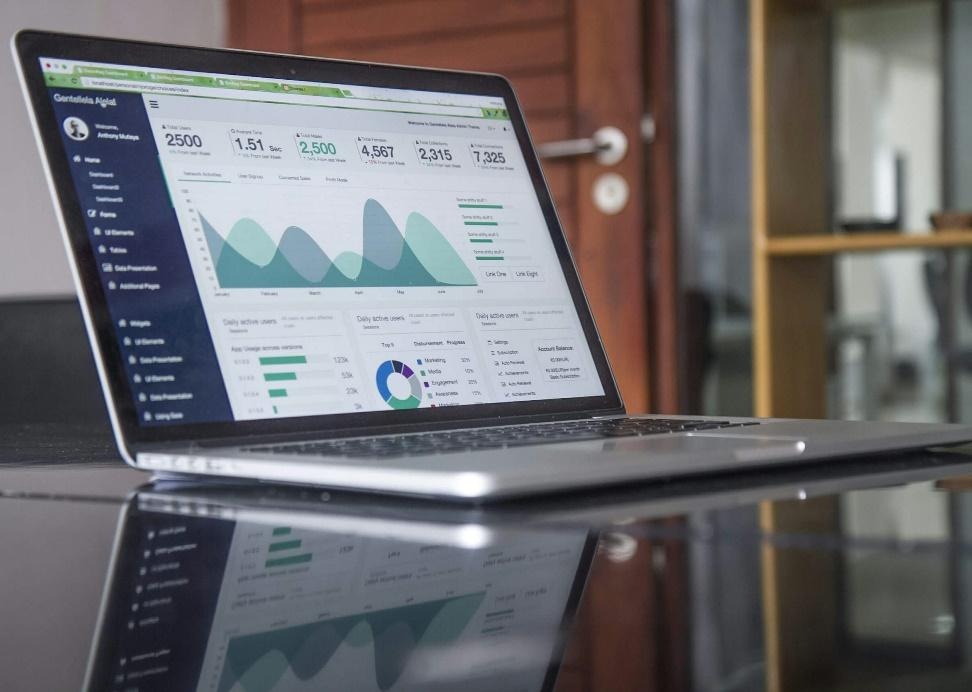
Business decisions used to run on instinct, experience, and a rough read of the room. That approach worked when the pace was slower, and the information available to leaders was thin. The modern workplace has flipped that setup on its head. Numbers now sit at the center of nearly every meaningful choice a company makes, and the people who can read those numbers hold real influence. Data literacy has quietly shifted from a specialist skill to a baseline expectation, and it now shapes how careers move forward in fields that once had nothing to do with spreadsheets or dashboards.
Building the Academic Foundation for a Data-Driven Career
Many working professionals hit a ceiling once their responsibilities start touching analytics, forecasting, and performance reporting without any formal training to back it up. That gap slows promotions, weakens credibility in leadership discussions, and eventually pushes ambitious people out of the running for senior roles. Southeastern Oklahoma State University offers an online MBA in Data Analytics that equips future business leaders with the academic grounding needed to pursue advanced management positions. The online format lets working adults keep their current jobs, apply new concepts to real projects the same week they learn them, and study on a schedule that fits around family and career obligations.
How Everyday Roles Have Changed
Look at almost any job description posted in the last few years, and you will notice something interesting. Positions that once asked for communication skills, organization, and industry knowledge now also ask candidates to be comfortable pulling insights from reports, spotting patterns, and translating findings into plans of action. A marketing coordinator is expected to explain why one campaign outperformed another using measurable outcomes. A store manager needs to interpret foot traffic trends and adjust staffing accordingly. Even roles in creative fields have absorbed this expectation, with editors, designers, and writers regularly reviewing engagement reports to shape what they produce next. The shift is not loud or dramatic, but it is steady, and workers who ignore it tend to fall behind peers who take the time to build fluency.
The Ripple Effect Across Departments
When one team learns to work confidently with information, the benefit rarely stays in that department. Finance teams that share clear reporting frameworks help operations plan better. Sales teams that track patterns properly help product development refine what they build. Human resources departments that measure engagement thoughtfully help leadership retain the right people. The organizations that pull ahead are the ones where this fluency spreads across every function rather than sitting inside a single analytics group. Leaders have started to notice that hiring one specialist to handle everything creates a bottleneck. Spreading the skill widely creates momentum.
Communication Is the Missing Half
Reading a chart and explaining a chart are two very different skills. Many professionals can technically pull information together, but far fewer can walk a room of decision-makers through what the findings actually mean for the business. This is where careers tend to accelerate or stall. The ability to strip away noise, highlight what matters, and offer a clear recommendation is what separates a contributor from a leader. Storytelling with numbers has become one of the most valuable soft skills in the modern workplace, and it cannot be faked. It comes from repeated practice, honest feedback, and a genuine curiosity about what the information is really saying.
Industries That Once Resisted the Shift
Certain fields spent years assuming they were immune to this change. Construction, hospitality, agriculture, and small manufacturing all leaned heavily on tradition and hands-on experience. That has changed quickly. Farmers now monitor yield patterns and soil conditions with the same care that a portfolio manager watches markets. Hotel operators track guest behavior to shape everything from room layouts to menu choices. Contractors use project tracking systems that measure productivity down to the hour. The industries that felt safest from this shift have often been the ones transformed most sharply by it, and the professionals inside them who adapted early have opened doors that were previously closed.
Preparing the Next Generation of Workers
Educators and parents are recognizing that young people entering the workforce need this fluency earlier than any generation before them. High schools have started introducing basic reasoning with information alongside traditional math courses. Colleges are weaving these expectations into liberal arts degrees, not just business or science tracks. Employers are asking about it in entry-level interviews. A recent graduate who can walk into a first job and confidently work through a reporting task gains an immediate edge over peers who freeze when asked to open a spreadsheet. The bar has moved, and the students preparing for it now will step into their careers ready rather than scrambling to catch up.
Personal Habits That Build Fluency Over Time
Formal training helps, but so does daily practice. Professionals who build strong fluency tend to share a few habits. They question the source of information before accepting it. They look at the same set of findings from more than one angle before drawing conclusions. They resist the pull of tidy narratives that ignore inconvenient details. They ask what the numbers leave out, not just what they show. These habits sound simple, but they take real effort to build, and they compound over time. Someone who spends a few minutes each day practicing this kind of thinking will outperform peers who wait for a training seminar to hand them the skill.
The Long View for Careers
The workers who invest in this fluency early tend to enjoy more control over where their careers go. They move between industries more easily because their skills travel well. They earn trust from senior leaders faster because they speak the language executives now expect. They also tend to weather economic shifts better because organizations rarely cut the people who help them understand what is happening. The shift toward data-driven work is not slowing, and the professionals who treat fluency as a lifelong practice rather than a one-time course will keep finding themselves in the rooms where decisions get made.
