
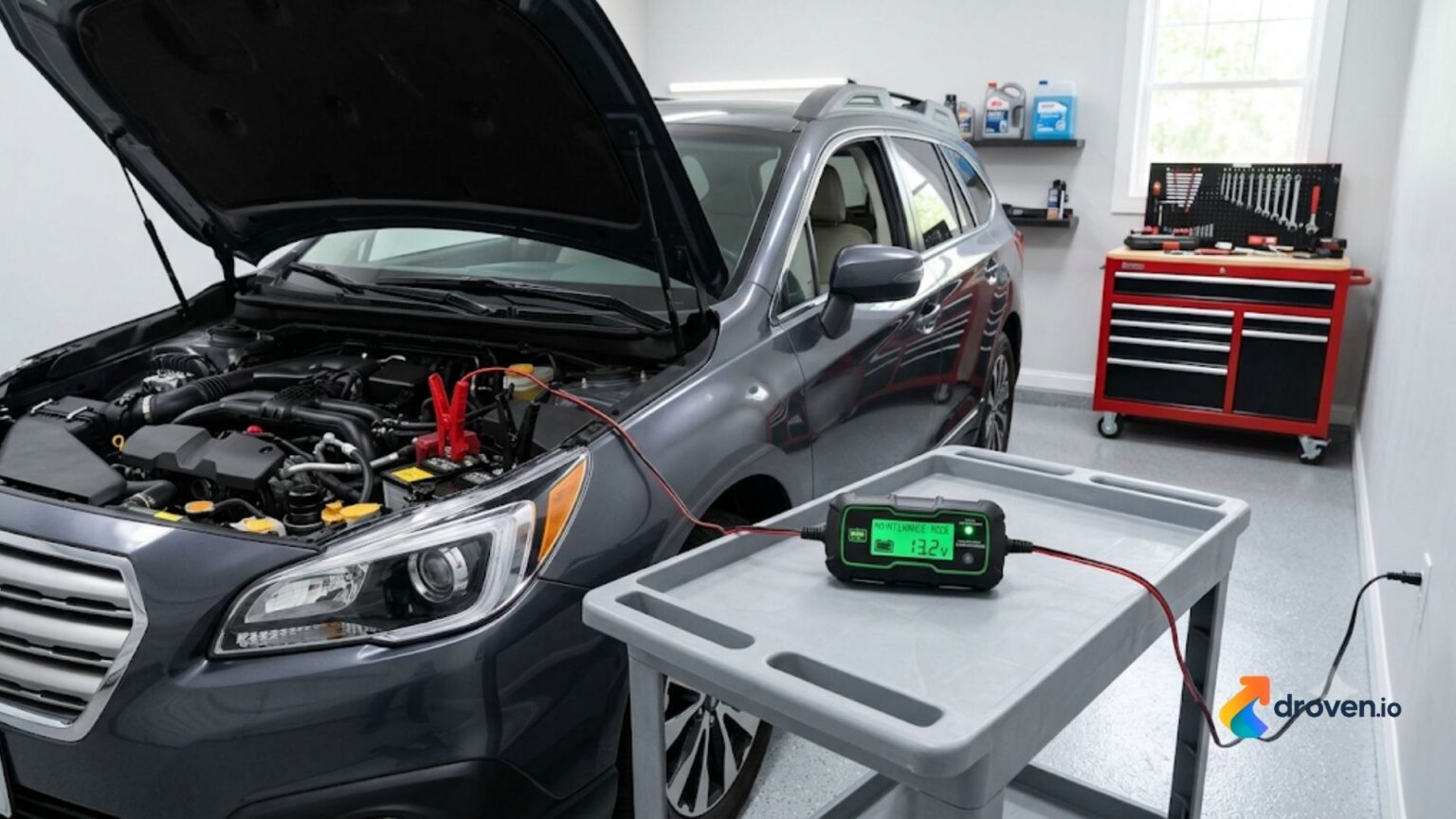
A dead battery has a way of arriving at the worst possible moment. You turn the key, expect life, and hear only that flat, discouraging click. It is frustrating, inconvenient, and sometimes oddly personal, as if the machine has chosen betrayal. That is exactly why understanding how charging habits affect battery health matters so much. For drivers, boat owners, motorcyclists, and anyone storing seasonal equipment, the right charging method can be the quiet difference between confidence and chaos.
Among the many tools used to preserve battery life, one stands out for its simplicity and usefulness: the trickle charger. Used correctly, it can help maintain a battery during long periods of inactivity and reduce the slow decline that happens when a battery sits unused. But like many useful tools, it has limits. It is not magic. It is not always the best option. And if misused, it can slowly wear down the very battery you are trying to protect.
Understanding Battery Performance and Why It Fades
Batteries are not immortal. Even the best ones age with every charge cycle, every temperature swing, and every week spent sitting idle. When a battery loses charge and remains undercharged for too long, sulfation can begin to form on the lead plates in traditional lead-acid batteries. That buildup reduces capacity, weakens performance, and shortens service life.
This is where charging strategy becomes deeply important. A battery that is regularly drained and ignored will usually fail sooner than one that is kept at a healthy charge level. You can think of battery care the way you might think about caring for your own energy. Too much strain exhausts you. Too much neglect weakens you. Balance matters.
There is also an emotional truth here. Many people do not think about battery maintenance until they are stranded. Then suddenly the topic feels urgent, expensive, and unforgettable.
How a Trickle Charger Supports Long-Term Battery Health
A trickle charger delivers a low, steady amount of current to a battery over time. Its main purpose is maintenance, not rapid recovery. That makes it especially useful for vehicles or equipment that sit for weeks or months, such as classic cars, RVs, lawn tractors, and motorcycles during winter storage.
By replacing the small amount of energy a battery naturally loses through self-discharge, this charging method can help the battery remain ready for use. That steadiness can be beneficial because a battery stored in a partially discharged state often degrades faster than one kept near full charge.
There is a small story that fits here. A neighbor once tried to surmise why his vintage motorcycle kept failing every spring. He blamed the cold, then the wiring, then plain bad luck. But the real reason was quieter: the battery spent months slowly draining in the garage. Once he changed his storage habits, the problem nearly disappeared. Sometimes what you surmise first is dramatic, but the truth is simple and patient.
That lesson applies broadly. Battery performance is not shaped only by dramatic failures. It is shaped by slow patterns, tiny losses, and overlooked habits.
Battery Charger Basics: Maintenance Versus Recovery
Not every battery charger works the same way, and that distinction matters more than many people realize. Some chargers are designed to replenish a depleted battery quickly. Others are built to maintain a battery that is already charged or nearly charged. Choosing the wrong one can lead to frustration or poor battery care.
A standard battery charger can be excellent when a battery has been significantly discharged and needs a fuller, faster recharge. It is often the practical choice after lights were left on or a vehicle has been unused longer than expected. But once the battery is restored, long-term maintenance requires more caution.
Picture a long rural landscape at dusk, the kind where every fence post and low hill seems to hold a memory. One family learned this while storing an ATV on a farm through the off-season. The machine looked perfectly fine against that quiet landscape, parked and covered, almost resting. Yet beneath that stillness, the battery was slowly fading. The lesson was clear: inactivity does not mean stability. A battery may look fine while silently losing strength.
Potential Downsides of Improper Charger Use
For all its benefits, a trickle charger is not foolproof. Traditional models can continue supplying charge even when the battery is already full. If left connected too long without automatic regulation, that overcharging can cause water loss in some batteries, excess heat, and long-term damage. In trying to preserve performance, you may accidentally reduce it.
That is why modern smart maintainers are often preferred. They monitor charge levels and adjust output when needed. Instead of endlessly pushing current, they pause or shift into maintenance mode. This protects the battery more effectively and removes much of the guesswork.
There was once a mechanic who described an old garage wall as brickish, not quite red and not quite brown, just worn into its own stubborn color by years of dust and weather. He used that same word for neglected batteries. They were not obviously ruined, not dramatically broken, just quietly worn down by time and poor habits. It was a strange description, but memorable. Battery decline is often brickish in that way—gradual, dull, and easy to ignore until failure becomes unavoidable.
Trickle Charger Best Practices for Better Results
To get the most from a trickle charger, you should match it to your battery type and your storage needs. Lead-acid, AGM, gel, and lithium batteries all have different charging requirements. Using the wrong charger can compromise both safety and performance.
It also helps to inspect battery terminals before connecting anything. Corrosion, dirt, and loose connections can interfere with proper charging. Store the battery, if removed, in a dry and temperature-stable environment whenever possible. Extreme heat accelerates degradation, while harsh cold can reduce available power.
If the battery is deeply discharged, another battery charger may be needed first to restore it before maintenance charging begins. A maintainer is best viewed as part of a routine, not a cure-all for an already failing battery.
A Smarter Way to Protect Battery Life
When used thoughtfully, the car battery trickle charger can be a reliable ally in protecting battery performance. It helps reduce self-discharge, supports readiness during storage, and can extend the usable life of many batteries. But success depends on choosing the right device, understanding the battery’s condition, and avoiding overcharging.
That is the heart of the matter. Batteries rarely ask for much, but they do ask for consistency. A little attention now can spare you a great deal of aggravation later. And when the engine starts without hesitation on a cold morning, that small act of care feels less like maintenance and more like relief. In the end, battery health is not only about power. It is about trust, preparedness, and the quiet comfort of knowing your machine will be ready when you need it most.
