
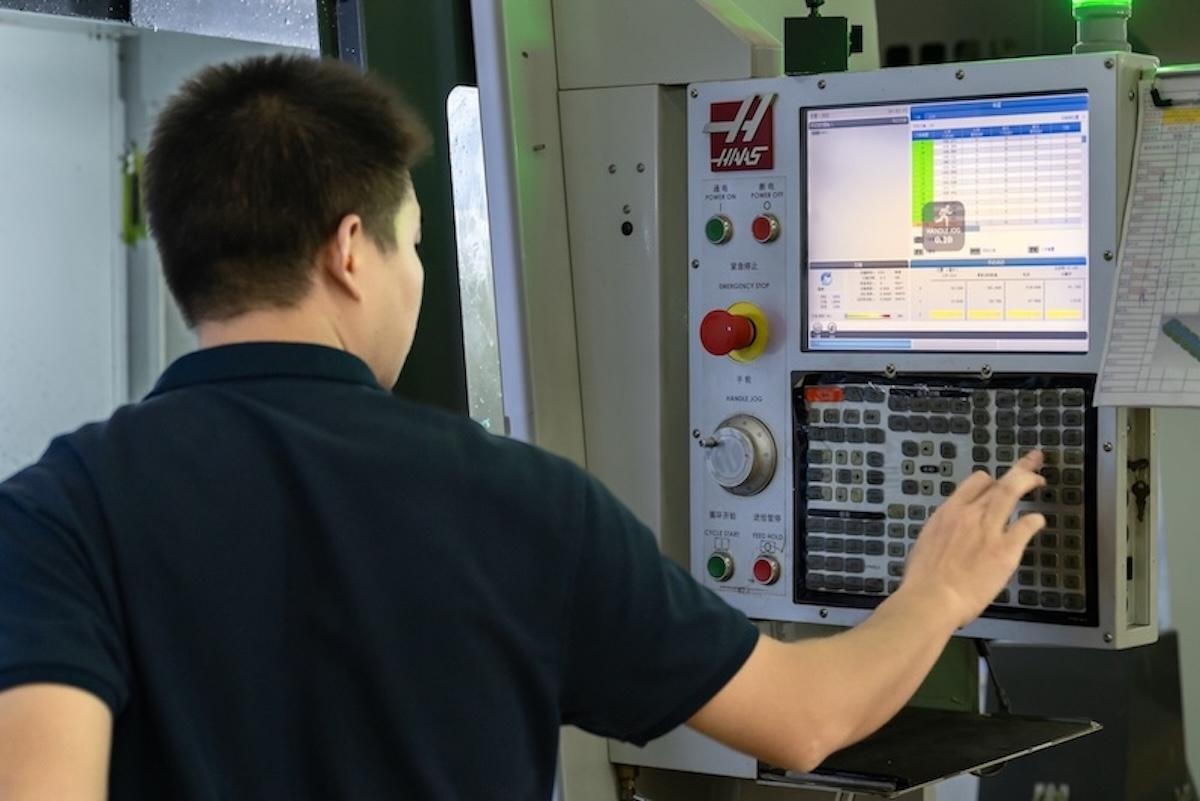
A dashboard full of live machine data is only useful if someone with process knowledge is interpreting it. Without that, monitoring just produces more numbers to ignore. Most shops that adopt real-time monitoring focus on the technology first and the workflow second, which is backwards. The value only shows up once engineers know which decisions the data should actually change. In practice, effective CNC machining services treat digital data as a decision tool for engineers, not a replacement for the judgment that defines how a part should be made.
Digital Monitoring Creates a Shared View of Production
Paper-based tracking creates disagreements. Production says a machine ran during a particular time, quality says a product didn’t come out in time, but no one had a “timestamp” to prove who was correct. Those arguments do not resolve based upon who is correct. They are typically settled by which team member appears the most credible.
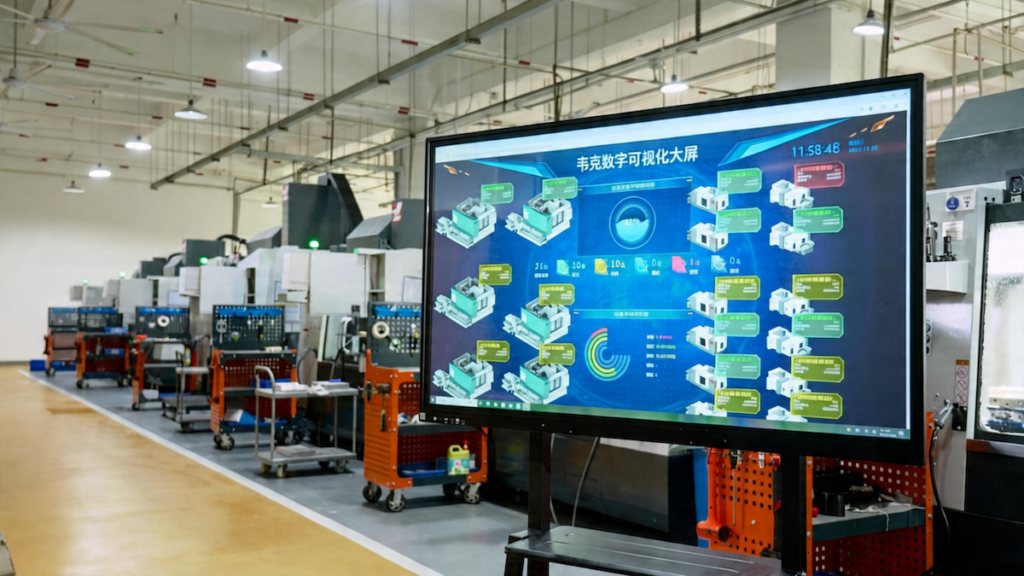
Real-time dashboards eliminate those differences because all members of the engineering, scheduling, and quality teams have access to real-time information regarding the run status, downtime reason for failure, and total production as opposed to having three different accounts of what happened with each team member recalling events after the fact.
That common knowledge allows on-demand manufacturing to occur at high volumes. It gives engineers instant knowledge of the status of machines and jobs being worked on so they don’t pull an operator away from working on their assigned tasks. It also provides schedulers with enough information to make informed decisions about how many products will be produced today based on available equipment versus last day’s estimates.
Engineers Define the Process Before Monitoring Begins
The ability to monitor parts in relation to a process is based on an understanding of what ‘normal’ should be. Therefore before any material goes into a machine, the engineers at WayKen will perform a design for manufacturability (DFM) check and evaluate the order against its own manufacturing capabilities. A dashboard is only able to signal a variation from normal if you have previously determined what normal would look like; the correct fixtures, tooling sequence and cut parameters for the given part geometry.
Therefore, skipping this phase does not only put the first part at risk, but also puts the entire monitoring process at risk by creating unreliable alarms and idle time comparisons with no basis for those alarms or comparisons. That is why CNC machining services providers always perform this review as a required step prior to starting production and do not consider it optional.
Real-Time Signals Help Engineers Intervene Earlier
Waiting for a finished batch to catch a problem is expensive by design, a worn tool that starts drifting bore diameters mid-run will affect every part machined after the drift begins, not just the last one measured. By the time an operator notices a dimension trending out of spec on a final check, the scrap has usually already been cut. Real-time alarm and tool-life data changes that math by surfacing the deviation while the run is still in progress.
This is where engineer judgment matters most: the system flags an anomaly, but deciding whether to pause the run, swap a tool, or adjust a parameter is still a process decision, not an automated one. That distinction matters most in on-demand manufacturing, where a single batch often can’t absorb the cost of a full scrap run.
Quality Inspection Closes the Production Feedback Loop
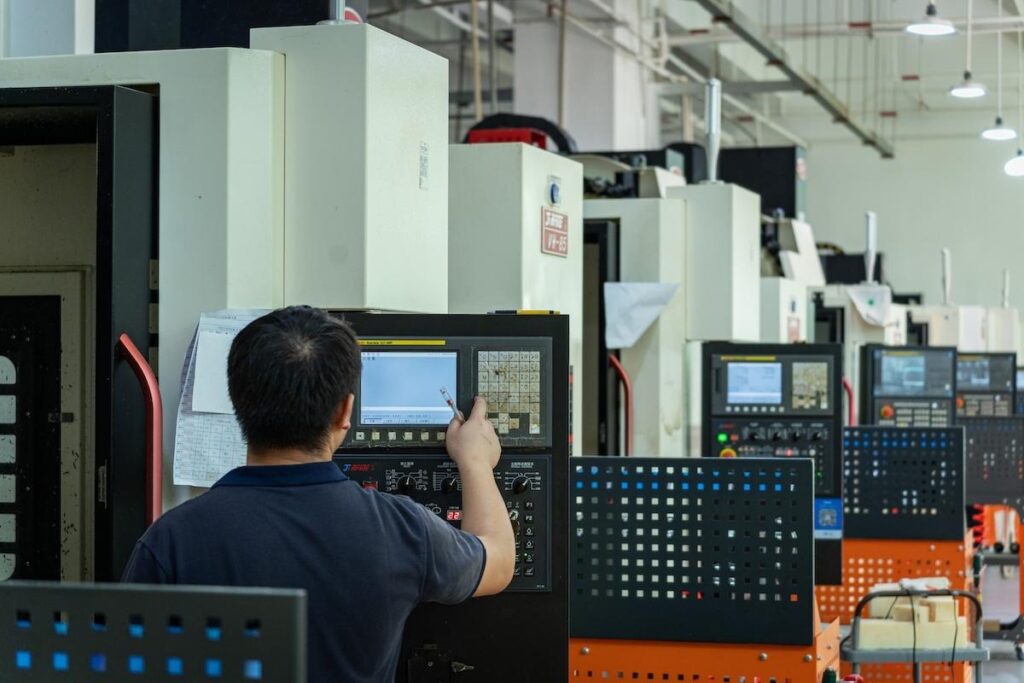
The First Article Inspection (FAI) is to verify that the production equipment is manufacturing what the engineering department has defined prior to committing to a full-run of parts. The FAI process at WayKen includes a full size report compared with the original drawings. Additionally, they conduct in-process inspections to verify that the set-up validated during the first article inspection remains valid for the remainder of the batch.
Final inspection results do not simply pass/fail each batch. They provide important information used to plan subsequent runs of parts. This loop is what differentiates companies providing CNC machining services who view inspection as a mere formality versus those who use it as an engineering tool to improve their processes for future jobs.
Conclusion
Digital monitoring gives engineers faster, more accurate information, it doesn’t replace the process decisions that make a part manufacturable in the first place. The shops that get the most out of connected machine data built solid engineering discipline first and layered monitoring on top, not the reverse. Real-time visibility paired with engineering judgment at every stage is what makes disciplined, repeatable on-demand manufacturing possible.
