
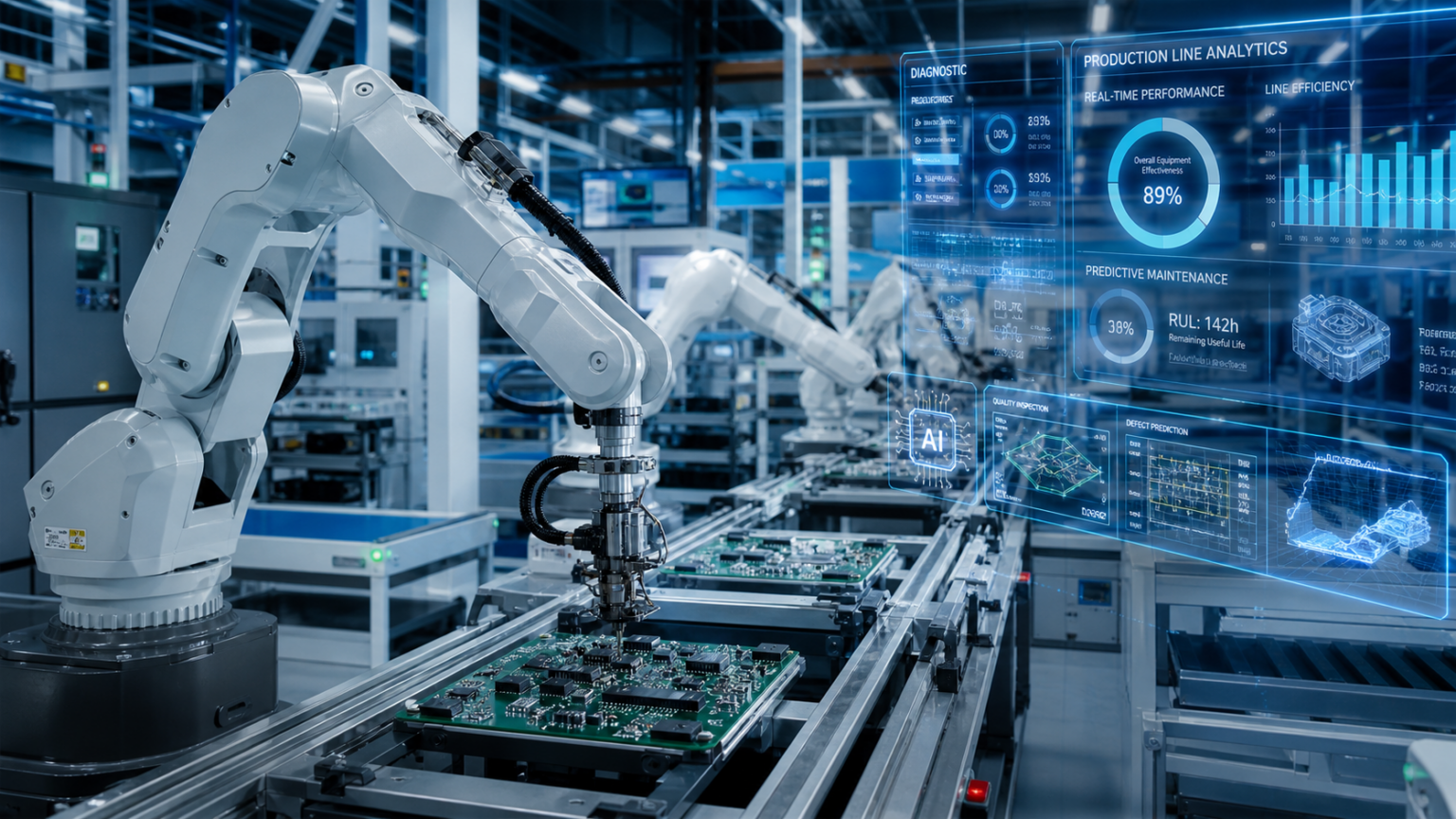
In today’s fast-paced technological landscape, the integration of artificial intelligence (AI) into electronics manufacturing is not just a trend; it’s a necessity. This article explores how to implement AI in electronics manufacturing through real-world success stories. Here, you’ll find practical insights and case studies that spotlight the benefits, challenges, and ROI of AI initiatives in manufacturing settings. Companies looking to enhance efficiency and reduce costs can leverage these examples to craft their own AI strategies. By diving deep into various success stories, you will gain a comprehensive understanding of how to implement AI in electronics manufacturing effectively.
What is AI in Electronics Manufacturing?
AI encompasses a range of technologies that simulate human intelligence, such as machine learning, natural language processing, and robotics. In electronics manufacturing, AI can streamline processes, improve product quality, and optimize supply chains. Below are various approaches and applications of AI in the sector:
- Predictive Maintenance: AI algorithms analyze equipment data to predict failures before they occur, minimizing downtime and improving operational efficiency. This proactive approach allows manufacturers to schedule maintenance during off-peak hours, preventing costly production interruptions.
- Quality Control: AI-based vision systems can detect defects in real-time on assembly lines, leading to significant reductions in rework and waste. By utilizing high-resolution cameras and advanced algorithms, these systems can identify not only visible defects but also subtle inconsistencies that might be missed by the human eye.
- Supply Chain Optimization: AI helps firms analyze demand forecasts and adjust inventory levels accordingly, thus enhancing responsiveness to market changes. By employing AI-driven analytics, manufacturers can predict seasonal demand fluctuations and shift inventory strategies in anticipation of trends.
- Enhanced Design Processes: Machine learning can optimize product design by analyzing customer feedback and performance data to inform future innovations. This results in products that are more aligned with consumer expectations, subsequently boosting sales and customer satisfaction.
- Robotic Process Automation (RPA): RPA assists in automating repetitive tasks within the manufacturing process, reducing labor costs and increasing productivity. This can range from simple data entry tasks to more complex operations like assembling certain components, allowing human workers to focus on more strategic activities.
Case Studies of Successful AI Implementation in Electronics Manufacturing
1. General Motors: Predictive Maintenance
General Motors (GM), one of the largest automotive manufacturers, has employed predictive maintenance through AI to reduce downtime considerably. By implementing IoT sensors and data analytics, GM can monitor the condition of equipment in real time. This strategy has led to a 20% reduction in maintenance costs and a significant increase in production efficiency. By analyzing historical data and predicting when parts might fail, GM is not only saving money but also improving vehicle quality.
2. Siemens: Quality Control with AI
Siemens applied AI for quality assurance in its electronic product lines. By utilizing AI-powered vision systems, Siemens can analyze thousands of components in seconds to identify defects. This initiative not only reduces human error but also improves the overall quality of products coming off the manufacturing line. As a result, Siemens reported a 30% drop in return rates for faulty products. This case highlights how AI-driven quality control not only safeguards the brand’s reputation but also reduces costs associated with returns and corrections.
3. Philips: Smart Manufacturing
Philips has successfully integrated AI into its manufacturing processes with the implementation of smart factories. By employing data analytics and AI-driven automation, Philips can optimize its production lines and reduce costs. The company claims to have achieved 25% increases in efficiency and 20% reductions in waste since adopting AI technologies. These improvements can be attributed to advanced algorithms that predict the best production methods and resource allocations, showcasing a transformative approach to manufacturing.
4. Foxconn: Machine Learning for Logistics
Foxconn, a key player in the electronics manufacturing supply chain, has harnessed machine learning to streamline logistics operations. The company uses AI to predict shipment delays and optimize delivery schedules. The result? An 18% improvement in logistics efficiency and enhanced customer satisfaction. Additionally, by predicting demand accurately, Foxconn has reduced excess inventory, cutting costs and improving cash flow.
5. Intel: Intelligent Automation
At Intel, AI plays a crucial role in intelligent automation. The company has developed AI algorithms to monitor machine performance and automate repetitive tasks in manufacturing. Intel reports improved yield rates and operational efficiency, which translates to substantial cost savings across its production facilities. By continuously learning from production data, Intel’s AI systems adapt to changes, ensuring peak performance and resource utilization.
How to Integrate AI into Manufacturing
Successfully integrating AI into manufacturing is a multi-step process that combines strategy with technology. Here’s a roadmap to get started:
- Identify Opportunities:
- Evaluate areas with potential for improvement, such as maintenance, quality control, or supply chain. Engage your teams in brainstorming sessions to uncover where AI could provide the most benefit.
- Choose the Right Technologies:
- Select AI tools that match your identified needs, whether it’s machine learning platforms, robotic automation, or data analytics. Conduct market research to identify reputable vendors that align with your goals.
- Pilot Projects:
- Before a full-scale rollout, conduct pilot projects to test AI applications in a controlled environment. Assess performance metrics to refine your approach. This phase is critical for understanding potential roadblocks and gathering feedback from the teams involved.
- Staff Training:
- Invest in training your workforce on AI technologies. Employees must be equipped to leverage new tools effectively. Consider cross-training initiatives that allow different teams to share insights and best practices on AI usage.
- Monitor and Optimize:
- Post-implementation, continuously monitor AI systems to collect data and optimize processes. This iterative approach ensures that your AI solutions evolve with your business and can adapt to changing market conditions.
- Foster a Culture of Innovation:
- Encourage an organizational culture that embraces experimentation and innovation, allowing employees to explore AI solutions that drive efficiency. Establish platforms or forums where employees can pitch new ideas or improvements based on AI-enabled insights.
Key Benefits of AI in Electronics Manufacturing
- Increased Efficiency: AI technologies streamline manufacturing processes, from production lines to logistics, driving down production time and costs.
- Enhanced Accuracy: With AI, the accuracy of data analysis improves, resulting in better decision-making and fewer errors in production.
- Cost Reduction: Automated processes reduce labor costs and minimize waste, allowing companies to invest savings back into innovation and growth.
- Scalability: AI systems can scale quickly and adapt to changing production demands, making it easier for manufacturers to pivot in competitive markets.
- Innovation: By analyzing data, AI can fuel innovation in product development and improve time-to-market for new products.
Frequently Asked Questions
What is the 30% rule in AI?
The 30% rule in AI suggests that all AI implementations will only succeed if 30% of the relevant workforce is involved in the design, operationalization, and review process. This inclusivity helps ensure AI solutions are user-friendly and effectively address real problems.
How to integrate AI into manufacturing?
Integrating AI into manufacturing involves identifying potential improvements, choosing appropriate technologies, piloting projects, training staff, and fostering an innovative culture that continuously seeks optimization.
How is AI used in electronics?
AI is used in electronics for various purposes, including predictive maintenance, quality control, supply chain optimization, enhanced design processes, and robotic process automation, significantly improving efficiency and quality.
Is there any AI for electronics?
Yes, there are numerous AI applications in electronics manufacturing, including AI-powered vision systems for quality assurance, predictive maintenance systems to enhance equipment reliability, and machine learning algorithms for supply chain optimization.
Conclusion
The successful implementation of AI in electronics manufacturing is no longer a distant dream—it’s a reality backed by numerous successful case studies. From General Motors to Philips, companies are leveraging AI to boost efficiency, improve product quality, and reduce costs. By understanding how to implement AI in electronics manufacturing, businesses can craft tailored strategies that enable them to thrive in a competitive landscape. Embracing these technologies not only enhances operational performance but positions manufacturers as leaders in innovation.
For more insights on how to implement AI in electronics manufacturing, consider exploring additional resources to guide you on your journey towards a smarter, more efficient manufacturing future.
