
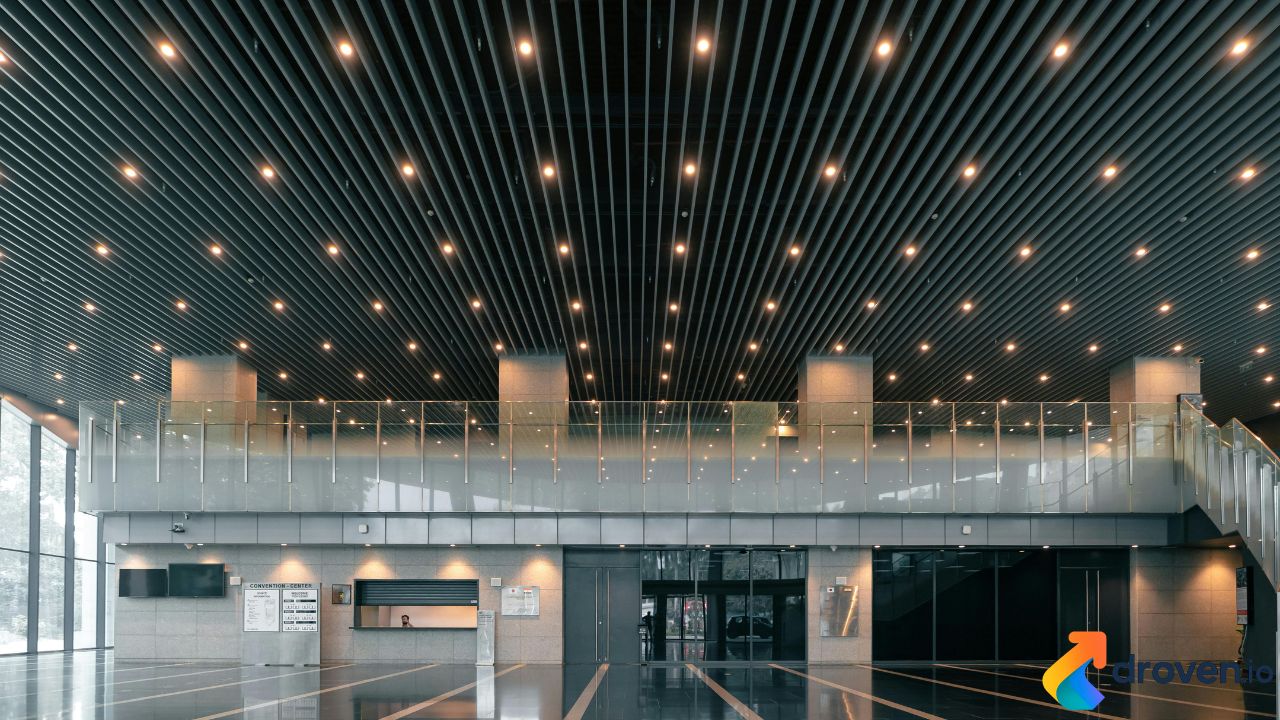
Creating a functional and visually appealing workspace is essential for modern businesses. Commercial fitouts involve designing and constructing the interior of commercial spaces to meet the operational and aesthetic needs of a business.
From office environments and retail stores to restaurants and medical clinics, commercial fitouts transform empty or outdated spaces into fully functional workplaces that support productivity and customer engagement.
What Are Commercial Fitouts?
Commercial fitouts refer to the process of customizing the interior layout and design of a commercial property. This process includes installing walls, flooring, lighting, furniture, and other features required for business operations.
Fitouts are often performed when:
- A business moves into a new space
- A company renovates its existing office
- Retail stores update their layout
- Restaurants or hospitality venues are redesigned
The goal is to create a space that aligns with the brand identity and operational requirements of the business.
Types of Commercial Fitouts
Commercial fitouts generally fall into different categories depending on the stage of development.
Shell and Core Fitout
In this stage, the basic structure of the building is completed by the developer. This includes essential elements such as:
- Structural framework
- Exterior walls and windows
- Basic building services
Businesses then customize the interior through additional fitout work.
Category A Fitout
A Category A fitout prepares a commercial space for occupancy but without customized design elements.
It typically includes:
- Raised floors
- Suspended ceilings
- Lighting systems
- Basic HVAC installation
This stage provides a functional but neutral environment.
Category B Fitout
A Category B fitout involves customizing the workspace according to the business’s specific needs.
It may include:
- Meeting rooms and partitions
- Workstations and office furniture
- Branding and interior décor
- Kitchen and breakout areas
This stage transforms the space into a fully operational business environment.
Key Elements of a Commercial Fitout
Successful commercial fitouts involve several important components that contribute to functionality and comfort.
Space Planning
Designers carefully plan layouts to maximize productivity and efficient use of space. They may also consider practical maintenance needs, including reliable commercial door repair, to keep entrances functional and accessible over time.
Lighting Systems
Proper lighting enhances employee productivity and creates welcoming environments for clients.
Furniture and Workstations
Modern office furniture supports ergonomics and efficient work processes.
Branding and Design
Interior design elements often reflect a company’s brand identity and culture.
Technology Integration
Modern workplaces incorporate technology such as video conferencing systems and smart office equipment.
Benefits of Commercial Fitouts
Investing in a professional commercial fitout offers several advantages for businesses.
Improved Productivity
Well-designed workspaces help employees work more efficiently and comfortably.
Strong Brand Identity
Interior design can reinforce a company’s brand image and values.
Better Customer Experience
Retail stores and service businesses benefit from attractive and functional layouts.
Efficient Use of Space
Professional fitouts ensure that available space is used effectively.
Commercial Fitouts for Different Industries
Many industries rely on commercial fitouts to create specialized environments.
Office Spaces
Office fitouts focus on collaboration areas, meeting rooms, and ergonomic workstations.
Retail Stores
Retail fitouts emphasize product displays, customer flow, and branding.
Hospitality Venues
Restaurants and cafés require kitchen installations, seating areas, and interior décor.
Healthcare Facilities
Medical clinics require specialized rooms, hygiene standards, and patient-friendly layouts.
Each industry requires unique design considerations.
The Commercial Fitout Process
A typical commercial fitout project follows several stages.
- Initial consultation and design planning
- Budget estimation and project planning
- Construction and installation
- Interior finishing and final adjustments
Professional project management ensures the fitout is completed on schedule and within budget.
Choosing the Right Fitout Company
Selecting an experienced commercial fitout provider is important for achieving high-quality results.
Factors to consider include:
- Experience with similar projects
- Design capabilities
- Project management expertise
- Quality of materials used
- Client reviews and portfolio
A skilled fitout team can turn design ideas into practical, functional spaces.
Future Trends in Commercial Fitouts
Modern commercial spaces are evolving to support new workplace trends.
Emerging trends include:
- Flexible and hybrid workspaces
- Sustainable building materials
- Smart office technology
- Biophilic design incorporating natural elements
These innovations help create workplaces that support both productivity and employee well-being.
Conclusion
Commercial fitouts play a critical role in transforming empty or outdated commercial spaces into functional and attractive environments. By combining thoughtful design, efficient space planning, and modern technology, businesses can create workspaces that enhance productivity, strengthen brand identity, and improve customer experiences.
With the right planning and professional expertise, commercial fitouts can significantly improve the performance and appeal of any business environment.
FAQs
What are commercial fitouts?
Commercial fitouts involve designing and constructing the interior layout of business spaces such as offices, retail stores, and restaurants.
What is the difference between Category A and Category B fitouts?
Category A provides basic interior infrastructure, while Category B customizes the space for a specific business.
How long does a commercial fitout take?
The timeline depends on the size and complexity of the project but typically ranges from several weeks to a few months.
Why are commercial fitouts important?
They create functional, comfortable, and visually appealing environments that support business operations.
Can commercial fitouts improve employee productivity?
Yes, well-designed workspaces can improve comfort, collaboration, and efficiency among employees.
