
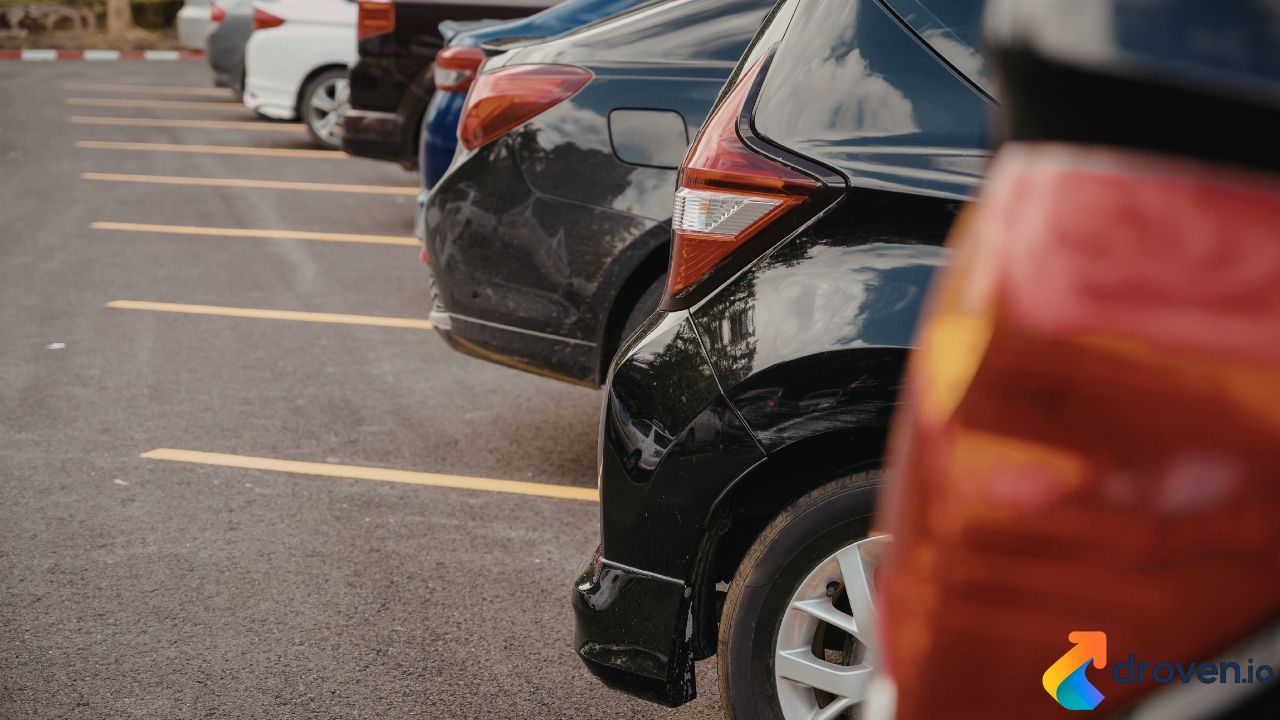
Parking lots may appear to be low-risk driving environments, but they are surprisingly common locations for vehicle accidents. Because of frequent vehicle movement, limited visibility, and pedestrian activity, accidents in parking lots occur regularly in areas such as shopping centers, office complexes, and residential buildings.
Although these accidents are often minor compared to high-speed road collisions, they can still result in property damage, injuries, and insurance claims.
Why Parking Lot Accidents Are Common
Parking lots involve many vehicles maneuvering in tight spaces while pedestrians move between cars. Drivers may also be distracted while looking for parking spaces or preparing to leave.
Several factors make parking lots particularly vulnerable to accidents:
- Limited visibility between parked vehicles
- Drivers reversing out of parking spaces
- High pedestrian traffic
- Distracted driving
- Confusing traffic flow patterns
Because vehicles frequently move slowly and unpredictably, even minor mistakes can lead to collisions.
Common Types of Parking Lot Accidents
There are several types of accidents in parking lots that occur more frequently than others.
Backing-Out Collisions
One of the most common parking lot accidents happens when two vehicles reverse out of parking spaces at the same time and collide.
Rear-End Collisions
Rear-end accidents can occur when drivers suddenly stop while waiting for a parking space or pedestrians crossing.
Vehicle-Pedestrian Accidents
Pedestrians walking through parking lots are at risk when drivers fail to notice them while backing up or turning.
Door Dings and Minor Impacts
Opening a car door into a nearby vehicle can cause dents and paint damage.
Low-Speed Side Collisions
Vehicles turning through parking aisles may collide with cars traveling through the same lane.
Who Is Responsible for Parking Lot Accidents?
Determining fault in parking lot accidents can sometimes be complicated because multiple drivers may share responsibility.
Common liability considerations include:
- Whether a driver failed to yield
- If a driver were reversing without checking the surroundings
- Whether a driver ignored the parking lot traffic signs
- If distracted driving was involved
Insurance companies often examine factors such as witness statements, vehicle damage patterns, and surveillance footage when determining fault.
Parking Lot Traffic Rules
Although parking lots are private property in many cases, drivers are still expected to follow basic traffic rules.
Important guidelines include:
- Yielding to vehicles already traveling through lanes
- Yielding to pedestrians
- Following directional arrows and signage
- Driving slowly and attentively
Following these rules helps reduce the risk of accidents.
Pedestrian Safety in Parking Lots
Pedestrians are particularly vulnerable in parking lot environments.
Safety tips for pedestrians include:
- Walking through designated pathways when available
- Staying alert for reversing vehicles
- Avoiding distractions such as mobile phone use
- Making eye contact with drivers before crossing
Both drivers and pedestrians share responsibility for safety.
Preventing Parking Lot Accidents
Drivers can reduce the risk of accidents in parking lots by adopting careful driving habits.
Helpful safety tips include:
- Driving slowly and cautiously
- Checking mirrors and blind spots before reversing
- Using backup cameras if available
- Avoiding distractions such as texting
- Watching carefully for pedestrians
Defensive driving is especially important in busy parking areas.
What to Do After a Parking Lot Accident
If an accident occurs in a parking lot, taking the correct steps can help protect all parties involved.
Recommended actions include:
- Check for injuries and ensure everyone is safe.
- Move vehicles if necessary to avoid blocking traffic.
- Exchange contact and insurance information.
- Document the scene with photos.
- Report the incident to insurance providers.
Proper documentation helps ensure a smooth claims process.
Parking Lot Design and Safety Improvements
Property owners can also help reduce the risk of accidents through thoughtful parking lot design.
Safety improvements may include:
- Clear traffic signs and markings
- Adequate lighting
- Speed bumps to reduce vehicle speed
- Designated pedestrian walkways
- Surveillance cameras
These measures help improve safety for both drivers and pedestrians.
Conclusion
Although parking lots typically involve low-speed driving, accidents in parking lots remain common due to congestion, limited visibility, and frequent vehicle movement. Understanding common causes, following traffic rules, and maintaining awareness can help reduce the risk of collisions.
By practicing careful driving and promoting safe parking lot design, both drivers and property owners can contribute to safer environments for vehicles and pedestrians.
FAQs
Are parking lot accidents common?
Yes, parking lots are frequent locations for minor vehicle collisions and property damage incidents.
Who is usually at fault in a parking lot accident?
Fault depends on the circumstances, such as failure to yield, distracted driving, or improper reversing.
Do traffic laws apply in parking lots?
Basic traffic rules such as yielding and safe driving still apply even in private parking areas.
What should you do after a parking lot accident?
Exchange information, document the scene, and report the incident to insurance providers.
How can drivers avoid parking lot accidents?
Driving slowly, checking surroundings carefully, and watching for pedestrians can significantly reduce accident risks.
