

Running a restaurant means wearing a lot of hats. One minute you’re checking inventory, the next you’re dealing with staff, suppliers, or a customer issue. Finding time for everything else isn’t always easy.
That’s one reason more restaurant owners are turning to AI. Not to replace their team, but to take care of the repetitive jobs that often get pushed aside.
The good news is that there are now AI tools built specifically for restaurants. Some help with delivery operations, others improve online ordering, while some make accounting much less of a headache.
For smaller restaurants and cafes, platforms like Menu Scan also bring digital QR menus, scan-to-order, and a built-in POS into one dashboard.
After looking at what’s available, these are three AI solutions that stand out in 2026.
1.KoreFi
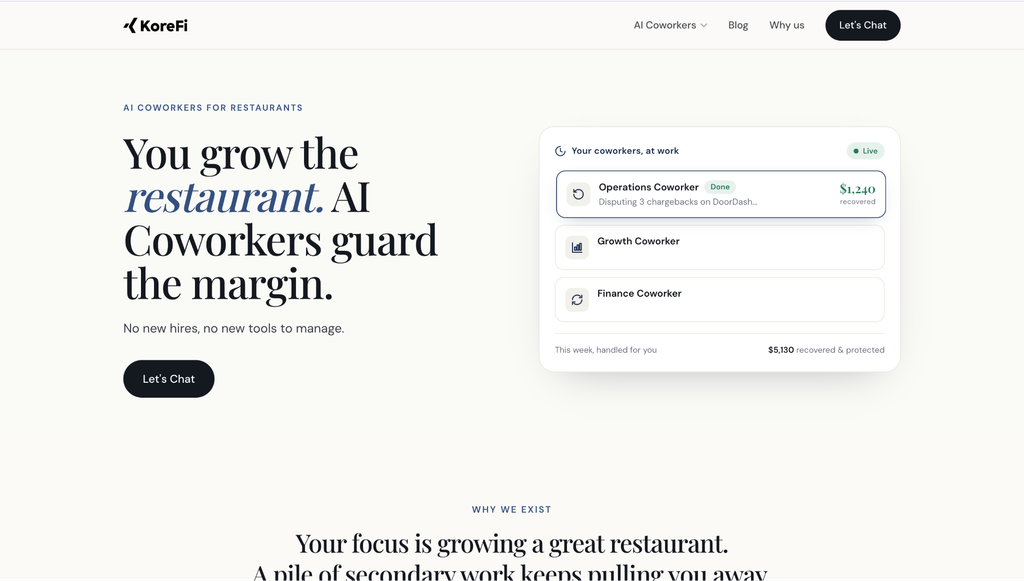
One thing we like about KoreFi is that it focuses on work that most restaurant owners already know needs doing – but rarely have time for.
Think about delivery chargebacks, checking whether your menu prices still make sense across delivery apps, or matching payouts between DoorDash, Uber Eats, your POS, and your bank account. None of these jobs are exciting, but they all have an impact on your profits.
Instead of simply showing you reports, KoreFi uses what it calls AI coworkers to actually do the work. One handles chargebacks, another looks after pricing, and another reconciles your payouts. If something needs a human decision, restaurant specialists review it before anything is finalized.
Another thing we like is that you don’t have to learn a whole new system. KoreFi connects to the tools you’re already using, works in the background, and lets you get on with running your restaurant.
What Makes KoreFi Stand Out?
- It focuses on protecting restaurant margins rather than general restaurant management.
- Its AI coworkers actually perform tasks instead of simply highlighting problems.
- Combines AI with human review for important decisions.
- Connects with existing POS systems, delivery platforms, accounting software, and bank accounts without requiring new workflows.
Things to Keep in Mind
- It’s best suited for restaurants that generate a meaningful share of revenue through third-party delivery.
- Most of its automation is focused on financial operations rather than customer-facing tasks.
- Restaurants with very little delivery business may not see the same level of value.
2.Olo
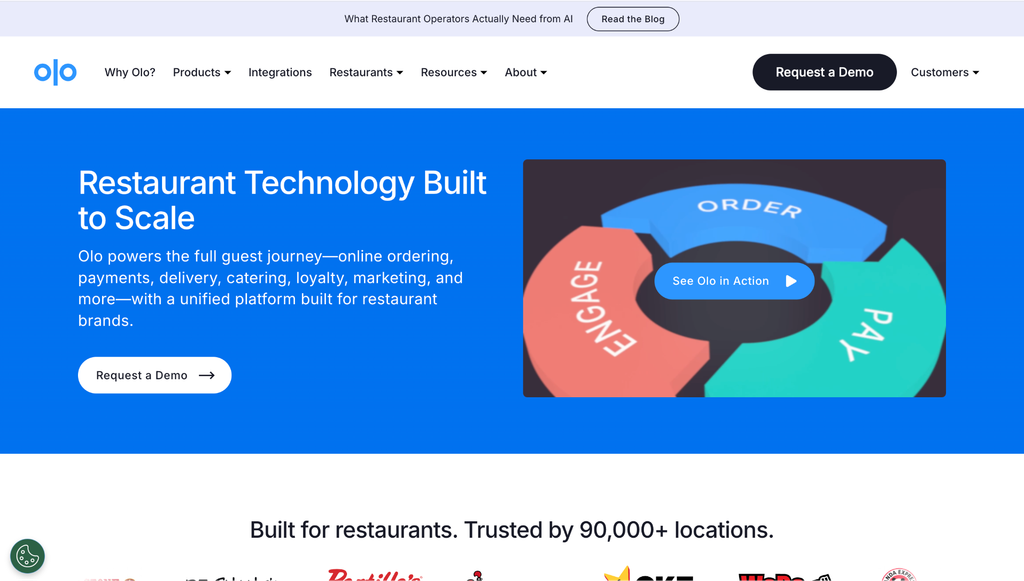
Olo takes a completely different approach.
Instead of focusing on your finances, it helps restaurants improve the way customers order food online. If you’ve ordered directly from a restaurant’s website or app, there’s a good chance Olo was working behind the scenes.
The platform brings together online ordering, delivery, payments, and guest engagement in one place. It also uses AI to help restaurants create a better ordering experience and make digital operations run more smoothly.
Olo is especially popular with larger restaurant brands, but if online ordering is a big part of your business, it’s definitely a platform worth looking at.
What Makes Olo Stand Out?
- Strong focus on digital ordering and guest experience.
- Trusted by many well-known restaurant brands.
- Large integration ecosystem that connects with many restaurant technologies.
- Helps restaurants manage online orders across multiple channels.
Things to Keep in Mind
- It’s generally a better fit for larger restaurant groups than smaller independent restaurants.
- It focuses more on ordering and guest engagement than financial workflows.
- Restaurants looking mainly for accounting or reconciliation tools may need additional software.
3.MarginEdge
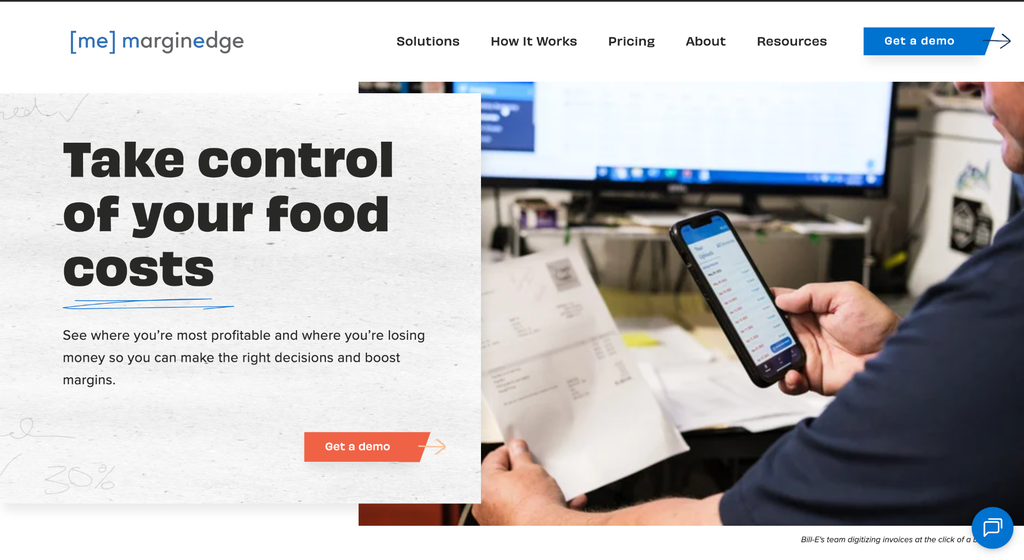
If paperwork and bookkeeping take up more time than you’d like, MarginEdge is worth a look.
Instead of focusing on customers or delivery apps, MarginEdge helps simplify the financial side of running a restaurant. It automatically captures invoices, tracks food costs, and connects with your accounting software, so you spend less time entering data by hand.
What we like about MarginEdge is that it turns a lot of the information restaurant owners already have into something that’s actually useful. Instead of waiting until the end of the month to understand how your business is performing, you get a much clearer picture of your food costs and expenses as you go.
It’s not the kind of platform customers will ever notice, but it can save managers and accountants a lot of time behind the scenes.
What Makes MarginEdge Stand Out?
- Automatically scans and processes supplier invoices.
- Makes food cost tracking much easier.
- Connects with popular restaurant POS and accounting systems.
- Gives you a clearer view of costs without hours of manual work.
Things to Keep in Mind
- It’s mainly focused on accounting and back-office operations.
- It doesn’t help with online ordering or delivery management.
- Restaurants looking for marketing or customer engagement tools will likely need another platform alongside it.
Final Thoughts
AI won’t solve every challenge that comes with running a restaurant, but it can take a lot of repetitive work off your plate.
Each of these platforms focuses on something different. KoreFi helps protect your margins, Olo improves online ordering, and MarginEdge makes managing your finances easier.
The best choice comes down to what your restaurant needs most. Pick the tool that solves your biggest challenge, and you’ll get the most value from it.
