
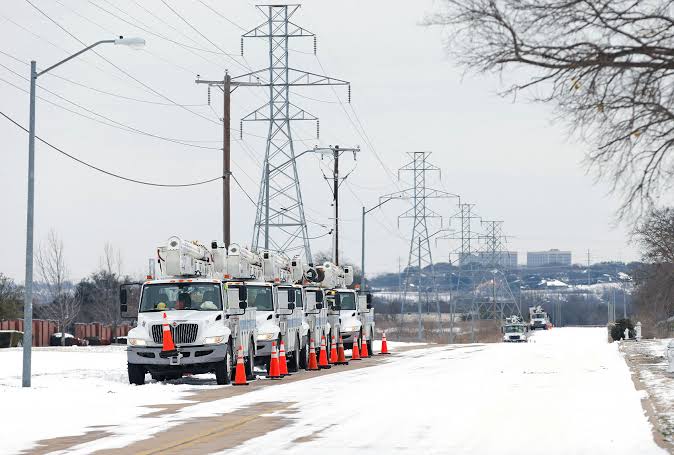
The world runs on power. The recharging of phones every night, the cooling of homes and commercial buildings by air-conditioning during the hot summer months, and the switching on of lights every evening and switching off each morning are all made possible by electricity. For years, the energy that powers modern life has been supplied by the US national power grid, a complex set of energy networks spread right across the country. Currently, however, these networks are struggling to cope with growing energy demand.
The power grid faces a growing risk of major failures, particularly as extreme weather events occur with greater regularity. Even as energy-intensive technologies have quickly become the norm, much of the energy infrastructure of the U.S. has not kept pace. Although an understanding of why our power grid is failing is key to our developing strategies for building energy reliability into the future, a discussion of the principal causes of the strain on our energy systems follows.
An Aging Infrastructure Built for a Different Era
The electrical power grid in the United States was largely designed and built in the mid-20th century to supply electricity to a growing post-war population. These systems were designed to distribute electricity from a large number of centralized power plants (coal, gas, and nuclear) to homes and businesses in a single direction along power lines.
Today, that model just doesn’t work anymore.
The physical infrastructure of the power grid includes transformers, power lines, and substations, many of which were installed over fifty years ago and are now approaching or have exceeded their designed lifespan. As these pieces of hardware continue to age, the risk of sudden and unpredictable failures increases dramatically. Although the cost of ongoing maintenance of the aging power grid continues to rise, it often does not go far enough to address underlying structural weaknesses in the aging system’s infrastructure.
How are you supposed to fix a system that was never meant to last this long?
Upgrading the grid to modernize it will require a lot of money, time, and power to go through regulatory channels. Until then, America runs on borrowed time and is subject to the whims of the electrical grid.
The Massive Surge in Energy Demand
Another major factor placing pressure on the energy infrastructure is the sheer growth in electricity demand itself.
An additional reason why the local energy grids are collapsing is the push for the entire nation to be electrified. Many people are now transitioning from normal cars to electric cars, while many households and even establishments are also changing to electric heat and other electric appliances in order to help fight direct carbon emissions.
Energy demand is also increasing exponentially to support the modern digital economy. As more people rely on cloud computing and consume content online, large amounts of power are needed to support high-performance computing centers, cloud providers, and artificial intelligence facilities. Powering these 24/7 data centers requires significant resources and complex local power networks, and keeping these massive facilities running smoothly increasingly depends on the specialized expertise that data center staffing brings to site operations.
So, where does that leave our local grids?
Battling to supply energy for domestic electrification whilst supporting the needs of local communities to meet exponentially growing power demands from huge amounts of computing facilities presents significant logistical challenges to power suppliers. These huge energy demands are far in excess of the power supplies that have been designed to manage domestic energy demands for many years.
Extreme Weather and Climate Stress
Severe weather has become more frequent and much more powerful. Long-lived heatwaves bring record peaks in electricity use as millions of air conditioners run at full capacity to cool homes, businesses, and other buildings. That surge in demand pushes more current through the grid, which causes transmission lines to sag and lets aging transformers overheat, sometimes to the point of failure. These failures tend to hit right when the grid can least afford them.
It’s a recipe for breakdown.
Unlike the localized outages of the past, many weather events now affect large geographic areas and cause widespread problems for our power grid. It is only when the lights go out that we are reminded of the problems that can occur when severe weather collides with our aging and fragile energy infrastructure. Being without power for extended periods of time can be a real problem.
Renewable Integration Challenges
To achieve sustainability, power generation is transitioning to renewable energy sources such as wind and solar power. However, these energy sources require special coordination to be integrated into the grid, as their generation is not as easily controlled as with traditional power plants.
Unlike fossil fuel power plants, the output of renewable energy systems is variable. A solar panel or wind turbine only produces electricity when the sun is shining or the wind is blowing. So during periods of high demand at night or on calm days, the output of the renewable energy systems will fall. Coordinating the output of these systems and dealing with the variability in their output on a second-by-second basis is one of the biggest challenges facing the power industry today.
Another problem is that the best resources for solar power and wind power are not near where the energy is needed. Solar and wind can be transmitted long distances with high efficiency using new high-voltage transmission lines. However, these lines require complex permitting and often run into opposition from local landowners seeking to block the lines through land use regulations. Construction of a new high-voltage transmission line can take 5-10 years or more to complete.
Incorporating renewable power into the current grid will require a great deal of advanced energy storage systems as well as improved and expanded power transmission infrastructure.
Navigating Regulatory and Financial Hurdles
Furthermore, energy infrastructure is heavily regulated on both the federal and state levels. As previously noted, the power grid is made up of numerous regional networks. Each of these is typically made up of multiple private utilities and is overseen by a series of state and federal regulatory bodies.
The approval process for a new power line crossing state lines can require approval from each individual state along the line of proposed transmission. Different entities with different interests, i.e., priority, capital, and politics, can create large delays. Some transmission projects have been delayed 10+ years while going through the various approval processes necessary to get a new power line built.
And then there’s the cost.
However, it remains uncertain whether the funds will come from the utility companies themselves, taxpayers, or from consumers’ bills. Estimates for what it will cost to modernize the American power grid over the next few decades vary widely, from roughly $1 trillion to as much as $5 trillion depending on how much of the aging system needs replacing versus upgrading, but every serious estimate lands well past the hundreds of billions once maintenance, storage and new transmission are all counted.
Building a Resilient Energy Future
The energy we need to update the grid and make it more reliable and efficient is not easy to find.
Innovative “smart” grid technologies, including advanced sensors, high levels of automation, and real-time monitoring, are critical to improve the operation of the existing power grid. In addition to enabling utilities to more quickly respond and react to power disruptions and respond to emergencies, smart grid systems will also enable real-time optimization of power distribution to better serve customers. Large-scale energy storage, such as battery systems installed at utility scale, will also be critical to stabilize the power grid by capturing excess energy released by distributed resources such as solar during periods of high generation and utilizing that energy to meet peak demand.
Streamlining all regulatory requirements, including approval of new interregional transmission lines needed to distribute clean energy to distant markets, will be crucial to energy delivery during an emergency and facilitate the needed acceleration of deployment of clean energy technologies to meet future demands.
Will we be able to adapt quickly enough to meet these challenges?
Updating the power grid is a massive, multi-industry challenge that will require huge sums of money. The urgency is real: the faster and more efficiently these problems get addressed, the better positioned the country will be to handle future power needs.
