
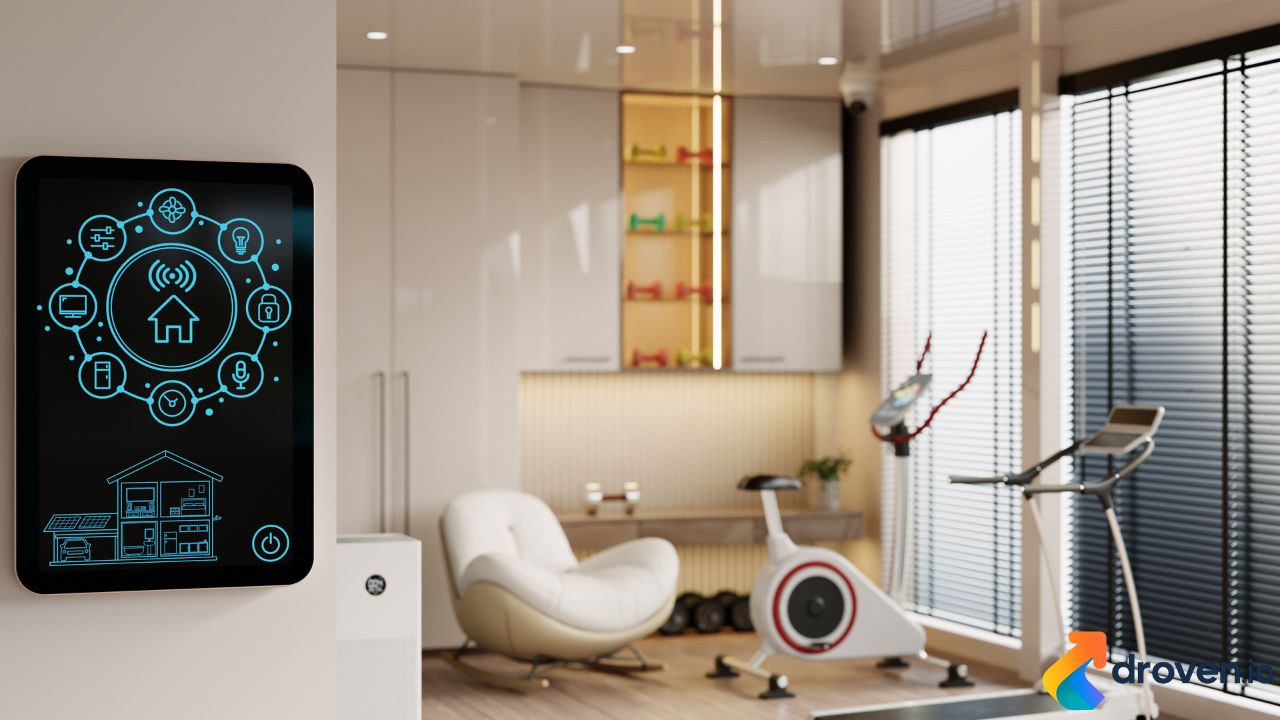
Advancements in technology have made it easier than ever to control and automate household functions. A smart home uses connected devices and systems that allow homeowners to manage lighting, security, temperature, and appliances through smartphones, voice commands, or automated settings.
Smart home technology has grown rapidly in popularity because it improves convenience, energy efficiency, and overall home security.
What Is a Smart Home?
A smart home refers to a residence equipped with devices that can be controlled remotely or automatically through internet-connected systems. These devices communicate with each other through wireless networks and central control platforms.
Smart home systems often allow users to:
- Control devices remotely through mobile apps
- Automate daily routines
- Monitor home security and energy usage
- Use voice commands through virtual assistants
This connectivity helps homeowners manage their living environment more efficiently.
How Smart Home Technology Works
Smart home devices connect through the internet using technologies such as Wi-Fi, Bluetooth, or specialized home automation protocols. These devices communicate with a central hub or cloud-based system that allows users to control them from a single platform.
Typical components of a smart home system include:
- Smart devices (lights, locks, thermostats, etc.)
- A home network connection
- A mobile app or smart hub
- Voice assistants such as smart speakers
Once connected, devices can operate independently or as part of automated routines.
Popular Smart Home Devices
Many different devices can be integrated into a smart home system.
Smart Lighting
Smart lighting systems allow homeowners to control brightness, color, and schedules through mobile apps or voice commands.
Benefits include:
- Energy savings
- Automated lighting schedules
- Remote control from anywhere
Smart Thermostats
Smart thermostats learn household temperature preferences and automatically adjust heating and cooling to improve comfort and energy efficiency.
These devices help reduce energy consumption and lower utility bills.
Smart Security Systems
Security is one of the most popular uses for smart home technology.
Common smart security devices include:
- Video doorbells
- Smart locks
- Security cameras
- Motion sensors
These devices allow homeowners to monitor their property in real time.
Smart Appliances
Many modern appliances now include smart features.
Examples include:
- Smart refrigerators
- Smart ovens
- Robot vacuum cleaners
- Connected washing machines
These appliances can often be controlled remotely or programmed to operate automatically.
Benefits of Smart Homes
Smart homes offer several advantages for homeowners.
Convenience
Automation allows everyday tasks such as adjusting lights or locking doors to be performed automatically or remotely.
Energy Efficiency
Smart devices help manage electricity usage by turning off unused devices or optimizing heating and cooling systems.
Enhanced Security
Connected security systems provide real-time monitoring and alerts.
Improved Comfort
Smart home systems allow homeowners to customize lighting, temperature, and entertainment settings according to personal preferences.
Smart Home Automation
Automation is a key feature of smart homes. Devices can be programmed to work together in routines.
Examples include:
- Lights turning on when someone enters a room
- Thermostats adjusting temperature automatically at night
- Doors locking automatically when leaving the house
These automated routines simplify everyday living.
Voice Control and Virtual Assistants
Many smart homes use voice assistants to control devices.
Popular platforms include:
- Amazon Alexa
- Google Assistant
- Apple Siri
Voice commands allow users to control lights, music, appliances, and security systems hands-free.
Security and Privacy Considerations
While smart homes offer many advantages, security is an important consideration.
Homeowners should follow best practices such as:
- Using strong passwords
- Keeping devices updated
- Securing home networks
- Choosing trusted brands
These steps help protect connected devices from potential cyber threats.
The Future of Smart Homes
Smart home technology continues to evolve with advances in artificial intelligence, machine learning, and connected devices.
Future developments may include:
- More advanced home automation
- AI-driven home management systems
- Increased energy efficiency solutions
- Improved integration between devices
These innovations will continue to shape the future of modern living.
Conclusion
A smart home combines technology and automation to create a more convenient, efficient, and secure living environment. By connecting devices such as lighting, security systems, thermostats, and appliances, homeowners can manage their homes more effectively.
As technology continues to improve, smart homes are expected to become even more advanced and widely adopted in modern households.
FAQs
What is a smart home?
A smart home is a residence equipped with internet-connected devices that can be controlled remotely or automatically.
What devices are commonly used in smart homes?
Common devices include smart lights, thermostats, security cameras, door locks, and connected appliances.
Are smart homes secure?
They can be secure when proper cybersecurity practices such as strong passwords and software updates are followed.
Do smart homes save energy?
Yes, many smart devices help reduce energy usage by optimizing lighting and heating systems.
Can smart homes be controlled with voice commands?
Yes, many systems integrate with voice assistants like Alexa, Google Assistant, or Siri.
