
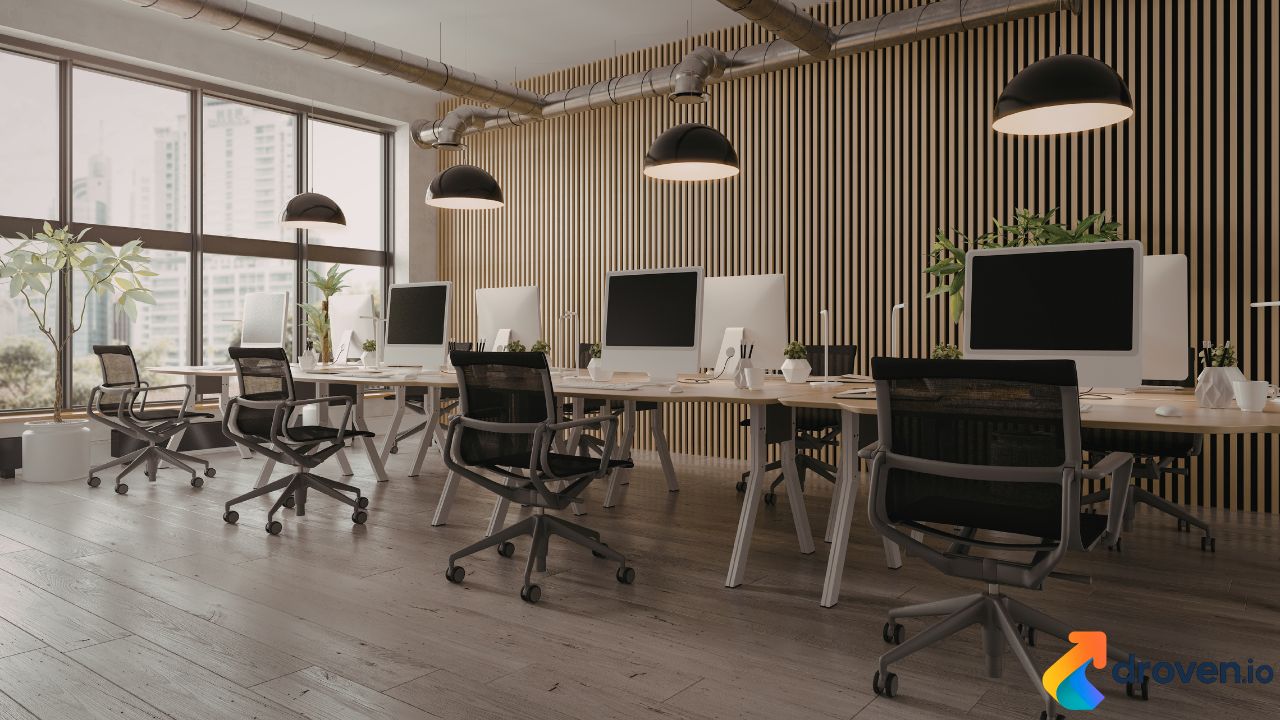
Lighting plays a critical role in shaping the atmosphere and functionality of a room. Understanding how to design track lighting allows homeowners and designers to create flexible lighting systems that highlight specific areas while maintaining a clean, modern look.
Track lighting consists of multiple light fixtures mounted on a continuous track, allowing lights to be repositioned and directed as needed. This flexibility makes track lighting ideal for both residential and commercial environments.
What Is Track Lighting?
Track lighting is a lighting system where individual fixtures are attached to a mounted track that contains electrical conductors. The fixtures can be moved along the track and adjusted to direct light toward specific areas.
Track lighting systems typically include:
- A ceiling-mounted track
- Adjustable light heads
- Electrical connectors
- Compatible light bulbs
This design allows users to customize lighting placement without extensive rewiring.
Benefits of Track Lighting
Understanding the advantages of track lighting helps explain why it is widely used in modern interior design.
Flexible Lighting Direction
Each light fixture can be adjusted to illuminate different areas, such as artwork, countertops, or seating areas.
Modern Aesthetic
Track lighting has a sleek, contemporary appearance that fits well in modern homes and offices.
Easy Installation
Compared with complex lighting systems, track lighting is relatively simple to install.
Versatile Applications
Track lighting can be used in kitchens, living rooms, galleries, retail spaces, and offices.
Step 1: Identify the Purpose of the Lighting
The first step in learning how to design track lighting is determining its purpose.
Lighting typically serves one of three functions:
- Ambient lighting: general room illumination
- Task lighting: focused light for activities such as cooking or reading
- Accent lighting: highlighting artwork or architectural features
Track lighting is often used for task and accent lighting.
Step 2: Choose the Right Track Configuration
Track lighting systems come in several configurations.
Straight Track
Straight tracks are ideal for hallways, kitchens, or narrow spaces.
L-Shaped Track
This layout works well in corners or larger rooms where lighting must cover two directions.
U-Shaped Track
U-shaped tracks are used in large spaces where lighting needs to surround a specific area.
Flexible Track
Flexible tracks can be curved to match unique architectural layouts.
Step 3: Select the Appropriate Fixtures
Track lighting heads come in several styles.
Common options include:
- Spotlights: focused beams for highlighting objects
- Floodlights: broader light coverage for general illumination
- Pendant fixtures: decorative lights hanging from the track
Choosing the right fixtures depends on the room’s purpose and design style.
Step 4: Plan Light Placement
Proper placement is essential when designing track lighting.
Consider these guidelines:
- Position lights about 2 to 3 feet apart for balanced illumination
- Aim accent lights toward artwork or focal points
- Direct task lighting toward work areas, such as kitchen counters
Adjustable heads make it easy to fine-tune the lighting direction.
Step 5: Choose the Right Bulbs
Bulb selection affects brightness, color temperature, and energy efficiency.
Common options include:
- LED bulbs: energy-efficient and long-lasting
- Warm white bulbs: create a cozy atmosphere
- Cool white bulbs: ideal for task lighting
LED lighting is the most popular choice for modern track lighting systems.
Step 6: Consider Ceiling Height and Room Size
Room dimensions influence how track lighting should be installed.
For example:
- Higher ceilings may require stronger or more focused lights
- Smaller rooms benefit from fewer fixtures to avoid excessive brightness
- Large open spaces may require multiple track systems
Proper planning ensures balanced lighting throughout the space.
Track Lighting Design Ideas
Here are some creative ways to use track lighting effectively.
Highlight Artwork
Track lights can be aimed directly at paintings or decorative wall features.
Illuminate Kitchen Workspaces
In kitchens, track lighting is often used to light countertops, islands, and cooking areas.
Enhance Living Room Ambiance
Adjustable lights can highlight furniture arrangements or architectural details.
Retail Display Lighting
Many retail stores use track lighting to emphasize products and displays.
Common Track Lighting Mistakes to Avoid
When learning how to design track lighting, avoid these common mistakes:
- Installing too many fixtures in small spaces
- Using bulbs that are too bright or too dim
- Ignoring focal points that should be highlighted
- Poor spacing between lights
Proper planning prevents uneven lighting or glare.
Conclusion
Understanding how to design track lighting allows homeowners and designers to create flexible, stylish lighting solutions that enhance both functionality and aesthetics. With adjustable fixtures, customizable layouts, and modern design options, track lighting can be adapted to suit many types of interior spaces.
By carefully selecting track configurations, fixtures, and placement, you can create a lighting system that improves both the appearance and usability of your home.
FAQs
What is track lighting used for?
Track lighting is commonly used for accent lighting, task lighting, and highlighting artwork or architectural features.
Is track lighting suitable for kitchens?
Yes, track lighting is often used in kitchens to illuminate countertops and work areas.
How far apart should track lights be placed?
Lights are typically spaced about 2–3 feet apart, depending on brightness and room size.
Are LED bulbs recommended for track lighting?
Yes, LED bulbs are energy-efficient, long-lasting, and widely used in track lighting systems.
Can track lighting be installed on sloped ceilings?
Yes, many track lighting systems are designed to work on angled or sloped ceilings.
